movies
Review Of 2014: The Top 25 Performances Of 2014
We have arrived at the breakdown of actors and actresses in my review of the year, and this year more than ever there seem to be great performances on this list that have been in the service of less than stellar films. When you look at the big award nominations, the acting awards and the best picture nominations aren’t normally too far removed from each other, but in my list this year at most fifteen of these performances will be in films that feature in the final top 40.
Of course, there’s no reason why good actors shouldn’t appear in average, or even bad, films but in most cases on this list it’s the actors being let down by their scripts. I can’t think of many instances of great scripts being played out by bad actors, so clearly it’s easier to get your film funded with a decent name or two attached than it is to get the script right first. There isn’t as much talk as there used to be about actors’ salaries these days, but few of the names on this list will be commanding top dollar anyway (although two at almost opposite ends of the list will be in Star Wars next year – what odds one of them reappearing for that in twelve months?).
Anyway, usual rules apply: all lengths of performance are considered equally and there is no distinction between actor and actress here. For the record, I have 14 men and 11 women on this year’s list, but in the top 10 it’s 6-4 the other way. And only one person per film; there are two or three instances where this rule has excluded great efforts, but I will endeavour to give them an honourable mention as I go. So here’s my fourth annual list of my favourite 25 performances of the year. In the end I couldn’t pick between Leo and Matthew in The Wolf Of Wall Street, but if this list ran to 26 one of them would probably have been on it. Them’s the breaks.
25. Oscar Isaac – Inside Llewyn Davis

Part of what I love about Oscar Isaac is his chameleon-like ability to blend in completely with his surroundings. I wonder how many people would associate him with his role in Drive having seen this? He’s also shown his versatility in The Two Faces Of January in 2014, proving that he’s got charm to spare, but exasperation was his best mood this year. Not only does he fit in perfectly with the ranks of other downtrodden Coen leads, but his musical skills are also brought beautifully to the fore. Someone get this man a moody musical.
24. Uma Thurman – Nymphomaniac, Part 1

She may be on screen for only a few minutes, but Uma Thurman is the best thing in Lars Von Trier’s patience tester (although at least this was one four hour epic we got an interval in this year). I’m sure there’s some wish fulfilment of some embittered soul somewhere in that performance, but Thurman lights up the screen in a thoroughly entertaining cameo. Also, I don’t have awards for least best acting, but if I did a strong contender would be someone in this film whose name rhymes with Friar LeSmurf.
23. Haluk Bilginer – Winter Sleep
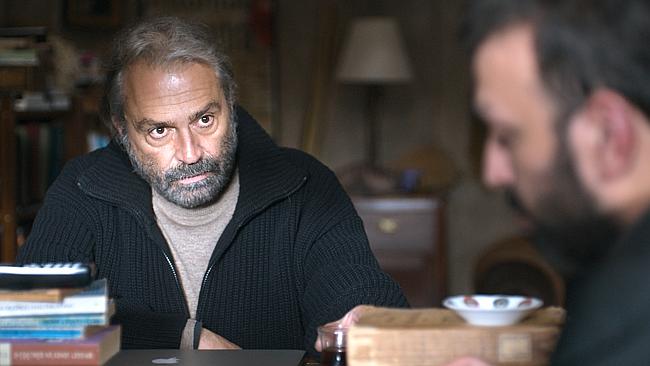
By contrast, this three hour and ten minute latest from Turkish director Nuri Bilge Ceylan is intermission free, and consists greatly of people talking calmly to each other in dark rooms. You need someone who’s going to keep your attention for that to work, and Bilginer’s sheer magnetism does just that, even allowing for his world-weariness that lays over the top. A mention must also go to his on-screen wife Melisa Sözen who has a couple of very powerful scenes in the last half hour.
22. Jennifer Lawrence – The Hunger Games: Mockingjay, Part 1

To think that there were the usual silly doubts when the Hunger Games franchise began that Jennifer Lawrence wasn’t right for Katniss; too old, dyeing her hair, wrong star sign, that sort of thing. While the casting is generally stellar this just wouldn’t have worked as a franchise without Lawrence, and to her credit she’s given the same level of committed performance in both her blockbuster roles this year that she has to her more serious endeavours. It’s great to see someone who, in behind the scenes footage, clearly has such a love for her craft and that passion is on screen for all to see.
21. Brendan Gleeson – Calvary
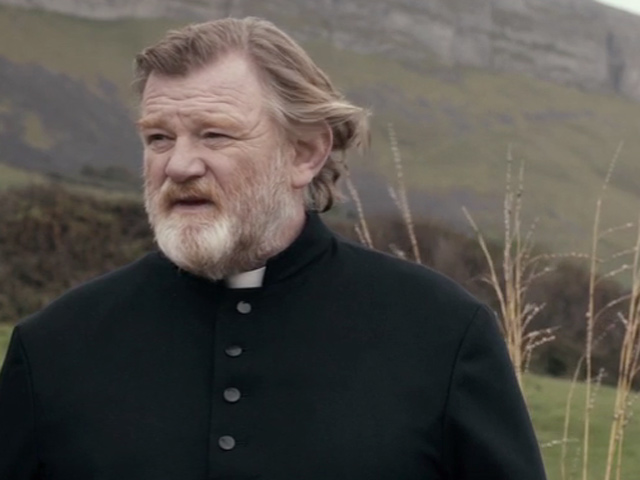
Gleeson has now teamed up twice with John Michael McDonogh and the results have been great both times. While Brendan Gleeson was sardonic and dismissive in The Guard, here he’s required to give a different level of performance and in both films Gleeson’s performance has crucially underpinned the overall tone. McDonogh isn’t afraid to deal with weighty themes and what humour there is happens to be dry as a bone and black as a starless night but, for all his sins and those of his church, you still find yourself rooting for this non-stereotypical priest. It would be remiss of me not to mention Kelly Reilly as his daughter who’s also putting in a performance as good as anything she’s done.
20. Pierre Deladonchamps – Stranger By The Lake
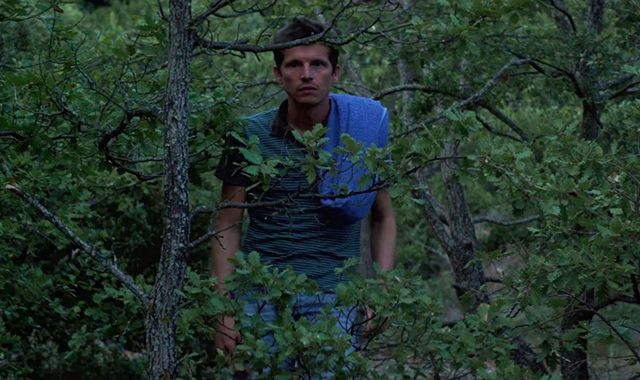
I could make cheap jokes about Deladonchamps’ performance being stripped bare – and if you want cheap jokes, you’ve normally come to the right place – but Stranger By The Lake pulls off the difficult balancing act of being both a taut Hitckcockian thriller and an honest assessment of male frailty and psychology. Leave your modesty at the door and you’ll be firmly gripped (stop it) by a performance which is one of the most unhindered of the year, regardless of the state of dress of many of the participants.
19. Jack O’Connell – Starred Up

It’s been a great year for Jack O’Connell but his best role may also have been his first, the British prison drama which skipped around the clichés to feel fresh and relevant. O’Connell has a set of facial expressions well suited to defiance and a demeanour to match, but he’s shown in all of his performances this year that he can do subtle in spades and his fractious relationship with estranged father Ben Mendelssohn gives both actors plenty to work with. With two Hollywood roles under his belt this year already, expect O’Connell to be a star of the future.
18. Ethan Hawke – Boyhood

It’s difficult to pick a winner from the performance stakes in Boyhood, but possibly thanks to his experience in the Before trilogy it was Ethan Hawke that most caught my eye. Over the twelve year span of the film his character goes through as much of an evolution as anyone, from cocksure and unreliable to steady and dependable, but he does so in believable steps; that can have been no easy feat considering the nature of the filming process. The four leads are all great, so apologies to Ellar Coltrane, Lorelei Linklater and especially Patricia Arquette that I only pick one performance per film.
17. Berenice Bejo – The Past
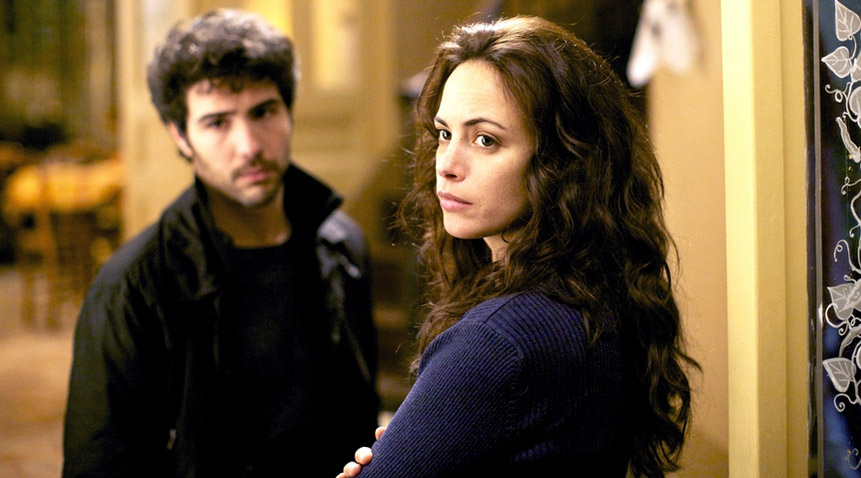
I’ve become a real fan of Asghar Farhadi’s work over the past few years, and while The Past didn’t quite hit the heights of A Separation or About Elly, it wasn’t far off at all. This was the first time he’s worked with such an international cast but this felt comfortably and with deep familiarity a Farhadi film, and Bejo proved that she’s not just a silent face with a performance the polar opposite of her appearance in The Artist. For some reason this film seemed to slip below the awards radar, but Bejo’s performance is up there with anything in Farhadi’s back catalogue.
16. Juliette Binoche – Camille Claudel 1915

I struggled greatly with parts of this biopic of the troubled artist, but that shouldn’t take away from Juliette Binoche’s work as the titular artist. Many of my problems with the film relate to later stretches when the film becomes dry and airless while searching for resolution, but coincidentally this is also when Binoche happens to be off screen. It would be easy to overdo the theatricality of a role dealing with mental illness, but to Binoche’s great credit she’s far more astute than that. A shame, then, that the film isn’t quite the equal of what she brings to it.
15. Bill Murray – St. Vincent
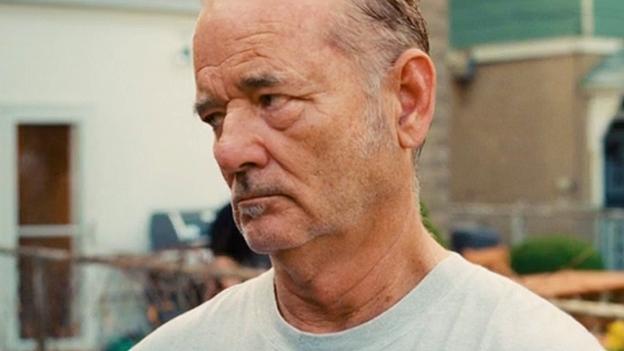
The biggest problem with St. Vincent as a film is that it doesn’t have any gear shifts: it has a consistent, level tone despite the extreme ups and downs endured by its characters when it would be better suited with an ability to swing more closely to the comedic and dramatic aspects of its script. That’s highlighted in Bill Murray’s performance, which defines irascible but also asks a lot of Murray with a huge back story and physical afflictions as the story progresses. It’s nice to see Melissa McCarthy dialling back her performance to something simple and honest, but everyone else is in Bill Murray’s shadow here.
14. Tom Hardy – Locke
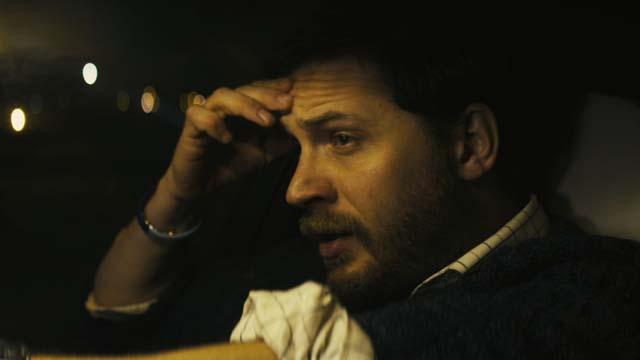
While there was a certain amount of fun from playing guess the phone voice (I’d repeatedly convinced myself that Andrew Scott was actually Chris O’Dowd), Steven Knight’s film is little more than a conceit which doesn’t necessarily serve Tom Hardy’s performance as well as it might. I’m also prepared to overlook the fact that I wasn’t 100% sold by Hardy’s accent, which is generally reliable but no more, in light of how much emotion he generates with so little acting backlift. He was also the best thing in Dennis Lehane scripted drama The Drop later in the year, mildly memorable for being James Gandolfini’s last film.
13. Gugu Mbatha-Raw – Belle
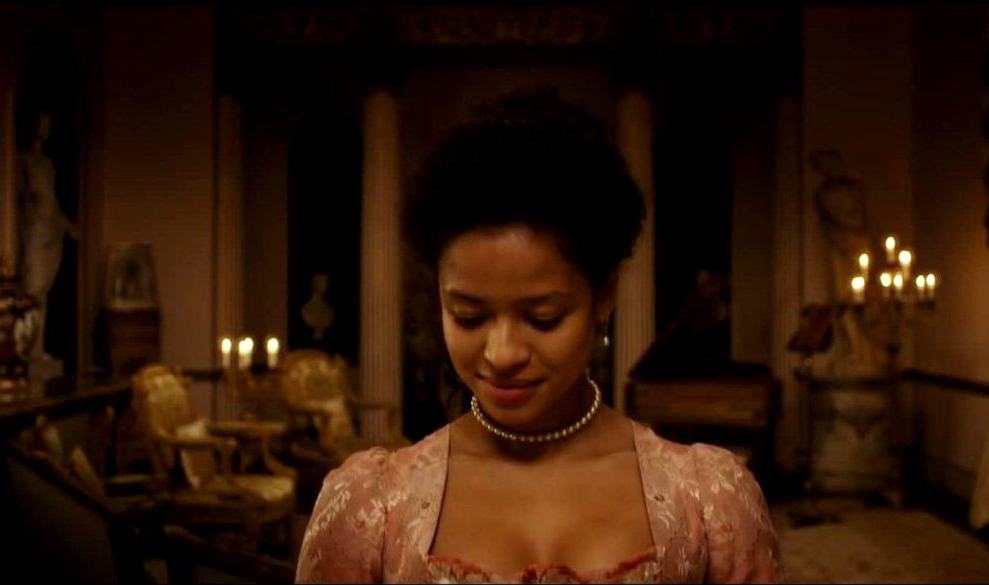
I got into a debate on Bums On Seats, the community radio show I lend my voice to, about the merits of Belle; I turned out to be the lone positive voice. I’m not going to claim that it was a masterpiece but I stand by its merits, and one of its many was the performance of relative newcomer Gugu Mbatha-Raw (hitherto known only to me as Martha’s sister Tish from the third modern season of Doctor Who). There’s plenty of solid support around but Mbatha-Raw carries the dramatic weight of the film and deftly handles both period romance and the film’s dalliances with weightier issues.
12. Benedict Cumberbatch – The Imitation Game
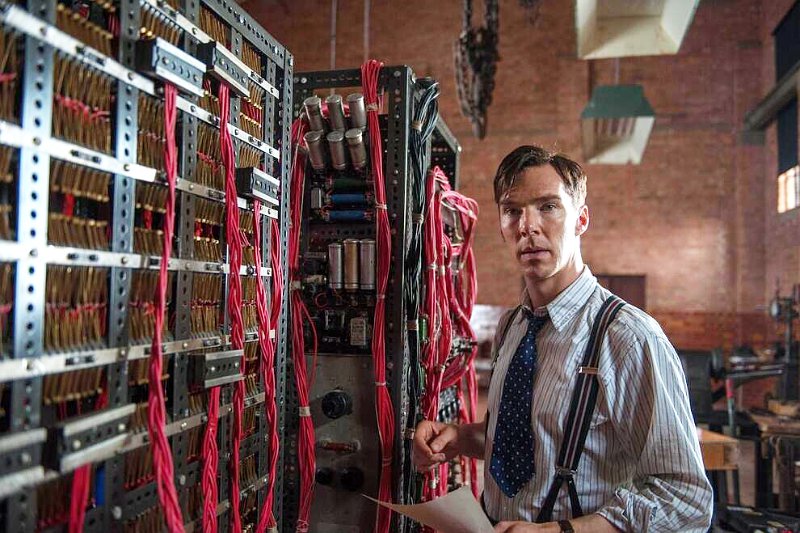
I think that The Imitation Game as a film has a lot of problems, but the acting isn’t one of them. The likes of Mark Strong and Charles Dance do what Mark Strong and Charles Dance generally do best, but the stand-outs are Keira Knightley – even if she is saddled with the poshest accent in acting history – and Benedict Cumberbatch. The man with the most mocked name in showbusiness puts yet another spin on his collection of damaged geniuses and without him, the film would have been a hollow shell. I just hope he manages to get the right balance of Hollywood and Britain moving forward, as both Star Trek and Marvel have already got their claws into him for big franchise roles.
11. Ralph Fiennes – The Grand Budapest Hotel
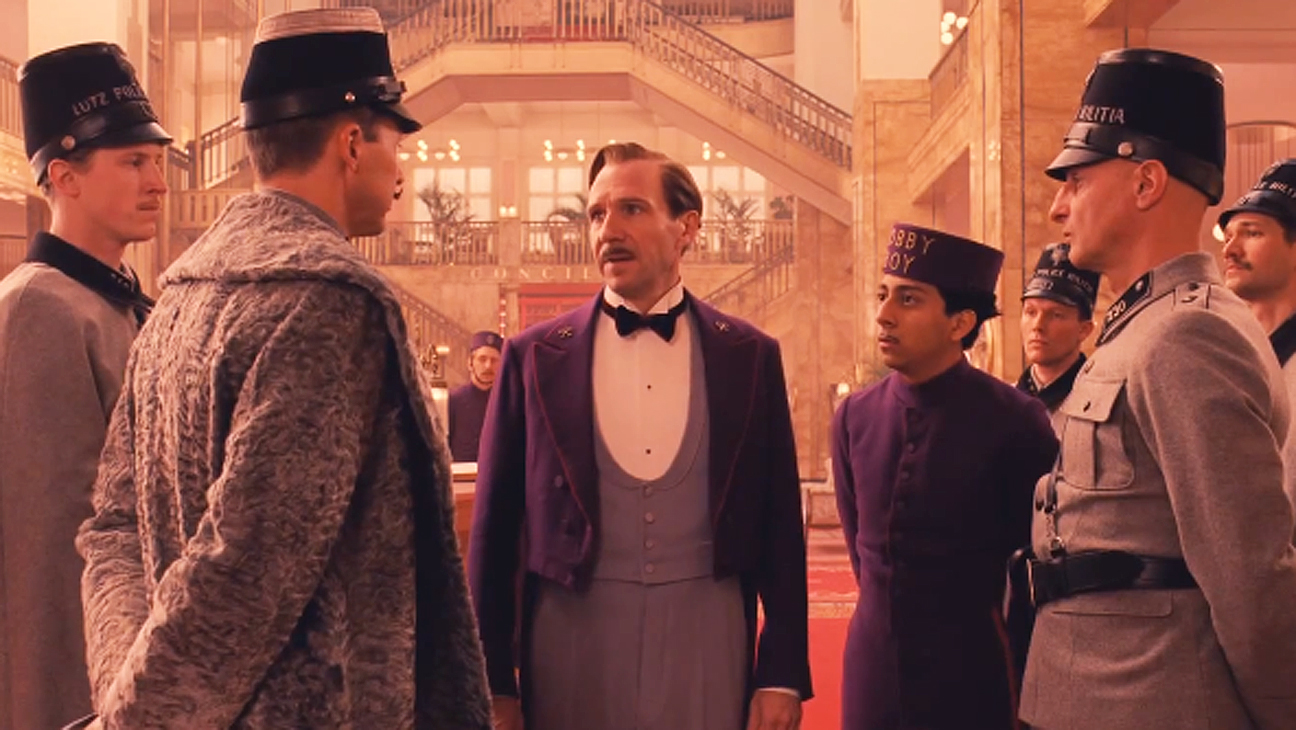
Seriously, why did no one think to put Ralph Fiennes and Wes Anderson together earlier? Delivering some of the most delicious dialogue from any script this year, Fiennes spews out quotable lines with effortless elegance but his performance ranges through a variety of emotions. Ipswich’s finest export since Cardinal Wolsey has been meticulous and sharply calibrated in both his acting and directing for two decades, but he’s achieved most of his best work in dramatic roles. In Bruges might be the closest he’s come to anything like this before, and that’s still a mile off (and no-one who’s ever seen him opposite Uma Thurman in The Avengers will ever forget his discomfort), but he was such a total fit for the Anderson universe that we can but pray it’s not their only collaboration.
10. Rosamund Pike – Gone Girl

There’s a myth about the curse of the Bond girl, when in reality for every woman who’s proven herself as a love interest opposite Bond but then gone onto anonymity there’s just as many for whom it’s been but a footnote on an impressive CV. Evidence would suggest Rosamund Pike is likely to fall into the latter category, but her role in Pierce Brosnan’s swansong may have come slightly too early in her career; she’s matured in smaller roles in the likes of Made In Dagenham and The World’s End, but I suspect her role as the object of Ben Affleck’s attention in David Fincher’s trashy delight will one day be seen as career defining. Somehow, despite being cast in a role where she’s consigned to flashbacks before the main narrative has even started, she walks in and waltzes off with the whole film.
9. Ben Whishaw – Lilting

Lilting is very much a film of actors and performances rather than strong direction, but I have a lot of time for any film prepared to cast Peter Bowles. Ben Whishaw has been quietly going around his business for a few years now, and having impressed greatly in Cloud Atlas and nabbed a role to pay the bills for a few years yet as Bond’s new Q he’s now started to find leading roles that show off his talents. Here he played the troubled man attempting to dealing with the grieving mother of his deceased parter beautifully, an understated role that still demanded Whishaw to have a lot going on just beneath the surface. He capped a good year with a voice turn as a positively perfect Paddington.
8. Kristen Wiig – The Skeleton Twins
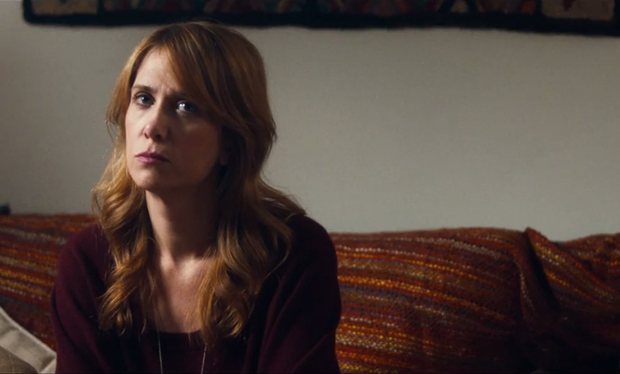
Here’s a trivia question for your next film quiz: what connects Morwenna Banks, Joan Cusack, Robert Downey Jr., Jimmy Fallon, Christopher Guest, Randy Quaid, Chris Rock and Pamela Stevenson? They’re all alumni of the American comedy institution Saturday Night Live, and while you might at first think of the likes of Dan Ackroyd, Chevy Chase, Bill Murray or Eddie Murphy when you think of SNL, the latest generation are showing they are equally adept at both comedy and drama. The former SNL pairing of Wiig and Bill Hader are by turns heartbreaking and charismatic here, but it’s Wiig as the sister who seems stuck in a cycle of perpetually making poor life choices that makes the greatest impression.
7. Marion Cotillard – Two Days, One Night

I’ve seen two Dardennes brothers films now and for some reason neither has quite gelled with me in the way they seem to have taken others. For reasons I can’t quite pinpoint, I find myself drawn to the deficiencies in their social realism, rather than being taken in by the performances and storytelling. Nonetheless, former Movie Evangelist Performance Of The Year winner and current Movie Evangelist ideal woman Marion Cotillard defies both any shortcomings in Two Days, One Night’s script and also rises above my slightly awkward attempts at stalkerish flattery with yet another winning performance that the rest of the film is constructed around.
6. Jake Gyllenhaal – Nightcrawler
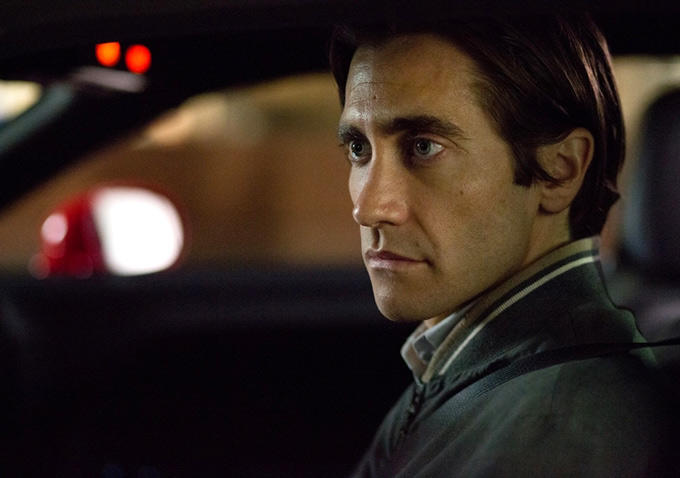
I have a lot of time for Jake Gyllenhaal, ever since he, Dennis Quaid and Emmy Rossum made The Day After Tomorrow far more watchable than it had any right to be. Why someone who has Donnie Darko, Zodiac, Source Code, Prisoners and Brokeback Mountain on his CV isn’t thought of as one of the best actors of his generation continues to mystify me, but with a mesmeric performance as the manipulative, greasy Leo Bloom Gyllenhaal is getting due attention for the first time since his partnership with Heath Ledger all those years ago. While he was slightly overshadowed even then, here Gyllenhaal dominates ever scene he’s in, which I think is just about all of them.
5. Joaquim Phoenix – Her
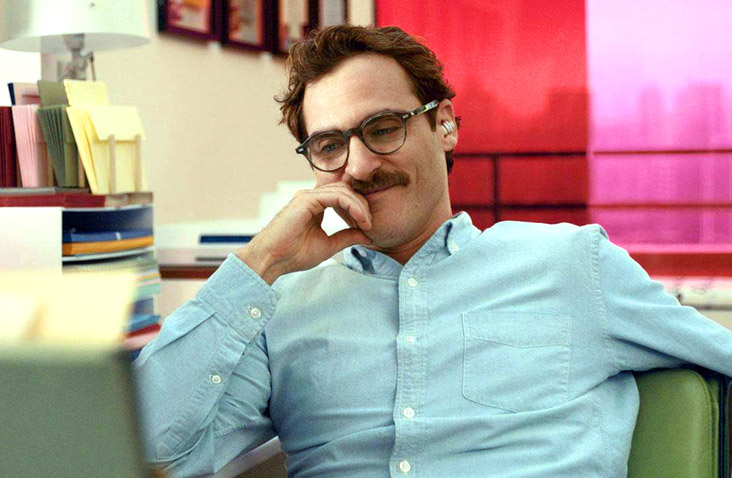
I have a strange and unhealthy fascination with Space Camp, the Eighties Space Shuttle film that’s a reductive mix of Apollo 13 and The Goonies which features a young Phoenix alongside Steven Spielberg’s wife and Marty McFly’s mum. It’s as an adult that the former Leaf Phoenix has impressed, from Gladiator through Walk The Line to The Master, yet in Her it’s ironically a childlike innocence that makes his performance so heartfelt and convincing. Never for one moment do we as an audience doubt or question his commitment to Scarlett Johansson’s AI, all the more impressive an achievement given that Johansson recorded her performance after the fact (it was Samantha Morton on set playing opposite Phoenix). I’m already looking forward to Phoenix’s reunion with Paul Thomas Anderson next month in Inherent Vice.
4. Essie Davis – The Babadook

The only woman who ever made a name for herself in a horror movie might have been Linda Blair. The director who drew out her most famous performance then this year rated The Babadook as the most terrifying film he’d ever seen, and that’s due large part to the anchoring performance given by Essie Davis in the lead role. Selling both the concept and her own gradual mental disintegration, Davis is as key to the success of The Babadook’s icy grip as the reedy-voiced monster. Up to now, the biggest credit Davis had received was probably in the two dire Matrix sequels, but hopefully her performance here will be a stepping stone to more lead roles.
3. Scarlett Johansson – Under The Skin

Easy to play an emotionless alien struggling to come to terms with the human condition? I’m sorry, I’ll have none of that. The contrast in the opening scenes where we see the original form taken over by Johansson show the contrast clearly, and I’ve been saving up the word fearless for this point in the countdown as Scarlett commits herself to the role with gusto. That’s even before that you consider she was actually out in a wig, cruising the streets of Glasgow with an impeccable English accent, and Under The Skin wouldn’t be featuring at the top of quite so many end of year lists without her. I’ve not always been a fan of Scarlett – The Prestige was my favourite film of the Noughties despite her rather than because of her – but consider me a convert off the back of this.
2. Lupita Nyong’o – 12 Years A Slave

If you’re looking to hand out acting recognition for Steve McQueen’s devastating Best Picture winner, it’s difficult to know where to really start. But you should finish either with Michael Fassbender’s horrific plantation owner, Chiwetel Ejiofor’s dignified slave enduring a sort of reverse emancipation or Lupita Nyong’o’s gut-wrenching performance that earned her an Oscar, a job in Star Wars and a role as the Face Of Lancôme. In researching this list I watched two brief, thirty second clips of this Mexican-Kenyan actress’ performance and I was nearly in tears again, almost a full year after having last seen the film in full. I’m planning to watch the film again at some point this week, so will be off to bulk buy soft tissues shortly after completing this post.
1. Timothy Spall – Mr. Turner

But there was one performance this year that edged out all the others, a performance that bore the weight beautifully of the two and a half hour film constructed around it and one which will define the image of one of our nation’s greatest painters in the mind of a generation. I would absolutely love it if the award Spall picked up for this at Cannes turned out not to be the biggest prize that he’ll store in his trophy cabinet for this performance, but whatever the outcome of awards season Spall grabbed his chance in the limelight with both hands and created a character that felt as truly human as anyone we’ve seen on screen this year.
His Turner isn’t a misunderstood genius, merely an honest, humble man with an exceptional talent and an intolerance for family. Spall has long been a staple of both Mike Leigh films and British television and film in general, and his career as a character actor seemed in hindsight to be building to this moment. His characters aren’t always capturing huge amounts of screen time but so often it’s Spall’s performances that are the most memorable of the works he’s in. Given full rein to interpret Joseph Mallard William Turner his tics and mannerisms, his gutteral grunts and frustrated groanings might be what play out in the award season clips, but this is a full bodied performance that sees Spall at his very best and made Mr. Turner one of the best British films of the year. Timothy Spall, I salute you and am delighted to declare your performance my favourite of cinema in 2014.
Previous years:
The Top 25 Performances Of 2013 WINNER – Daniel Day Lewis, Lincoln
The Top 25 Performances Of 2012 WINNER – Marion Cotillard, Rust And Bone
The Top 25 Performances Of 2011 WINNER – Olivia Colman, Tyrannosaur
Review Of 2014: State Of The Nation
If a year is a long time in politics, then it feels as if it has flown by in the world of cinema. Somehow 2014 seems to have slipped by in a flash, but the world has changed – as it always does in the space of twelve months, whether we like it or not – so I thought as part of this year’s review I’d try to take stock of a few things, and also provide a few updates on where hot topics of this blog from the past have got to.
Competition Commission

A huge amount of column inches on this blog last year were taken up with the Competition Commission referral from the Office Of Fair Trading regarding the purchase of Picturehouse by Cineworld. The decision in October 2013 that Cineworld would need to sell a cinema in each of three affected areas, Aberdeen, Bury St. Edmunds and Cambridge was desperately disappointing for many, and not least myself as I live halfway between Bury and Cambridge and these cinemas represent the vast majority of my cinema visiting. (I also know someone that works in Aberdeen, so had a vested interest of some kind in the fate of all three.) Twelve months on, and the Competition Commission and the Office Of Fair Trading no longer exist, having been merged into the Competition & Markets Authority (CMA), but that hasn’t stopped the process rumbling on very slowly in the background.
Cineworld plc announced very early on that it would sell the Picturehouse in Aberdeen and Bury, but that it was yet to make a decision regarding Cambridge. In April this year, the first sale took place with Aberdeen’s Belmont Picturehouse being taken over by the Centre for the Moving Image. It’s the same organisation that runs both the Edinburgh Filmhouse and the Edinburgh International Film Festival, and it has seen the level of independent programming at the cinema at the very least maintained, if not improved. This was always likely to be the least risky sale as the local council had been involved in the launch of the Belmont in 2000 and had directly appealed to the Competition Commission during their process to ensure that the offering was protected.
Then in the summer, the Bury St. Edmunds cinema the Abbeygate Picturehouse was sold. In this case it was bought by Tony Jones, who’s the co-founder and trustee of the Cambridge Film Trust and who has been the face of the Cambridge Film Festival for as long as it’s been running. Tony was also a co-founder of Picturehouse and seemingly couldn’t resist the opportunity to get back to the coalface with an opportunity to be back in cinema ownership (something he first did in 1968 when he founded the Arts Lab in Birmingham). This has also protected the programming and the new restaurant and bar facilities at the Hatter Street cinema, and the closure of the neighbouring bingo hall in November represents an opportunity for the cinema to look to expand its operations. I understand that the hall next door retains a lot of its original features, and if the plans can be brought to fruition this should represent a fantastic opportunity for the residents of Bury St. Edmunds, with the ability to show more live theatre events and an even wider range of art house cinema. It remains my favourite cinema and I’m thrilled that its future is secure, and I look forward with excitement to seeing what happens to it in the next 12 months.
That just leaves Cambridge, and rumours have persisted around the fate of the cinemas. My position on this hasn’t changed, that the loss of either the Picturehouse – which supports the Cambridge Film Trust and Consortium, who offer a much wider range of programming and educational activity above the already high quality programming of the cinema – or the Cineworld, which represents huge value for money in a city where cinema prices are at the highest of almost anywhere outside London, would affect cinema attendance in the city greatly. While the first two sales have both had positive outcomes, it seems almost impossible that Cambridge will be as fortunate. Rumours and speculation about the fate of the cinema continue, with some positive noises being heard, but at this point nothing concrete has been forthcoming and we continue to await the next stages of the process for Cambridge under the CMA’s stewardship.
Picturehouses, Curzon And The Living Wage
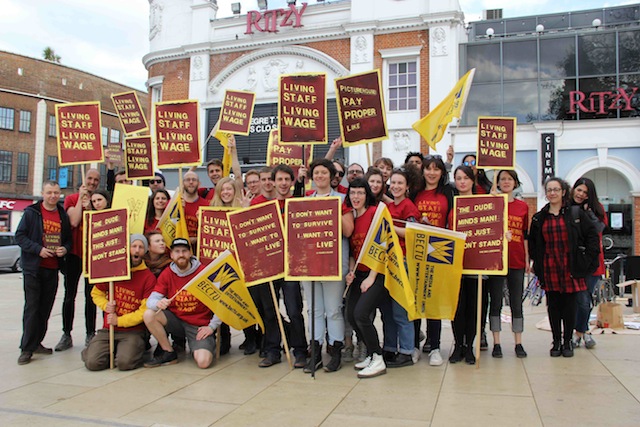
It’s been a tough year for Picturehouses, as you may have seen another of their cinemas repeatedly in the news. The Ritzy in Brixton, one of the chain’s flagship cinemas, saw a temporary closure when the staff took to the picket line in an effort to be paid the London living wage. The campaign to get the cinema chain to pay its staff the full London Living Wage of £8.80, a significant hike over their previous salaries, took a number of twists and turns over the last quarter of the year, with Picturehouses firstly saying that it would pay the salary but would have to enter into a period of consultancy over redundancies of up to a third of the staff, and then Cineworld stepping in to end the consultancy period. The staff appear to have gotten the right result, but it’s been a long and painful process.
This came on the back of the decision by Curzon Cinemas, who have mainly operations in London but have now expanded into regional cinema in a few areas, to pay all of their staff the Living Wage earlier in the year. They had become embroiled in a battle with staff initially over zero hours contracts, which do not even guarantee staff the minimum wage as an average over the week, and action by the cinema staff there (focused around the cinema’s Soho operation, from what I saw in the press) looks to have also had the right result for their cinema staff.
This is good news for the two art house chains, but inevitably will have consequences for the customers of those chains. Much was made in the press about the £1.3 million pound profit that Picturehouses made in 2013, but it’s also become clear through the process that Picturehouse isn’t paying the Living Wage in as many as eighteen of its cinemas, and that £1.3 million pounds would likely pay for the required increase in no more than two or three of those cinemas. My local Picturehouse in Cambridge has also seen a sharp increase in ticket prices since the Competition Commission process started, with a Friday night ticket rising without discount rising from £10 to £11 after two increases in the last twelve months. (This, coupled with a 50p increase in the Cineworld ticket price, has seen the local Vue cinema move from being the most expensive cinema to the cheapest for non-members after their prices haven’t changed in the same period.)
Curzon, who have committed to the Living Wage, opened a new cinema in Canterbury this year – an area that drew focus after it hosted the infamous Russell Brand / Nigel Farage Question Time episode last month, and Russell Brand visited the food banks in Canterbury, so you could hardly describe it as an exclusively prosperous area – and the standard ticket price there for a Friday night for non-members is £13.50. We can only hope that the higher prices for these cinema chains are being channelled back into the pockets of their employees, but it’s clear that if we expect the staff who look after us to be paid well, we are likely to have to support that in some measure. I’m not a fan of boycotting cinemas, because you’re directly impacting the staff in the first instance and just making their situation worse, but at the same time public pressure needs to be brought to bear on the cinema chains to ensure that any price increases are being used to pay the staff a suitable salary.
And that doesn’t just apply to the two higher end chains. I’ve looked at job adverts in the last month for entry roles at cinemas in the Cineworld, Vue, Odeon and Showcase cinema chains, and in every instance – including some jobs being offered in places such as Wood Green, which I believe should be on London Living Wage – the starting salary is listed as £6.50 per hour, the national minimum wage as opposed to the Living Wage (which is now £7.65 nationally and is due to rise to £9.15 in London). It’s pretty much guaranteed that if you visit a multiplex chain, the person serving you is likely to be living below the poverty line if they aren’t receiving a decent amount of overtime and bonuses. Think on that next time you complain about your overpriced popcorn – as that, not the ticket prices, is the main source of studio income – and if anyone has any bright ideas about how we can see fair treatment for all cinema staff, I’d be the first to sign up to them.
The Interview, Paddington And Censorship

It’s also not been a great year for censorship. In the last couple of months we’ve had a North Korean dictator becoming the focus of an international incident with American movie theatre chains forcing the hand of a major studio into a release of their latest film into independent cinemas and online only. I’ve not yet seen The Interview – if it’s like most other comedy product featuring Seth Rogen and James Franco over the past few years, I expect it to be mildly entertaining – but for one scary moment there, it did appear that we were putting censorship into the hands of anyone with the IT skills to be able to hack into your company’s network and then make demands. (And before North Korea declares war on The Movie Evangelist, I’m sure your country’s lovely and doesn’t deserve this essentially harmless satire of the leader of your country. Apropos of nothing, if you haven’t seen Camp 14, a tale of brutal hardship in North Korea’s concentration camps and one man’s struggle to escape to the free west, it’s currently on Netflix UK or available in a cheap DVD emporium near you, and there’s no better time to watch it.)
We proved in this country that we can’t do much better, after we gave a Christmas movie full of reindeer defecation set in a prison a U rating (Get Santa), and then slapped a PG rating on Paddington for the following:
- it could encourage children to hide in refrigerators and to slide down bannisters, because no child would think about that if they hadn’t seen it in a film and didn’t have parental guidance to tell them it’s a bad idea
- at one point Paddington is lying unconscious in the vicinity of some taxidermy tools
- a man dressed very unconvincingly as a woman is flirted with by another man
- there is one mumbled use of the word “bloody”
Clearly the nation’s children are at a terrible risk. No mention of the fact that this is a predominantly white film where the only non-white characters are a calypso band that play incongruously on the street or happen to be an underused henchman, so it’s good that we’ve got our priorities right. *rolls eyes*
In memoriam – the greatest losses to the world of cinema

There have been the usual array of losses to the world of cinema, and I can guarantee that no matter how many I listed someone would feel that I’d missed off a name that should have been included. So instead I will mention the two most untimely deaths that took away performers from us before their time. Robin Williams felt compelled to end his own life at the age of just 63 in August, but six months earlier drugs had claimed the life of Philip Seymour Hoffman at just 46. Both will be deeply missed, but have at least left behind a legacy that’s probably currently still being expanded in a cinema near you with the Night At The Museum and Hunger Games franchises respectively.
Without wishing to appear facetious, there are two other losses this year that will also affect what many of us consume at the cinema. The first is the retirement of Hayao Miyazaki, who has enchanted two generations with his films for Studio Ghibli but who advised that this year’s The Wind Rises would be his final film. I still have some Miayzaki to catch up on, but there will always be a soft spot here; Ponyo was the first review and post I ever published on this blog. The other great loss, although not one which will affect me directly, is the Orange Wednesdays campaign, which gave cinema audiences a 2 for 1 offer for over ten years in almost every cinema in the country, but which will come to an end in February. While the offer was said to be in decline in terms of usage, cinema attendances in 2014 are still 50% higher on Wednesdays than other weekdays, a figure that represents around 4% of the total weekly cinema attendance, and I hope another offer from somewhere will help to ensure that attendance isn’t lost.
The Death Of Originality From Disney To DC And Beyond
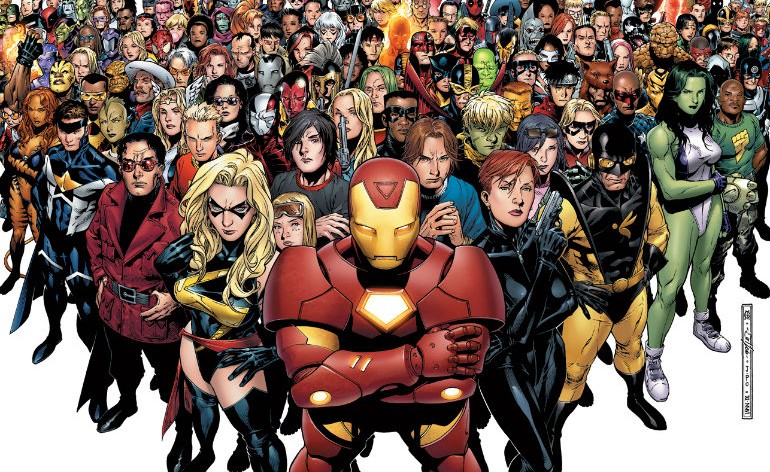
Not that the film studios are worried, of course; many of them have announced projects for years to come. Both Warner Brothers / DC and Disney / Marvel have announced their superhero slates up to at least 2019, and with confirmation there’ll be a Star Wars film a year for the next five years and a long list of animation plans announced, the cinema landscape for multiplexes over the coming half decade is more clearly mapped out than ever.
Not that I’m sure that’s a good thing. With seemingly every major actor ending up committed to one or other of the franchises, and with 2015 looming as a year in which the most original major studio film (Tomorrowland) is inspired by a theme park ride in the tradition of the Pirates Of The Caribbean movies – of which a fifth is in the planning stage – and which will see the year consumed by everything from Avengers to stormtroopers, original cinema looks to be facing its toughest challenge for some years. I can’t encourage you enough to support original, local films wherever you are, to prove to studios and cinema chains that there is still an audience for these films. When even the announcement of the title and cast for the next Bond – which was to all intents and purposes just a giant car advert – gains more column inches than most film releases, maybe we all need to re-evaluate our priorities.
Tim Burton And Helena Bonham Carter, And Moving On

And then in the last few days an announcement which also struck close to home and fits with the same theme of priorities: Tim Burton and Helena Bonham Carter, one of the last decade’s most enduring cinema partnerships, are separating. They met in 2001 on Planet Of The Apes and have completed another half a dozen films together since then. It struck a chord with me as it was the same year that I first started dating the future Mrs Evangelist, and after nine years of marriage we are now also entering into a separation. She’s been a regular mention in the blog over the years and I’ve always fit my cinema attendance around her, so at this point I’m not sure whether this will mean more or less time in the cinema for me in 2015 as I work out the next stage of my life. But I know one thing – the support I’ve received from people through everything I’ve done with this blog over the past four and a half years has been immense, and I head into 2015 ready to embrace whatever the future has in store, as long as it’s not homogenised, heavily censored films in overpriced cinemas with poorly paid staff. Ahem. Or maybe 2015 is the year we remind ourselves what’s important. See you on the other side, once I’ve got the remainder of my review of this year out of the way.
Coming soon (probably in this order):
Tomorrow – The Top 25 Performances Of 2014
Monday – The Top 30 Scenes Of 2014
Tuesday – The Man And Woman Of The Year
Wednesday – My Top 10 Old Films Of The Year
Thursday – The 40 Best Movies Of 2014
Friday – The 40 Most Anticipated Films Of 2015
Review Of 2014: The 10 Least Best Films I Saw In 2014
When it comes to end of year lists, most people will provide you with a Best Of, their choicest cuts of the year in list form. You’ll also find a fair few people giving you their worst of the year, as I have for the past three years. I commented last year that this was an increasingly futile exercise for me as I am a film blogger, not a reviewer and I actively avoid the dregs of the cinema releases unless I have a particularly burning desire to see them for reasons such as childhood memories or nothing better to do at the time. It’s been the same again this year; if anything, my overall level of quality has gone up further, so out of over 150 new films seen at time of writing I’ve only watched eleven which I would rate as being one or two stars on a standard five star scale.
There’s another problem with “worst of” lists; it’s inherently negative and it can all get a bit petty and unnecessary. While it’s great for me as a reviewer to let off steam sometimes, and for you the reader to enjoy my pithy rejoinders and endless sarcasm, it’s not really a solution to the problem. No one wants to make a bad film, let alone sit through one, so what does it achieve (other than scoring some cheap points) to sit and slag off people who’ve actually been making an effort, albeit a somewhat misguided one?
So I thought about what I’d do in a work situation, and styles of feedback. If you’re trying to give someone some constructive feedback, then you should tell them what they’ve done well in a given situation, and then what they could do better, rather than what they’ve done wrong. So this year I present my ten least best films of the year – there are undoubtedly many more than ten worse films that have disgraced the inside of cinemas this year but I’ve not seen them – but for each of these films, I’ll outline the good points and the areas for improvement. Can’t say fairer than that.
10. Hercules – 4/10

What you did well: Dwayne Johnson is an undemanding lead who’s got just enough charisma to keep you interested. There’s gravitas in the form of John Hurt and Peter Mullan, and Ian McShane is clearly on an agenda to have fun for his pay cheque. The end credits also feature some great artwork which applies some narrative linking to what we’ve seen in the film.
What you could do better: We’ll see if this becomes a theme as we go through, but the biggest warning for anyone attempting to make a film such as this is not to get caught between two stools. In trying to reimagine Hercules as a feasible real world hero, the adventure feels somewhat diluted and that also creates a chasm in tone between Ian McShane, who’s aimed where the rest of the film probably should have, and everyone else, who just takes things a bit too seriously. So it’s not really thrilling enough, and Joseph Fiennes’ character also feels weak and underwritten. It would be too easy to put all the blame at the foot of the door of Brett Ratner, but this is another black mark on an already smudged résumé.
9. The Congress – 4/10

What you did well: Certainly, after the success of applying animation to the documentary format with Waltz With Bashir, it was intriguing to see what Ari Folman would do in applying this to a narrative concept. If you’re looking to fictionalise this around the downward career trajectory of an actress, then Robin Wright is as good a pick as you could imagine.
What you could do better: This is, to quote the old footballing cliché, a film of two halves, and oddly it’s the first half in the real world that works better, with real emotion in the scenes leading up to the journey into the animated world. But that section, which takes as its inspiration a novel by Stanislav Lem, kind of works on it own terms but doesn’t gel at all with what’s gone before, and the film is a terrible mismatch. It’s a good job this is the only case this year of a novel adaptation becoming flawed after being padded out with new material. *cough* Hobbit *cough*
8. Maleficent – 4/10

What you did well: What an opportunity to allow Angelina Jolie to play evil, and how fantastic is she as the wicked Maleficent? With cheekbones that could cut glass and a deliciously evil smile, she’s perfect casting and the film itself also has a more balanced portrayal of female characters than most fairytales (if you can excuse what they’ve done to the three fairies).
What you could do better: I know I said I was trying to remain positive but seriously, you could have let Angelina Jolie be evil for more than about forty seconds?!?! For most of this misguided attempt to reinvent her as a tortured antihero, she either wails in pain after being brutally attacked or mopes around outside windows looking gooey-eyed. As the nominal villain of the piece, Sharlto Copley is so anonymous that I had to Google who he’d played after the film, Sam Riley is also under served as Jolie’s feathery sidekick and it’s one thing to look to balance our your female characters; it’s entirely another to just copy the end of Frozen. Top tip to film makers: at least try to put an original slant on your endings. Also, not every film set in a mythical kingdom needs to have a sub-Lord Of The Rings CGI battle with no weight or emotion.
7. Lucy – 4/10

What you did well: You hired Scarlett Johansson, then you hired Morgan Freeman. Er, that’s about it.
What you could do better: Probably just re-release Leon for its twentieth anniversary. It’s difficult to reconcile the quality of that film, which was offbeat and eccentric while still having heart, soul, an air of menace, Gary Oldman chewing off bits of scenery and some great action beats, with this high concept anti-action movie. By giving Lucy rapidly escalating powers that far outmatch anything that anyone can throw at her, any sense of tension is lost and we’re just left with a collection of increasingly unlikely imagery. Even the Matrix sequels, for all their faults, recognised that a godlike hero needs similarly powerful adversaries to combat. Also, best not to base your entire premise on the old myth that we only use ten per cent of our brains, given that just about everyone knows now that this just plain isn’t true, no matter how you try to twist it.
6. Stage Fright – 4/10

What you did well: A film I caught at FrightFest, and it was the late night Sunday showing which should maybe have been an indication that this wasn’t likely to be the greatest horror movie of all time. Still, I was just after campy fun, and the inclusion of both Meatloaf in a supporting role and a cameo from Minnie Driver. And what’s not to love about a slasher musical?
What you could do better: Plenty, as it turns out. It’s all going well through the over the top intro and the opening big number, with just the right tone, and then the film decides to abandon the musical concept for around 45 minutes and instead become a sub-Glee – sub-Kids From Fame, even – story of children of all ages being mildly terrorised and moderately bored. Consequently, by the time the songs kick in again and the killing wraps up, it’s become difficult to care about anything, other than the fact I could have been home and in bed by now. So if you’re going to make a film with the courage of your convictions,
5. The Canal – 4/10

What you did well: Another good concept here, with the idea that there’s terrors lurking in old film stock and films from over a century ago.
What you could do better: Maybe get a second opinion on your film before you start, as it almost feels as if the film makers didn’t recognise they had a great concept on their hands, as they ignore it after the first ten minutes for long periods. It also appears phenomenally easy for the lead characters to get film developed and processed in this digital age (not to mention when characters are under suspicion), and I suggest a different casting director may also help as almost every role here feels miscast. Steve Oram is the prime example of that as a weary policeman who seems to be wandering in from an entirely different film whenever he appears, and that’s a shame because I like Steve Oram.
4. Transcendence – 3/10

What you did well: Quite understandably, when Christopher Nolan’s director of photography decides to become a director himself, attracting a high calibre cast isn’t a problem, with Rebecca Hall, Paul Bettany, Morgan Freeman, Kate Mara and Cillian Murphy being a list of names that would flatter any film, even before you mention Johnny Depp.
What you could do better: If you’re going to write a script in the world of science fiction, I cannot but feel it would be helpful to actually watch some science fiction first. The core idea is a worn out science fiction cliché that has appeared in some form in any long running sci-fi TV series you’d care to mention, and the script adds nothing here. It also makes you realise that being a director is not just about the composition of a visual image – and there’s too much of that going on in a way that doesn’t advance the plot, and often makes the film feel remarkably small scale for a big budget sci-fi – but it’s also about getting the actors to put in a level of performance, and while Rebecca Hall tries her darnedest, she’s swimming against the tide.
3. Robocop – 3/10

What you did well: So, Transcendence, I trump your casting with Michael Keaton, Samuel L. Jackson, Jackie Earle Haley, Jennifer Ehle, Joel Kinnaman and Gary freakin’ Oldman. I then further trump it with some good performances, particularly from Keaton and Oldman. In addition, director José Padihla came with the pedigree of two Elite Squad films behind him, and the Robocop concept is ripe for remake (given how poorly the Frank Miller scripted sequels exploited the concept, although I still have an undeserved soft spot for Robocop 2).
What you could do better: I have a section in each of my film reviews called “What about the rating?” I didn’t see this in a cinema, but if I had I’ve would’ve had plenty to say about the rating here, which was 12A for “moderate violence, injury detail and infrequent strong language”. If you’re going to portray a cyborg police officer dealing with the scum of society, giving it a child friendly rating leaves it totally neutered and this is an action movie with almost no action in it; what’s here isn’t really any good. When you think that the original Robocop was originally submitted in a cut form to get an 18 certificate, and that it even had two trailers that got an 18 rating on video (when did you last seen an 18-rated trailer?!), then it’s clear where the gap is.
2. That Awkward Moment – 3/10
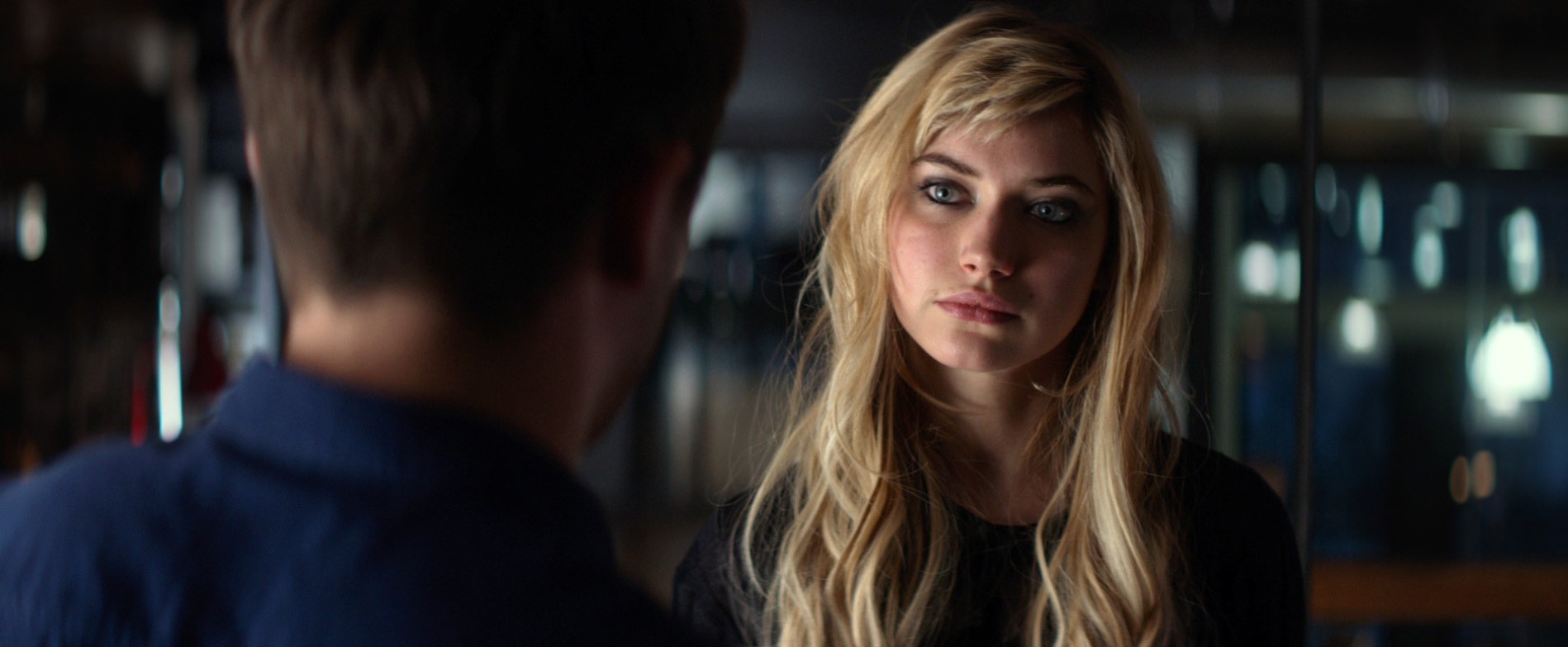
What you did well: Another tale of good casting, but this time the rating was a 15, so there were no holds barred on the language and That Awkward Moment could be a scabrous, raunchy comedy with the bonus of Zac Efron to draw in the teenage crowd.
What you could do better: Have you ever told your friends a joke that you heard and thought was really funny, but they just pull a face and suggest that it was in really poor taste? This is the 94 minute cinematic equivalent. Calling a woman a prostitute to their face, but then them overlooking that and still falling for you, might be achievable in an innocently cheery way in safer hands than these, but here it’s one example in a whole film that comes over more as uncomfortably sleazy. If that’s a fine line, then That Awkward Moment is staggering about drunkenly on the wrong side of it for an hour and a half.
1. Nymph (Killer Mermaid) – 2/10

What you did well: Well, you hired Franco Nero, that has to be a good start. And who couldn’t love the concept of a killer mermaid? Trashy horror movie staples on the SyFy channel have come off with a lot less to work with.
What you could do better: I appreciate that it may be a little difficult for you to judge my least best movie of the year when you probably haven’t seen it and never will, so just have a look at the trailer.
Maybe if this had gone for a campier tone or been in any way fun, it could have worked (possibly under the alternative title of Killer Mermaid), and I can’t bring myself to criticise because I cannot help but feel that the film makers’ hearts were in the right place, but there’s so little here of consequence happening that the film becomes a tedious domestic drama where people eventually end up running around a deserted island castle because they have nothing better to do. You can see what they were trying to achieve, but the film is criminally dull and the strains of the low budget are seen creaking at regular intervals, without the rough charm of any entertainment to encourage you to gloss over them. I only hope that, for those involved on the creative side, this is a lesson learned and that they can come back stronger for it. I’m off to watch Mrs. Brown’s Boys D’Movie or Postman Pat The Movie, or possibly as much of Transformers: Age Of Extinction as I can stand, as to call this my least best movie of the year feels terribly harsh. Sorry, everyone.
Previous years:
The 10 Worst Films I Saw In 2013 “WINNER” – A Good Day To Die Hard
The 10 Worst Films I Saw In 2012 “WINNER” – Seven Psychopaths
The 10 Worst Films I Saw In 2011 “WINNER” – Battle: Los Angeles
Review Of 2014: The (Half) Dozen Best Trailers Of 2014
Time to start yet another trawl through the cinematic wonders of the year, the fifth time I’ve broken down the cinema year in blog post form, and as has now become traditional I’m starting with my look at the best trailers of 2014. I have to say that 2014 hasn’t struck me as a golden year in the art of the cinematic promo, not least because of an ever increasing avalanche of marquee names and tentpole sequels that have a very precise series of beats to hit. I’ve probably also reached a point where I don’t watch very many of these in cinemas, partly because the tendency to keep the house lights up means most people tend to sit and chat through them, but also down to the fact that the standard diet of ads and trailers at the multiplex is twenty-five to thirty minutes of my life I’ll never get back, so I try to dip in as close to the start of the film as I possibly can.
All that said, there have still been a few highlights of the year, so in tribute to my normal Half Dozen trailer run-down I’ve pulled together another double dose of the best of the year’s trailers.
Best Trailer That Condenses The Movie Into Two Minutes: The Grand Budapest Hotel
What you’re really looking for from a trailer is something that sums up the tone and the spirit of the film without giving the game away. Recent trailers for Wes Anderson’s films have got this down to the finest of fine arts, not least because they tend to use the score from their respective films, and this picks off a selection of crowd-pleasing moments and also captures the true sense of the lighter moments of the film while not giving away too many of the highlights for when you come to watch the film.
Best Trailer For Teasing Just The Right Level: Godzilla
Just as with the Roland Emmerich’s Godzilla, this trailer was doing its best to keep back the detail of the grumpy green giant until you were sat watching the film. This probably worked more effectively, not least because the reveal of the actual creature leaves you breathing a sigh of relief rather than disappointment. Most of us who remember the travesty of Matthew Broderick charging round after a bunch of humourless Godzookies were relieved that this offered up the possibility of something just a little less emotionally scarring.
Best Trailer Earworm Of The Year: Guardians Of The Galaxy
Marvel couldn’t really lose here, as few people would have had too many expectations of this very minor property before James Gunn was offered the director’s chair. Even the eccentric (if expensive) casting wouldn’t have done too much more to raise hopes, but then this first trailer hit, with the film’s secret weapon revealed: the killer throwback soundtrack, and if you weren’t oonga-chakkaing to yourself after hearing Blue Suede’s Hooked On A Feeling, it’s possible you either hate the Seventies or you have no soul.
Best Comedy Trailer Of The Year: What We Do In The Shadows
I had a few issues with What We Do In The Shadows, mainly around the lack of big laughs, but that was possibly also down to the fact that many of the film’s best moments ended up in the trailer. Conversely, this is a two minute breakdown of the film that still hasn’t failed to put a smile on my face every time I’ve watched it.
Best Action Trailer Of The Year: The Raid 2
The Raid 2 suffered from being a subtitled action movie so it failed to crack either the art houses or the multiplexes and I ended up performing a 120 mile round trip just to see it. But when this trailer was offering up so much (all of which was delivered on in spades in the film), it was hard to resist. It helps when your two and a half hour action movie has probably close to an hour of action so that you’re not losing too many important beats to the need to drum up an audience.
Best Ronseal* Trailer: Mrs. Brown’s Boys D’Movie
No, wait, come back! I haven’t taken leave of my senses: Mrs. Brown’s Boys D’Movie is almost certainly a terrible film – I haven’t actually seen it – but there’s something about the trailer: you could not possibly watch it, and then sit down and watch the film saying you weren’t warned what you’re getting. Having been forced to endure some of the TV series, all of the staples are present and correct: the sub-music hall humour, the fourth wall breaking, the corpsing mid-joke, the self-referential digs, and in terms of pitching the finished product, you can’t fault it.
* does exactly what it says on the tin
Most Horrific Flashback Of The Year: Edge Of Tomorrow
You learn something every day. In this case, I discovered that the mind-numbing flashbacks I was having to the Battle: Los Angeles trailer caused by the use of the same music in this trailer wasn’t caused by the same music at all, just a common reliance on heavy use of autotune. For the record, the trailer for my least favourite film of the current decade was accompanied by Johann Johannsson’s The Sum’s Gone Dim and the Edge Of Tomorrow trailer is underscored by Fieldwork’s This Is Not The End. Feel free to tell me that I’m getting old and should be able to tell the difference.
Best Reveal In A Trailer: Citizenfour
Citizenfour has a trump card up its sleeve, and both the trailer and the film manage the reveal in an understated but effective way.
Yeah, not much more I can say than that.
Move along. Nothing more to see here.
Best Underdog Trailer (also Best Use Of Eighties Music): We Are The Best
I’ve not managed to catch everything I’d hoped to this year, I never do, but if one film stands out as being one I regret missing, it’s We Are The Best, and hopefully this trailer shows you exactly why. Out of the films I’ve not seen (at time of writing; it’s on Netflix so may yet appear in the top 40), this one seems to have been cropping up on as many end of year lists as anything.
Best Trailer For A Film Not Out Until 2015 First Runner-Up: Inherent Vice
I’ll be honest, I’d not paid much attention to Paul Thomas Anderson’s new film, partly because you don’t need to: it’s a name that’s become as reliable a stamp of quality as Scorcese or Spielberg at their peak. Consequently, this trailer – showing how Anderson set about capturing the feel of Thomas Pynchon’s novel – took me by surprise. Some top quality falling over from Joaquim Phoenix there.
Best Trailer For A Film Not Out Until 2015 Winner: Mad Max: Fury Road
The first trailer created a real buzz around the internet with its incredible looking action scenes, but it was just a string of action scenes with a cool techno soundtrack and a two-headed lizard. But this second promo was a perfect storm of fast cuts, giant logos, Nicholas Hoult going a bit mad and when the Dies Irae from Verdi’s Requiem drops, it’s the trailer equivalent of snorting pure speed. Seven million YouTube views in a week have surely guaranteed this a big opening weekend next year.
The Best Trailer Of 2014 is The Babadook
There could only really be one winner this year. Preparing to watch The Guest on the opening night of FrightFest, in a room full of hardened horror movie fans, the fact that they were freaking out over a trailer spoke volumes about what was to come, and by the time the film played two nights later there were actual screams. This brings us nicely full circle, as this trailer also does a great job of nailing the concept without giving away too many of the big moments, and I’m not only adding The Babadook to my Trailer Of The Year roll of honour, but I’m still sleeping with the lights on and I’ve stopped reading books. Can’t take any chances.
Previous years:
The 12 Best Trailers Of 2013 WINNER – Gravity
The 12 Best Trailers Of 2012 WINNER – The Imposter
The Dozen Best Trailers Of 2011 WINNER – Submarine
The Half Dozen Best Trailers Of 2010 WINNER – The Social Network
Review: The Hobbit: Battle Of The Five Armies 3D

The Pitch: Middle Earth, Episode 3: The Madness Of King Dwarf
The Review: Can you remember what you were doing in 2001? That’s more than half my adult life ago – and a decent chunk of anyone’s, frankly – but that’s how long it’s taken us to get there and back again, in a very roundabout sense. For all the judgements on the wisdom of Peter Jackson returning to the scene of his greatest triumph and whether or not it was right to magnify a single, slim children’s book into the same three volume epic as the Lord Of The Rings films, this thirteen year cinematic journey is at an end, and we can now make a judgement on Jackson’s achievements as a complete entity. Trying to take this last chapter in isolation is tricky, not least because the lack of real story structure makes this feel less like a complete film and more a vastly extended episode of a lavish TV series. In its favour, this film does clock in at fifteen minutes less than the previous shortest film in the Middle Earth series, but it’s given over almost entirely to the titular battle.
This Hobbit has taken a leaf from the book of another famous trilogy capper, Return Of The Jedi, when considering story construction. We open the film with a succession of resolutions to the cliffhangers set up at the end of The Desolation Of Smaug, which having been fairly neatly wrapped up see a brief amount of exposition with the series’ more senior figures before the film simply becomes a gigantic battle. However, where the Star Wars films have always clearly delineated the separate plot strands at work in their climaxes, here we end up skipping from character to character and the film suffers slightly as a result. The wrap up of the second film’s dangling threads is dealt with quickly enough that it forms this film’s prologue and were it not for the fact that Jackson and his co-writers’ script plays out events described in the book in a more strict chronological order (mainly seeing what Gandalf and crew’s been up to as it happens, rather than in the flashback of the last chapter of the book) this film would be pretty much all battle.
Sadly, what this film most evokes is another element of a Star Wars trilogy film, but here it’s the over-reliance on CGI from Revenge Of The Sith that breaks the illusion somewhat. It’s unfortunate in a way that the battle lines in the film are drawn with the characters spread out across a valley, as that proves an apt metaphor for the uncanny valley in which much of the CGI exists. In the earlier films computer graphics were an embellishment but they have now become a staple, and too often characters move with the distracting jerkiness that gives the game away; or, the case of CGI Billy Connolly as a dwarf leader riding a pig, they have a dead eyed coldness that makes you wonder if The Polar Express ever happened. In the attempts to trump previous battle scenes and provide more excitement in this climactic chapter, basic physics take an increasing pounding; characters are tossed about like rag dolls or fall hundreds of feet without injury, and one scene on a collapsing tower is near farcical as the tower itself collapses like hot butter, but still somehow retains the structural integrity to remain wedged hundreds of feet above a chasm. Much of the battle itself is engaging if you set aside these flaws, but it never scales the heights of Pelennor Fields or other previous engagements in the series. The script stays true to the usual Tolkein developments, such as the return of one of literature’s greatest winged deus ex machinas, but does occasionally feel like it’s overworking some of the additional material added (necessitated in part by the fact that Bilbo is unconscious for the final stretch of the battle in the book which would feel like a cheat on film).
The other trilogy capper I found being regrettably invoked was the last chapter in the Matrix series, Revolutions. The problem there was the sidelining or casual disposal of most of the characters you actually cared about, only for them to be replaced by new, less interesting characters. Due to the nature of the chapters being adapted, Bilbo (Martin Freeman), Gandalf (Ian McKellen) and the dwarves – at least six of whom I still couldn’t identify by name if my life depended on it – are offscreen for long stretches, while more minor characters such as the snivelly Alfrid (Ryan Gage) crop up seemingly every five minutes. It also doesn’t help that those characters brought to the fore are the less interesting actors, as if you were watching a Vulcan spin-off from a Star Trek movie (all ponderousness and anti-emoting) and it’s only in the last twenty minutes or so that any actual emotional engagement kicks in. I’m sure there’s a good film in among the three Hobbit films that we’ve been presented with that a good editor could find, but it’s certainly one wildly variant in tone from its original source. That’s no matter, but with much of Jackson and team’s personal additions feeling redundant and the bloated length becoming more wearing than productive, I suspect that history may not regard the Hobbit trilogy with quite the same affection as its bigger brother. Let’s all just hope that Peter Jackson now gets back to his life outside Middle Earth, rather than thumbing the pages of the Silmarillion looking for inspiration.
Why see it at the cinema: Your last chance for a while to see the magnificent New Zealand countryside covered in CGI madness, and the scope here is as epic as it’s been at any point in the series. As with the previous films, seeing this in a cinema with a decent sound system will also help to immerse you in the plot enormously.
Why see it in 3D: It’s not essential, but the 3D avoids being a distraction without adding too much either. 3D highlights were the increased sense of depth as the dwarves watch Smaug attack in the distance, and a final battle between two of the leading protagonists which sees the occasional object poking out of the screen at you.
What about the rating? Rated 12A for moderate violence, frequent threat. If you don’t like hours and hours of often CGI fighting, then this one’s not for you.
My cinema experience: Bit of a bad back, so I was very glad of the large, spacious seats in screen 9 at Cambridge Cineworld. As I was settling in for the long haul, I treated myself to a hot dog and an ice cream. Being a midweek day, even in the first week, the cinema was somewhat empty and it’s a slightly damning comment on the film itself that the biggest laugh I heard all evening was for the Kevin Bacon EE advert that plays in the gold spot after the trailers. I may have been doing some of Kev’s “buffer face” myself at points in the middle third of this film.
The Score: 6/10
The Half Dozen: 6 Most Interesting Looking Trailers For December 2014
It’s December again. You can’t open up a blog without having an avalanche of year-end lists fall out on your head – mine will follow in due course – and awards films and family entertainments are jostling for position in the screens of our local fleapits and shiny multiplexes. It’s a time for traditions, from mince pies to mistletoe and this blog is no different: I present my third annual review of trailers in December with each one accompanied by a reworked seasonal ditty of some variety and dubious quality. If you like, get yourself a reminder of my efforts in 2012 and 2013 to get the idea before embarking on this year’s collection of dodgy poetry and vague puns.
And whatever you get up to in this season of peace and goodwill, whether you’re celebrating Christmas, Hanukkah, Saturnalia, the winter solstice or simply worshipping at the altar of the early January sales, may you have a lovely time, ready to come back refreshed for 2015 which features new Bond, Star Wars, Avengers, Terminator, Taken, Ted, Mission: Impossible and pretty much any other franchise you’d care to name. But first, this.
The Hobbit: Battle Of The Five Armies
To the tune of Jona Lewie’s Stop The Cavalry
Hey, Mr. Jackson comes over here
With more Tolkien trilogy,
But it’s going on for far, far too long
Marching round and round pointlessly
Oh, I say it’s tough, I have had enough
Can you stop the hobbits, please?
I have had to fight, almost every night
Just to stay awake through these
Silmarillion? No thanks, Jackson
Can you stop the hobbits, please?
Longer versions seen at home
More appendices shoe-horned in
Wish I could edit them down
To a single film I’d love
Dub a dub a dum dum dub a dub a dum dub a dum dum dub a dub dub a dub a dum
Dub a dub a dum dum dub a dub a dum dub a dum dum dub a dub dub a dub a dum
Can we have some more Bad Taste films?
Manakamana
To the tune of the carol We Three Kings
Visit Manakamana
You can ride the cable car
Up the mountain, then back down again
Quicker than foot by far
O car of wonder, car of light
Car where conversation’s slight
Upward leading, still proceeding
Guide us to thy temple right
Glorious now behold it arise
Bearing folks of all shapes and size
Men and women, some with goats in
That one’s a big surprise
O car of wonder, car of light
Arty insight or just trite?
Upward leading, but we’re needing
To work out our own insight
Dumb And Dumber To
To the tune of Little Drummer Boy
Come they told me, so dumb a dumb dumb
The brothers Farrelly, so dumb a dumb dumb
Have made a sequel see, so dumb a dumb dumb
We didn’t want really, so dumb a dumb dumb,
dumb a dumb dumb, dumb a dumb dumb,
Daniels and Carrey being really dumb,
Will we come?
Little joy you’ll see, so dumb a dumb dumb
It’s gone a bit nasty, still dumb a dumb dumb
They have no jokes to bring, no sense of fun,
But they’ll still flog this thing to us if we’re dumb,
That makes me glum; I’ll not succumb…
We’ll be spared Dumb 3, so dumb a dumb dumb,
If we don’t come.
Annie
To the tune of John Lennon’s Happy Christmas (War Is Over)
So, this is Christmas
And what have you done?
A new film of Annie
Even worse than the last one
And so this is awful
It doesn’t look fun
The cast all look lost here
The old and the young
Quevenzhané Wallis
Doesn’t act well, I fear
Let’s hope that this bad one
Won’t kill her career
And so this is pointless
Just completely wrong
Not one of these actors
Will be winning a gong
So unhappy Christmas
This Annie’s not right
Will Gluck, you’ve gone wrong here,
Your film just looks shite
Big Eyes
To the tune of Wizzard’s I Wish It Could Be Christmas Every Day
Thanks to Q. Tarantino,
He’s a man we’d like to know
He’s put a great big smile, on everybody’s face
If you need an Austrian friend
Then your casting’s at an end
Open up the doors
You know that sweet Christoph Waltz is on the way
Well I wish it could be Chris Waltz, every day
‘Cos the films he’s in are invariably great **
Oh, I don’t think there’s a role he couldn’t play
Let him be in every film, please
He has quickly made his mark
He can do both light and dark
Now Tim Burton’s gonna let him have his say
Even though he’ll be quite mean
As the real life Walter Keane
We just know he and Amy Adams
Will blow the critics all away
Well I wish it could be Chris Waltz, every day
‘Cos the films he’s in are invariably great
Oh, I wish it could be Chris Waltz, every day
And I bet he will be Blofeld
** I haven’t seen Water For Elephants, but I liked The Green Hornet. So sue me.
Exodus: Gods And Kings
To the tune of White Christmas
I’m dreaming of a white Egypt
Just like the ones I used to know
With old Charlton Heston
Credibility testing,
And others skin as white as snow,
I’m dreaming of a white Egypt
Someone tell Ridley it’s not right
May your films have casts that look right
And may all your Egypts not be white
Review: Paddington
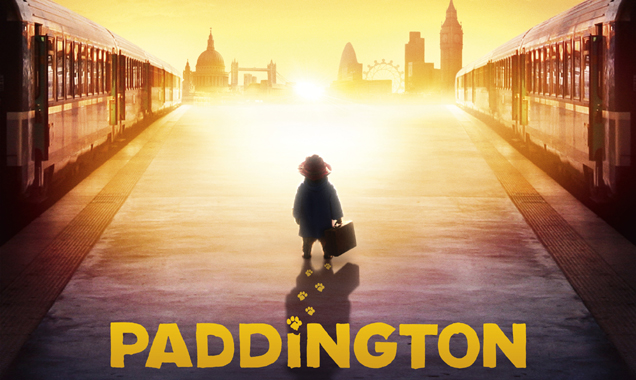 The Pitch: The Immigration Game.
The Review: What’s the first thing you think of when you think of a bear? Is it a vicious creature that weighs several times what you do that could rip you limb from limb and looks like this?

Probably not. Which would explain why people have had to be warned in the US recently against taking selfies with bears. That’s right:

No, that’s fine, you see how close you can get, mate, if it comes any closer it probably just wants a cuddle. And he’s not alone either.

So why do the authorities need need to go to the lengths of warning people not to get up close and personal to bears? Could it be because, through our stories and tales, we have created an image of bears as being cuddly and friendly, often charming, almost self-deprecating? When we think of bears we undoubtedly think more of this:

Or possibly this:
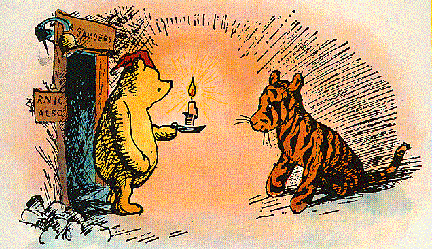
No-one anthropomorphises bears like us Brits, and after Winnie and his mates have been stealing the limelight for years, it’s now the turn of the bear from Darkest Peru to worm his way back into our affections. If you’re about the same age as me (fortyish) and British, then this will be the kind of image of Paddington that will have you flashing back to your childhood faster than a food critic eating ratatouille:

But as anthropomorphisms go, Paddington takes some beating. This duffle-coat wearing, suitcase carrying gentleman has a fondness for marmalade and a unforced formality that might make him the most polite bear you’ve ever met. But be careful, for although he won’t be detaching your limbs from their sockets with his vicious teeth or sharp claws anytime soon, he might still be just as dangerous as any of his wilder cousins.
Where so many children’s adaptations have failed to capture the magic of their original inspiration, Paddington nails both the tone and characterisation from the outset. Put aside any concerns you have that the movie Paddington isn’t an exact replica of the one you see in that last image, for while the outside may have had a CGI makeover, the inside is as charming, gently ruffled and unmistakably a classic British archetype as you’ll ever hope to find. From the moment that the Brown family first meet this bear on a train station platform, his earnest and understated plea for assistance in the face of Mr. Brown’s suspicions that this bear should be avoided as he may be some form of undesirable salesman, the film absolutely and critically nails the exact tone necessary to allow this bear to win you over. Not only does Paddington no longer resemble his original source outwardly, but the Browns are also physically less than a passing resemblance, but it matters not. From Ben Whishaw’s perfect voice casting as the Peruvian charmer to Hugh Bonneville and Sally Hawkins as the Browns and even Julie Walters as eccentric housekeeper Mrs Brown and Peter Capaldi as grumpy next-door neighbour Mr Curry, everyone involved has the feel and the attitude of the original Paddington stories to a tee, right down to Paddington’s trademark hard stares.
It also helps that director and co-writer Paul King has a background in the absurd, from his last feature Bunny And The Bull to his time on The Mighty Boosh, and Paddington’s world is just far enough off-kilter to remain enchanting while avoiding crossing the line of being grating. The Browns might live in a fictional London road that would seem twee for a Richard Curtis film, not to mention one where the few non-white faces are of the fourth-wall breaking band seen singing on street corners, but it’s an enchanting world that Paddington’s been dropped into and crucially one with a superb amount of attention to detail. From the “found” part of a Lost and Found sign flickering on when Paddington first meets Mrs Brown to the careful way in which Paddington’s traditional costume is assembled, King has finely honed every single detail and created an escapist paradise. There’s a host of British talent put to good use both on the screen and behind the camera, and while not everything is flawless, the CGI no longer evokes memories of the Creepy Paddington meme that started with the release of the first images and saw the likes of this being photoshopped:

The production values are of a good enough standard not to take you out of the meticulously created world at any point.
As mentioned earlier, it’s a world into which jeopardy is introduced, but not at anywhere near the levels of most similar films and the only way this Paddington might be likely to kill you is with his kindness. Nicole Kidman is introduced as a nominal baddie, but she and henchman Kayvan Novak get relatively little screen time and the stakes never get raised anything above the titular bear. That’s fine, and it’s nice to see a film that has the courage of its convictions and doesn’t get unnecessarily bogged down in saving the universe or trying to broker world peace. It’s simple and enchanting, yet manages to sneak in enough to keep the grown-ups happy as well as the children. It is also playfully dangerous with the way in which it shows us a migrant bear, effectively the kind of benefit-claiming hanger-on so derided by right-wing political parties, but actually serves as the most positive advertisement for racial integration you could possibly imagine. It would have been understandable to fear Paddington, not for his actions or his demeanour but for the possibility of yet another treasured childhood memory being trampled, but this one has been treasured and the result is little short of a heart-warming triumph wrapped up with a gentle message of tolerance. Just remember though, as cute as this fictional Peruvian resident is, don’t be lulled into a false sense of security or into getting any selfies with his real-life cousins any time soon, no matter how adorable they might be:

Why see it at the cinema: I can’t say this clearly enough: it’s an absolute delight, and will have audiences of all ages laughing and fully engaged. Aim to see it in as full a cinema as possible. Additionally, the rich level of background detail demands to be seen in the cinema to be fully appreciated.
What about the rating? Controversial, this one. Rated PG for dangerous behaviour, mild threat, innuendo, infrequent mild bad language. Very young children might be a little intimidated by the baddies, but most of the rest is just a very cautious approach from the BBFC. I’ve seen PGs that were a lot worse.
My cinema experience: Seen in a half full screen at Saturday teatime in Cineworld Cambridge. It’s often the case that child-friendly films sell out during the day and then struggle for evening audiences, and this was no exception, although with strong word of mouth the equivalent showing this weekend may be fuller. Either way, the audience was enraptured by the adventures of the duffel coat wearing marmalade addict and there was plenty of audience noise of the right kinds to make the film a thoroughly enjoyable experience. (And it wasn’t just the kids making noise, I heard plenty of adults getting very emotionally caught up with the film too.)
The Score: 9/10
Review: The Imitation Game

The Pitch: Turing tested.
The Review: It might seem difficult to imagine for anyone under the age of thirty, but we are only in the second generation of home computer users. Computers themselves evolve at a phenomenal rate – my phone now has over 65,000 times the memory of my first home computer – but anyone my age or older will remember their first encounter with a computer. Having studied computing at both school and university, I’ve been taught by people who’d used punched cards, paper tape and computers the size of rooms. They were only one generation removed from the great thinkers of the development of computing, many of whom were required to hone their skills in the service of war and whose contribution to victory may have been as significant as any armoured division or fleet of boats. Alan Turing gave us one of the defining statements around computing in his Turing test; the idea that a truly artificially intelligent machine would be indistinguishable from a person if you only saw what they said (and the idea from which the film’s title is derived). He also helped to refine the bombe machine which was critical to decoding the German intelligence encoded via their Enigma devices, and this new British film attempts to decode the enigma of Turing himself; both the brilliant mind struggling in a public setting and the private man whose secrets would ultimately see him pay a very high price.
There is a fantastically interesting story to be told about the work that the codebreakers at Bletchley Park did during the Second World War, but Morten Tyldum’s film is afraid to explore it in any great depth. Without spoiling too much – because there’s actually very little to spoil and I will presume you know who won the Second World War – the entirety of the main plot of the film consists of:
- man says he can build machine which he doesn’t explain, but is covered in dials so looks impressive
- man builds machine
- people tell him machine doesn’t work
- man turns on machine
- man calibrates machine
- machine works
The closest analogy would be a sports movie; different sports movies go into various levels of detail regarding the mechanics of their sport, but must eventually put that aside and engage you in the thrill of their pastime. Not only does The Imitation Game fail desperately to understand any interesting aspect of the code breaking mechanics but it crucially also fails for the most part to make the actual act of cracking the codes tense or dramatic. Wondering if your vacuum cleaner will work when you turn it on, then discovering that it does with a bit of fiddling, does not make for entertainment or drama and The Imitation Game fails to achieve anything more; simply inserting shots of war-torn Europe feels critically disconnected and does nothing to elevate the stakes. That’s all the more frustrating when Tyldum’s previous film, Headhunters, did a great job of maintaining tension despite some wild fluctuations in tone.
Alongside that sits the issue of the film attempting to deal with Turing’s closeted homosexuality. The structure of the film sees us flashing between three time frames, starting with Turing under suspicion from the police after the war when his house is burgled, and flashing back to his school days and his first burgeoning relationship with a school friend. The repeated skipping between time frames feels laboured at times, and it takes an eternity to get to anything approaching forward momentum in any of the story strands. Tyldum also struggles to make some of the developments in the script feel genuine, and with regard to Turing’s sexuality the school scenes are the only ones that come across believably, rather than feeling melodramatic and forced. Both of the later time periods suffer from occasional cheap innuendo and a reluctance to tackle anything head on; it’s understandable given the time period that none of these issues were addressed in public until Turing’s arrest, but the film seems reluctant to address them in private either. It’s not just in those areas that notes in the film ring false; there are scenes of Turing running, which feel oddly placed and unlikely, yet Turing in real life ran marathons and was an ultra-distance runner.
There is one big area in which The Imitation Game succeeds, and that’s in the quality of the acting. Benedict Cumberbatch gets the meatiest role as Turing, and his track record for playing super-intelligent social outcasts of different varieties sees him unsurprisingly excel with another nuanced performance. His performance is well mirrored by Alex Lawther who portrays Turing at school age, and complemented by one of Keira Knightley’s strongest turns in years as the woman who matches him intellectually and understands him most closely. The likes of Mark Strong and Charles Dance do well in roles that don’t exactly stretch, but it’s Matthew Goode who brings balance and shading to the central ensemble and adds both notes of conflict and sympathy while remaining grounded in a consistent character. It’s right that the achievements of British code breakers should be celebrated in film, after so many botched attempts in the past, and if The Imitation Game gets details wrong and blends characters then its attempts to mythologise its characters and their endeavours are still laudable to a point. Let’s be honest, when The Social Network took a similar approach it worked very effectively, but David Fincher and Aaron Sorkin magnified the rough edges of their characters to almost cartoonish levels. Despite that, their film never shied away from their inherent flaws or human failings of their protagonists. The Imitation Game seeks to eulogise those who did such good work, but never gets under the skin of the people it’s examining, and when it also fails to draw you in on a basic storytelling level, it seems that the life of Alan Turing is one code that will remain cinematically unbroken for now.
Why see it at the cinema: There are a few brief cutaways to battle scenes, but in general it’s curiously uncinematic in its filming. What it did do at the screening I was at was to generate more well-placed and well-observed middle-class tutting and indignation than any film I can remember, which actually served to raise my enjoyment of the film.
I was almost tempted to suggest that you shouldn’t actually watch the film in the cinema; before I take leave of my senses completely, can I just suggest that if you’re in the vicinity of Milton Keynes you take the opportunity to visit both Bletchley Park and the currently separate National Museum Of Computing? Both will provide much greater and more genuine insight into the fascinating story of this particular war effort.
What about the rating? Rated 12A for moderate sex references. These include use of the word penis and a joke about blowjobs; nothing that’s going to shock your average 11 year old.
My cinema experience: Because I’m clearly insane, after watching What We Do In The Shadows in Stevenage I discovered there was a late showing of The Imitation Game at the Abbeygate in Bury St. Edmunds, so drove an hour and a half to catch this while I had the chance. A trip to the Abbeygate is always worth it, and I had time for a blonde beer in the bar and a quick browse on the web on my iPhone before taking up my favourite seat in screen 1. Hopefully the success of this well attended screening might see a few more later shows popping up at the Abbeygate.
The Score: 5/10
Review: What We Do In The Shadows
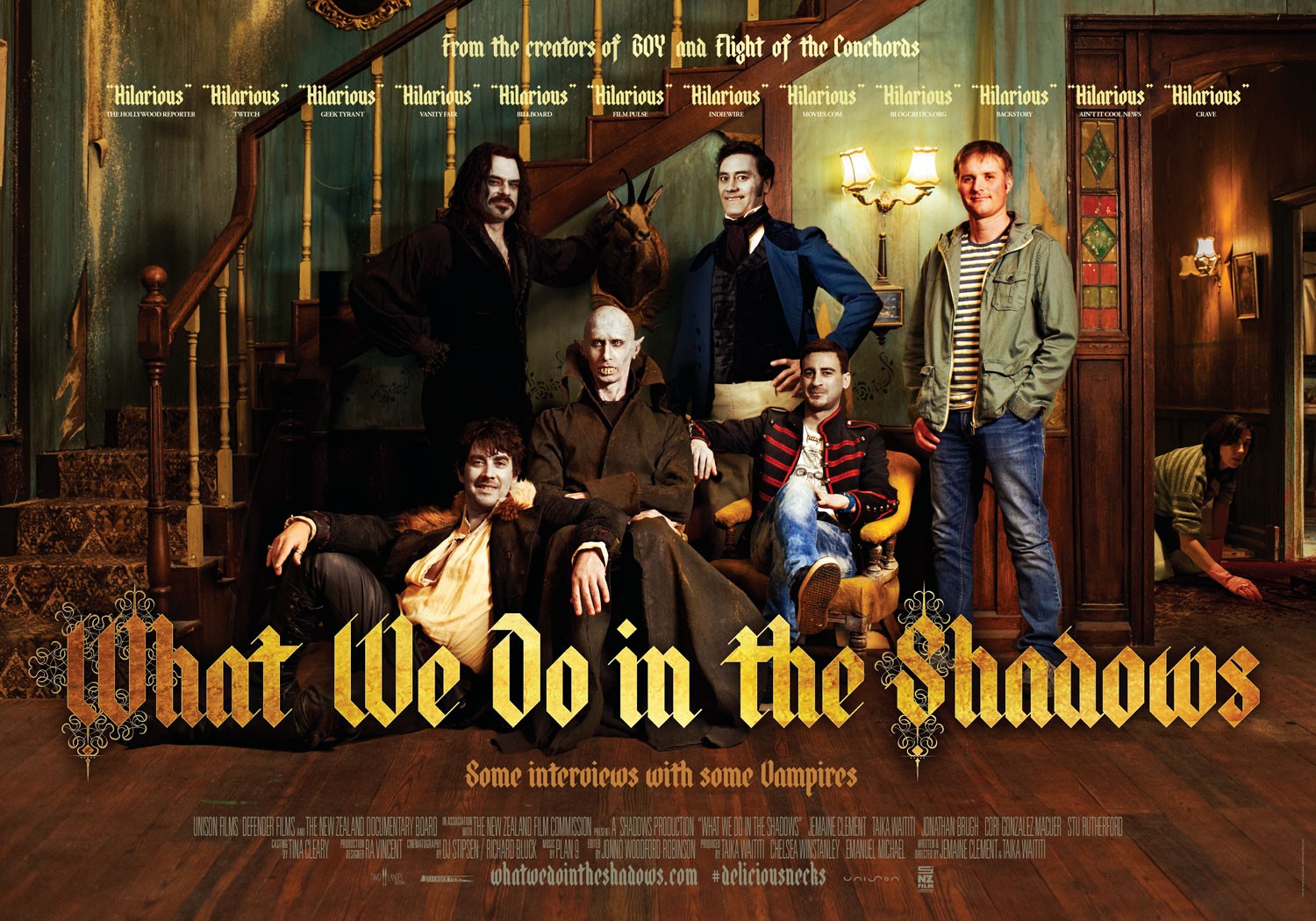
The Pitch: The Lost Middle-Aged Men.
The Review: In film and literature, the supernatural is often accompanied by a sense of the theatrical, almost the over-dramatic. From the classic vampire tales to modern day films such as Interview With The Vampire, the idea of creatures who are forcibly stuck in perpetual darkness and who tend to dress predominantly in capes, ruffs and frills make their lifestyle seem larger than life, and the operatic tendencies of earlier film makers – especially in the way that vampires are often seen claiming their victims – help to reinforce their sense of otherworldliness. Which is all well and good, but surely vampires have to go shopping at some point? Even they must have a routine? And what would it be like being cooped up with the same three flatmates for hundreds of years? What We Do In The Shadows is a horror comedy that has a vague stab at answering some of these questions in the style of a faux documentary; rather than a vampiric Blair Witch, this sits more comfortably in the same genre as The Office, but with much more neck biting and general debauchery.
That rambling, shambling decadence of pointed toothiness comes in three main varieties. Taika Waititi is Viago, the dandy who still manages to amuse himself with sight gags involving his lack of a reflection; Jermaine Clement is the elder statesmen of the group Vladislav who just also happens to be a massive pervert; and Jonathan Brugh is Deacon, the relative youngster of the trio at around 180 years old, who deludes himself into thinking his vampire shabbiness is the epitome of cool. There is technically a fourth member of the house, the 8,000 year old Petyr who lives in a tomb in the basement and who’s gone full Nosferatu while he eats chickens noisily. A documentary crew follows them around during their night time cruising of Wellington, New Zealand, and their interactions with a local pack of werewolves headed up by Rhys Derby. The documentary crew follows their misadventures in the run-up to local costume ball The Unholy Masquerade, including newly turning vampire Nick (Cori Gonzalez-Macuer), Deacon’s difficulties with his human familiar Jackie (Jackie Van Beek) and Viago’s pining for his now elderly human former love.
There might be a good reason why vampires should remain in the shadows, for hundreds of years of undeath still haven’t given them the opportunity to sufficiently hone their social skills, and they bicker with each other and fall out with almost everyone they meet. It’s hard not to warm to them, though, thanks to Waititi’s goofy charm, Clement’s egotistical swagger and even the narcissism that Brugh brings to Deacon doesn’t unbalance the group. It’s a chance for everyone to do silly Transylvanian accents while talking about vacuuming and doing the dishes, and to puncture some of the pomposity that’s inherent in the genre in the process. These vampires might be domesticated but after several centuries they’re still barely housebroken, and that leads to a steady stream of chuckles as they try desperately to keep each other out of trouble.
Sadly, what it lacks above the chuckles is any real belly laughs to elevate it to greatness. It has fun with the conventions of the genre, it’s often inventive with its effects and it’s not afraid of more than a little blood gushing everywhere (no wonder that the first name on the “Thanks” roll in the credits is that of famous Wellington horror director Peter Jackson), showing once more what you can do with a small budget if you’re creative. It also knows its source material and the rich heritage of vampire films well, but it doesn’t always do much more with the conventions than other, more serious vampire films have done; take Interview With The Vampire, and Brad Pitt’s watching sunrises in cinemas. The same idea is at play here in places, but writers and directors Waititi and Clement, both creative veterans (along with Darby and others) of Flight Of The Conchords, end up setting for gentle fun rather than any significant skewerings of the vampire myth. It’s at its best either in the small observational moments, or in the grandstanding finale when it truly lets rip. What We Do In The Shadows is fun while it lasts, and you might still have Plan 9’s jaunty mid-European score in your head for a while later, but won’t have the same kind of long term endurance as its characters.
Why see it in the cinema: I can’t help but feel I may have been slightly harsh, but often your own enjoyment of a comedy is a reflection of the audience you see it with. This film is getting UK screening requests through OurScreen, and hopefully if you attend one of those your fellow audience will be more up for it than mine was. More on this in a moment.
What about the rating? Rated 15 for strong language and bloody violence. Yes, even the claim from the trailer that they’re “werewolves, not swearwolves” can’t stop this from getting a mid-teenage rating.
My cinema experience: As this wasn’t showing in my normal areas of Cambridge or Bury St. Edmunds, and I was in the area (i.e. I was half an hour away), I made the trip to Cineworld Stevenage to see this. I’m not sure it necessarily played to the right audience; only about half full anyway, about ten minutes in, someone two rows back from me turned to the person next to him and said, without any trace of irony, “Is he a vampire?” (You might be able to gauge how ridiculous that is if you can still watch the first six minutes here.) I did get some extraordinarily cheap petrol at the petrol station on the way home, so there were upsides to the trip, they just weren’t all in the cinema.
The Score: 7/10
Review: Life Itself

The Pitch: The greatest movie evangelist of them all.
The Review: I will have been writing this film blog for five years in April. Five years that have already seen me take in over 800 films, visit cinemas all over the country and generally try in my own way to encourage people to brave the loud popcorn eaters and the texting teenagers and to see films the way they were intended to be seen, in cinemas. I started this blog as a simple attempt to make productive use of the time I was spending in cinemas, which up to then had been entirely for my own benefit, but it’s expanded over that time in ways that I couldn’t have even dreamed of. But I am a lone voice sitting in the ether, allowing my opinions to gently settle and to be scooped up by anyone who finds then useful. We live in a world of mass communication and social media, where any two bit hack with a computer can offer their opinion, and where most of them do as often as possible. At its best, film criticism transcends critical judgement and becomes an art form in itself; it’s sometimes one that thrives on venom and bile, where mean-spiritedness becomes a form of entertainment for the masses and we are quicker to tear films down than to try to build them up, but it can also be a productive outlet for reflection and analysis. Anyone looking for a benchmark for what can be achieved in the realms of film study and critique should look no further than Roger Ebert.
While watching the documentary by Steve James about Ebert’s life and work, I found very much a kindred spirit, and someone who coincidentally seemed to end up in the world of film by accident. It almost feels wrong to describe Ebert’s film reviews as criticism in the traditional sense, for he found the positives in so much of cinema, and James interweaves an analysis of Ebert’s style of film reviewing throughout the film. Clear demonstrations of his style are littered throughout the film, but the one which immediately struck home with me was an excerpt from his review of Terrance Malick’s The Tree Of Life. I’m not a fan of Malick in any sense, yet hearing just the first couple of paragraphs of Roger Ebert’s review made me immediately want to revisit the film to see what I’d missed. That insight, the simple but powerfully effective use of language and the enthusiasm for what he saw as a master of his craft at work also saw Ebert expanding on his love of film at conferences, in books and, for what may have made him the most familiar face in American film criticism, his collaborations with Gene Siskel.
A large part of Steve James’ documentary focuses on the two newspaper critics who gradually conquered the world of television criticism and became synonymous with their “Two Thumbs Up” rating system. Having followed Ebert’s rise at the Chicago Sun-Times to heading up the film desk – a rarity in those days that one person would be writing all of the film reviews – Life Itself tracks his expansion into television that put him into regular conflict with Chicago Tribune critic Gene Siskel on their At The Movies show. Using archive footage, including outtakes and behind the scenes squabbling, James shows the competitiveness between the two, but also the grudging respect and eventual affection that the two men shared. Both had strong opinions and neither would ever back down, but James’ use of footage expertly captures just why these two slightly crusty, unpolished newsmen became the definitive view for a generation of American film lovers. We also see testimony from that generation, which extends deeply into the very film-making community that Ebert studied, and luminaries from Werner Herzog to Martin Scorcese line up to pay tribute to a man who helped to inspire and nurture the next generation of filmmakers through his work. The variety of talking heads from Ebert’s friends and contemporaries are plainly honest about his life, and much like his relationship with Siskel there’s a rough honesty that carries admiration without sugar-coating it. The documentary isn’t afraid to explore his early drinking, or to shy away from the base reasons why he may have been compelled to write Roger Corman’s Beyond The Valley Of The Dolls, and the effect is to completely humanise Ebert in a balanced manner.
But what Life Itself captures most is the sense of warmth and humanity and the spirit of Roger Ebert, and it’s in the framing device of the documentary that this is strongest. We start with footage of Ebert being cared for in a Chicago hospital, recovering from yet more surgery, the surgery to treat various neck cancers leaving him with no lower jaw and much of the lower half his face detached. What might initially appear to be a grotesque image is actually far from it, for the upper half of his face shows that the glimmer in his eye from his youth has become a beaming smile, that of a man loving life and the opportunities it afforded him and taking those together with its challenges. Ebert was, by the time the documentary started, no longer able to talk, and his communication with James is via text and e-mail, laid out in the film in an onscreen manner we’ve become very much accustomed to. That spirit which fired Roger Ebert shines through, and James shows his determination to keep working via the internet and to keep watching films for as long as his failing body would allow; a spirit reflected in the warmth of his love for his wife Chaz and her family that seems to sustain him past what many others would have failed to endure. A famous football manager once claimed that his sport was more important than life or death; what Steve James’ documentary captures so brilliantly is that film is the essence of both Life Itself and life itself, and Roger Ebert through his work may just have been the finest encapsulation of that essence that we have been privileged to know.
Why see it at the cinema: I can’t speak for him, but I think it’s what he would have wanted. In this case, rather than the opportunity for expansive sound or visuals, a chance to immerse yourself in the life and process of a man who loved the movies, and wanted you to love them too.
What about the rating: Rated 15 for infrequent strong sex, sexualised nudity, violence. There are a variety of movie clips in the film, and they embrace the full range of every pleasure about the movies, even the guilty ones.
My cinema experience: Seen at the Curzon Soho, a cinema in the news in 2014 for its staff taking industrial action over their wages. We tend to forget that a lot of people with a love of film end up working in these establishments and aren’t always well paid for their efforts. Since I last visited this cinema, there’s certainly been some money spent as the bar area has had a significant revamp; I only hope some of that money has made its way into the staff’s pockets as well.
Even though this was a Saturday in a London cinema, the early bird price saw me get in for £9, less than I’d pay for a full price ticket on a Saturday evening in a local cinema. It was a half-full cinema, but one which was reacting well to what what on screen. My only real grumble with the Curzon, which has very good projection and sound and doesn’t go over the top on trailers and ads, is that the screen I was in has seats with very low backs. I’m 6 foot 3 and I like to be able to rest my head back while I’m watching a film, which sometimes sees me adopt some very strange positions. I just about managed to make myself comfortable for the two hour duration.
UPDATE: Good news, everyone! And good news for the staff at the Curzon Soho. I’ve been contacted by a member of staff at Curzon who informs me that the reported decision to pay staff the London Living Wage is being honoured, so that money has made its way into the staff’s hands as well. It’s good news for me as well as them, as there are apparently also plans to address the chairs! I look forward to my next visit with a clear conscience and less of a stiff neck.
The Score: 9/10
 The Movie Evangelist