Evangelism
The Half Dozen: 6 Most Interesting Looking Trailers For January 2014
If there’s one thing you can say about 2014, it’s that it follows 2013 in chronological order. If you can say two things, it’s that we’re going to get the normal mix of bloated blockbusters and art house gems. 2014 will see another Tom Cruise action movie, two more Marvel films, another edgy David Fincher literary adaptation, Spike Jonze’s Oscar-botherer with Joaquim Phoenix, Lars Von Trier’s five hour sex epic, Christopher Nolan’s latest epic, the most Wes Anderson-y Wes Anderson film ever, another slice of Iranian life from Asghar Farhadi and big screen outings for Postman Pat, Paddington and Pudsey the dog, among a host of others.
If sequels are your thing, then feel free to choose from the Muppets, Rio, The Amazing Spider-Man, 21 Jump Street, The Purge, How To Train Your Dragon, Transformers, Rise Of The Planet Of The Apes, The Inbetweeners, The Expendables, Sin City, Paranormal Activity, Nativity, Horrible Bosses, Dumb And Dumber and Night At The Museum. We’ll get the penultimate Hunger Games and the final Hobbit (probably). There’ll be cinematic interpretations of Lego, the Need For Speed franchise, another Godzilla, Disney spin-off Maleficent, Mrs. Brown’s Boys, Hercules and The Equaliser. You can get two X-Men casts for the price of one, and if none of that appeals, then maybe you deserve Untitled Vince Vaughn Movie, due for release in October.
But that’s all to come. Before that we have to navigate January, and the host of Uncle Sam’s leftover awards contenders that make compiling end of year lists so confusing. Here’s my most prominent trailers for the first month of 2013: The Sequel.
Last Vegas
To start with, a trailer that was a phenomenon. Showing before almost every film I’ve seen in the last two months, seemingly crossing almost every demographic line, there’s one inevitable occurrence every time this has screened: almost every one in the cinema chuckles briefly when Morgan Freeman jumps out of the window. Comedy gold.
12 Years A Slave
I saw this on Thursday, and my review will follow in due course. All I’ll say for now is that I was staying in a hotel for work, and I had to sit and have a pint in the hotel bar when I got back in an effort to stop my hand shaking. Steve McQueen has now made three films of outstanding quality that blur the line between art and film, without compromising each other, and for my money there’s no one making films today that have quite the emotional power of McQueen. (Although I couldn’t help feeling sorry for Robert Redford when I heard the name of his film dropped.)
Tim’s Vermeer
The first documentary pick of the year, and it’s one brought to you by magicians Penn and Teller. I never thought I’d ever see Martin Mull and David Hockney in the same trailer, but there you go.
The Wolf Of Wall Street
Picked this film out in my Half Dozen of the year in December as the best trailer for a 2014 film; this is the more recent trailer. If trailers were directly proportional to the length of their films, this should have been about ten minutes. The first Scorcese I ever encountered was Goodfellas, which I fell in love with by reading the screenplay before I even saw the film; I can only hope the favourable comparisons are justified.
Inside Llewyn Davis
If I was making a top ten of working directors, Steve McQueen and Martin Scorsese would likely be in there. The Coen brothers would certainly be in there, and they’re on a hot streak at the moment. But if you had to pick seven films that represented the Coens, would you have picked the seven listed out in the trailer?
I, Frankenstein
If your film hasn’t appeared in the awards nominations, putting a caption up in your trailer saying “This January” is tantamount to saying “Come and see this if you can be bothered” or “Welcome to the cinematic dumping ground”. Maybe, in the fullness of time, the quality of high budget action movies will have risen to the point where they can be shown twelve months of the year. On this evidence, it will be at least 2015.
Review Of 2013: The Top 40 Movies Of 2013
2013 might just be another year in terms of film, but it’s been a landmark year in terms of my own contribution to the world of local film. If you’ll indulge me before we get down to business, just a few thank yous I need to put out there. I’ve continued to contribute to Cambridge 105 radio show Bums On Seats, and this year hosted the show three times as well. Huge and hearty thanks to the legend that is Toby Miller, captain of the good ship Bums and the man whose robust editing has come close to making me make sense for the first time in my life, and to all of the other reviewers who’ve had to put up with me throughout the course of the year.
I’ve also had my first reviews published during the Cambridge Film Festival on proper Cambridge film website Take One, and thanks to Rosy Hunt, Gavin Midgley and the team at Take One for embracing me so warmly. (Take One give a writer’s guidance which includes avoiding long sentences; I hope they’re not reading this post too closely.) I also hosted a Q & A at the Abbeygate Picturehouse and four during the Cambridge Film Festival as well as appearing on a panel earlier in the year, so thanks to Jonathan and Pat and the rest of the team at the Abbeygate, Keith, Jack and the rest of the team at the Cambridge Arts Picturehouse and Tony Jones, Verena, Claire and Emily and all those from the film festival team who supported me through the good times and the Honour Q & A where I ended up shouting questions from the sidelines after my microphone packed up and we only had ten minutes.
2013 will also be remembered as the year that we fought the fight against the Competition Commission’s decision that three cinemas owned by Cineworld need to be sold off, two of them being in the two places (Cambridge and Bury St Edmunds) where I see 90% of my films each year. I’ve written more words on this subject than I care to think about and appeared four times on BBC Radio Cambridgeshire and once on the BBC’s national local radio network to discuss and challenge the position, and also freaked a few people out in the village when my radio friendly face popped up on BBC Look East’s nightly news, and the fight – while taking a brief pause while Cineworld Group continue their battle with the Commission – will undoubtedly rumble on into 2014 once the outcome becomes clearer.
When that happens, you will probably see a lot more words from me in both print and in other media, but for now I’d just like to thank all those who have helped and supported the fight and helped to put together the 15,000 strong petition, including Hugh, Mike, Anthony, Amanda, Becky, Jim, Janis, many of the aforementioned and literally hundreds of others who gave time to the debate in some way, including Cambridge MP Julian Huppert and Lord Clancarty who respectively raised the debate in the House Of Commons and the House of Lords and MPs Sir James Paice and Sir Malcolm Bruce who took the time to write with updates, and Chris Mann and the team at BBC Radio Cambridgeshire who put up with me calling from a meeting room in Preston on one occasion. If I’ve missed anyone at all in any of those lists, then please know that your contribution and support was just as valued, there’s just no room to name everyone.
EDIT: In what’s known in film circles as “doing a Hilary Swank”, I forgot to thank my wife, whose tolerance, patience and general humouring of my obsessive compulsive tendencies continue to make all of this possible. For the record her favourites of the year, of the 15 films she saw with me, were Les Misérables (just outside my top 40), Despicable Me 2 (I laughed, but it’s really just minions) and Frozen (see below). This edit has thankfully saved me from not only a divorce, but also having to buy her a kitten.
In among all that, I still managed to see some films. For the first time since starting this blog, half a dozen of those were watched at home, either as screeners or DVD catch-ups for films I’d missed. I also saw 167 films at the cinema, of which 14 were re-releases. I’m also including in this consideration the three films I saw at the London Film Festival in 2012 that I held over from last year. That leaves a total of 162 films that I saw which were released in cinemas either this year or appeared at FrightFest or the Cambridge Film Festival and may yet get a theatrical release in 2014. This top 40 is the cream of that particular crop, and everything on the list scored 8/10 or better when I reviewed it.
As always, there were a few gaps, which included the likes of Gangs Of Wasseypur, It’s Such A Beautiful Day, both of Alex Gibney’s documentaries, I Am Nasrine, Child’s Pose, What Maisie Knew, In A World…, Compliance, Metro Manila, Kill Your Darlings and a host of others. I am always open to recommendations, so let me know in the comments if you think I’ve missed something, or where you can berate me for not selecting Stories We Tell, Frances Ha, Rush, Zero Dark Thirty, Blancanieves, No, Blue Jasmine, Les Misérables or any of the other films I did see but that didn’t make this list.
Right, without further ado, here are the forty films which most entertained, challenged, touched or delighted me in 2013.
40. The Secret Life Of Walter Mitty

We start the list with a film that’s left me feeling somewhat conflicted. On the one hand, Walter Mitty is ragingly predictable, occasionally clumsy and – thanks to Ben Stiller’s gift for making expensive, non-commercial films – packed full of more product placement than two or three Bond films. On the other, it’s deeply felt without descending into mawkishness, has some beautifully constructed moments and I was this far from getting a Cinnabon when in town yesterday afternoon. Stiller manages to make his Mitty sympathetic and his transition believable, and for all his and the film’s faults it was a post-Christmas treat.
39. Filth

I’m not sure of any other culture that could get away with someone as totally abhorrent as James McAvoy’s Bruce Robertson, at least not in the sense of his character being so spectacularly unpleasant. But it’s a role that James McAvoy tackles head on, not shying away from either the more deranged excesses or the deeper flaws that embody the nature of Robertson’s personality. It’s nice to see that Trainspotting wasn’t a one-off in being able to transfer an Irvine Welsh novel to the screen successfully, but for all of the good supporting work from the likes of Eddie Marsan and Imogen Poots this is McAvoy’s film, and he’s a mesmeric force of nature.
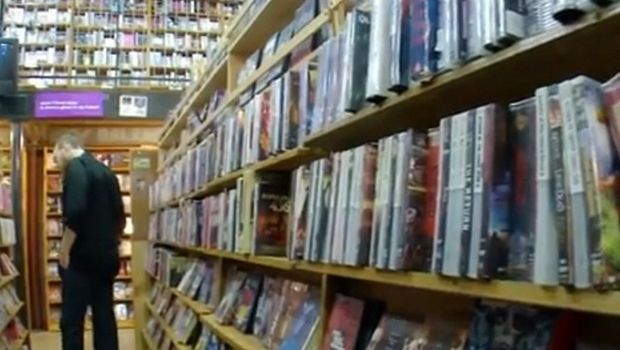
I would love to be able to say that, growing up, I had regular access to the BFI and a subscription to Sight and Sound, which has made me the cultured cinephile that I am today. But I’ve taken a rather more circuitous route to film fandom, one which has its roots in a rather dingy dungeon with no windows filled with VHS tapes below a corner shop which provided much of the film watching of my teens. Rewind This! is a loving exploration of how VHS changed the landscape of film, both for better or for worse, and was a thorough and fascinating look at those still keeping the format alive against all the odds. I’m now cherishing my last few VHS tapes with even more fondness.
37. Dead Cat
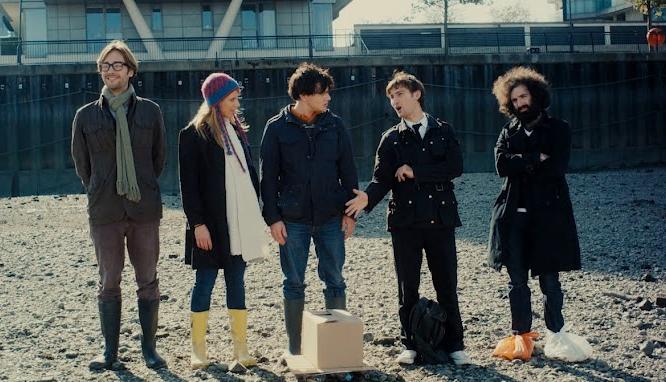
One of those Q & A sessions at the Cambridge Film Festival I mentioned was with Stefan Georgiou, director of this British film which played there three times. Having seen the film on a screener, I introduced Stefan at the start of the film and then stayed in for around 15 minutes, watching the audience try to work out what to make of a film which opens on a shot of a dead cat (thankfully from natural causes). I came back for the last twenty minutes, by which time I found an audience fully engaged with the film and appreciating both the well-constructed laughs and the poignancy of the central relationship, which considers second chances in love and if you can ever go back. The Q & A afterwards ran to around 40 minutes and was one of the most enjoyable I’ve ever hosted, and the inclusion of this film is in no way reflective of any bias at all, honest, probably not, well maybe a tiny bit, it’s my list and I can do what I want, shut up. Still touring festivals, hopefully you’ll see more of both Stefan and his dead cat in the future, and I look forward to seeing it again. (I may just not watch it with my cat.)
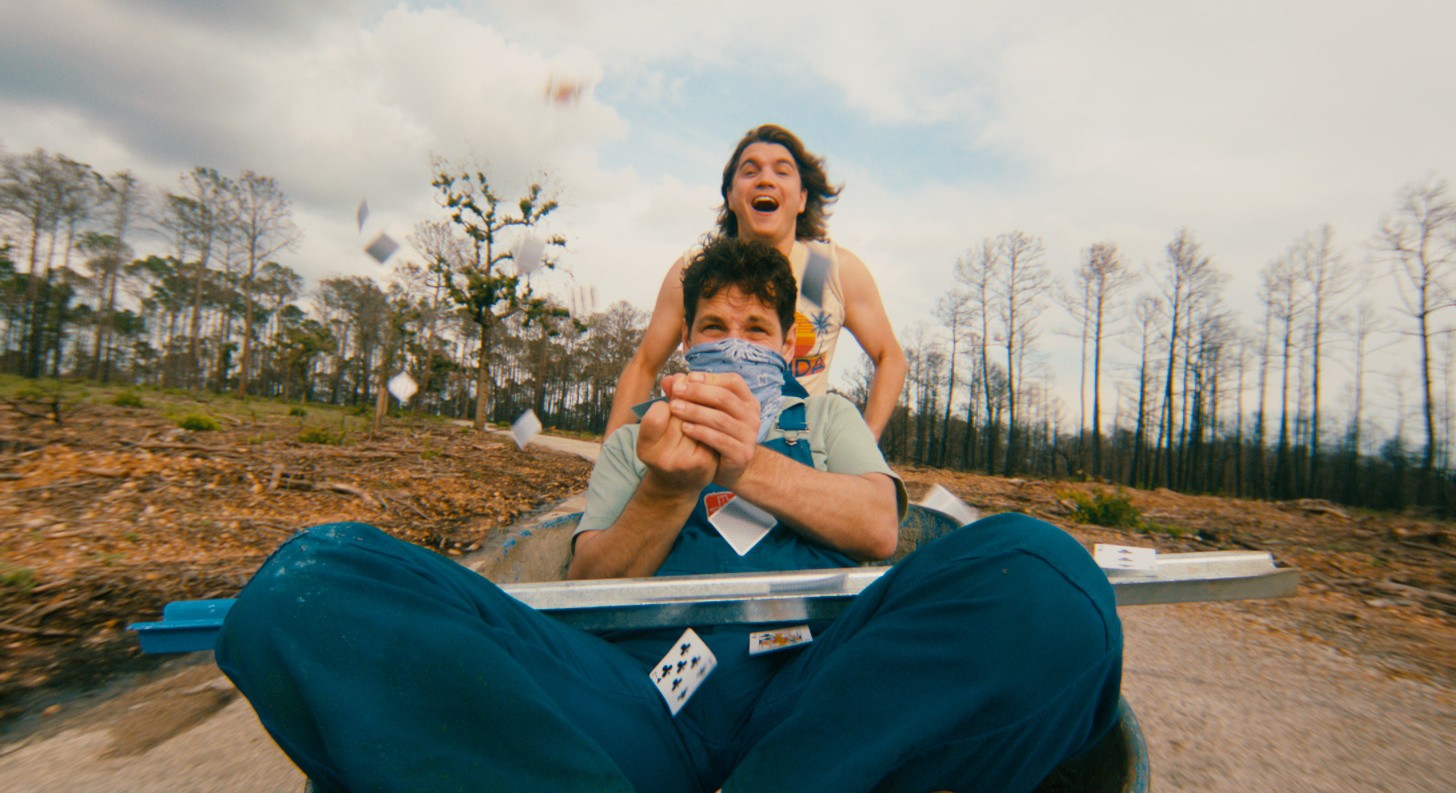
Prince Avalanche is the intersection of two slightly bewildering career paths. Paul Rudd has found fame in Friends and Anchorman, but has become slightly pigeonholed into comedies of the likes of the dire Wanderlust when not showing off the contents of his wall cabinets of perfume and condoms. David Gordon Green made his name with small, independent dramas before branching off into broad, alpha-male comedies such as Pineapple Express. Put the two together, and they’ve created this delightful slice of life in the American countryside. Rudd and Emile Hirsch are both hiding from real life by painting road lines in the wilderness ravaged by forest fire, but what they find – including real life survivor Joyce Payne who lost her home in the fire – has a touching beauty and sense of loss that complements the offbeat humour, with Tim Orr’s cinematography making stunning use of the burned-out landscape.
35. Much Ado About Nothing

Joss Whedon can probably do anything. From taking the charred embers of the failure of his Buffy film script and turning it into not one, but two, successful TV series to managing to make The Avengers a box office behemoth that has guaranteed the future of Marvel films for another decade, he’s had the magic touch and if he put his mind to world peace, he’d probably give it a good go. In a manner that’s almost showing off, he regularly gathers actor friends together to read Shakespeare at his house and committed this production to film in his back garden. It’s got a lightness of touch and glosses over some unlikely Shakespearean plot twists with its winning performances. If you’ve got a kitten stuck in a tree or see a school bus with its brakes cut, Whedon’s probably your go-to guy.
34. The Place Beyond The Pines
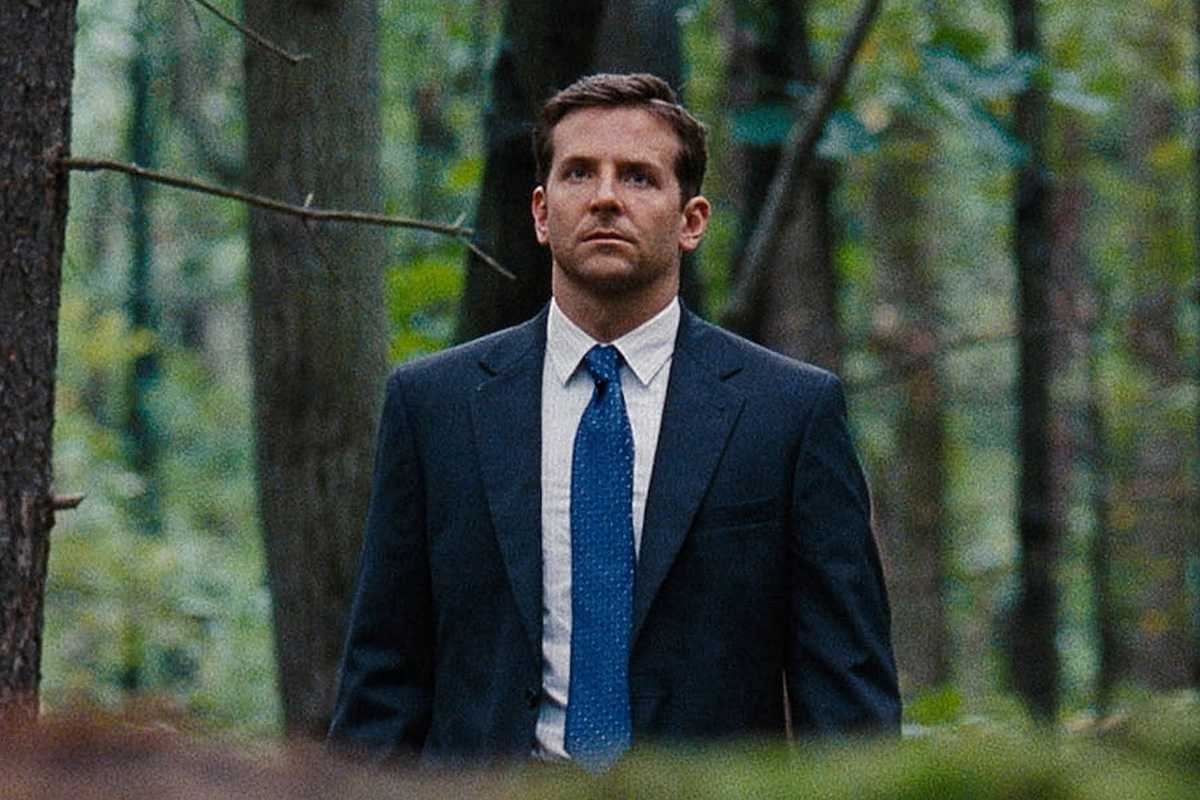
The Place Beyond The Pines justifies a place on this list based on the first of its three acts. Derek Cianfrance’s experiment to focus on three different perspectives of the same story (Ryan Gosling, Bradley Cooper and Dane De Haan respectively) works less well as time passes, but is nevertheless to be commended for the attempt. What works, works like gangbusters and from the intense opening tracking shot, whenever Gosling’s on screen he proves he’s got detached brooding down to a tee. Cooper and De Haan are good and supported well by a cast including Eva Mendes, Ben Mendelssohn and Ray Liotta, but ultimately it falls short of being the classic promised by the early scenes.
33. The Way Way Back
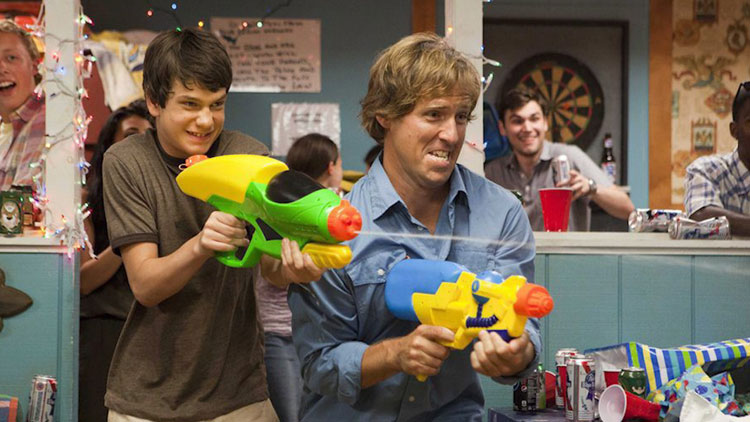
One of two summer holiday, coming of age films on the list and the more financially successful of the two, Nat Faxon and Jim Rash’s screenplay for their directorial debut is a world away from their Alexander Payne collaboration The Descendants. It’s not afraid to cast Steve Carell against type or Sam Rockwell very much in type, and it’s anchored by an evolving performance from youngster Liam James. Happy to confess a soft spot for Jim Rash thanks to becoming hooked on Community (where he plays the overenthusiastic Dean Pelton), it’s nice to see that he and Faxon – who also have small supporting roles – are capable of making it on their own. While there’s a host of great support from the likes of Alison Janney and Maya Angelou, it’s Rockwell who marches off with every single scene he’s in.
32. I Wish
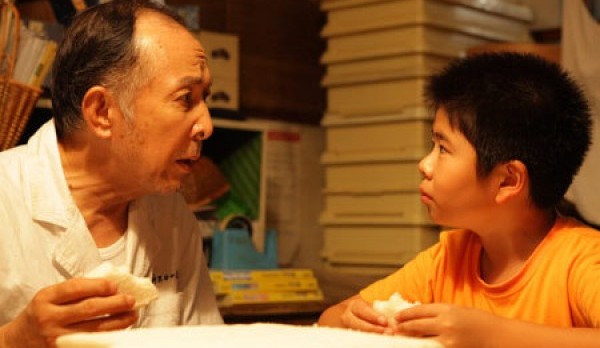
It’s taken two years for Hirokazu Koreeda’s eighth narrative feature film to make it into UK cinemas, so long that his ninth (Like Father, Like Son) also made it to these shores this year. I still feel like I’m dipping my toes into Japanese cinema, but the waters around Koreeda seem warm and embracing and my toes feel quite comfortable on this evidence. Centred around the adventures of two groups of children, each with a child from the same family divided by their parents separation and by geography, Koreeda didn’t finish the script until he’d cast the children and their delightful innocence is well contrasted with the world-weariness of the elder generation of their family. A loving examination of the nature of family, friendship and growing-up.

I might only play games on my iPhone these days, the PS3 now a dusty relic in the corner of the room after it stopped serving its sole purpose (to me) of playing Blu-rays earlier this year, but I’ve been enough of a gaming fan over the years to recognise a fair chunk of the cameos and references in Disney’s latest animated delight. In a year when the only Pixar film was a solid but slightly disappointing return to the Monsters Inc. universe, it’s good to see that John Lasseter’s desire to return Disney to the values of old-fashioned storytelling is still paying dividends. Good voice casting across the board helps and famous cameos from the arcades don’t hurt, but it’s the narrative arcs of Ralph and Vanellope that leave the most lasting impression.
30. Mud

Watching the trailers for The Wolf Of Wall Street and Interstallar, it’s hard to work out why it’s taken so long for Matthew McConaughey to become one of the most reliable actors in Hollywood. Maybe A Time To Kill and his earlier work came too early; now slightly more aged, he’s matured like a fine wine or a well hung steak and is now turning in performance after performance of the highest calibre. While Jeff Nichols’ tale of two children and their adventure around the banks of the Mississippi isn’t quite at the level of his stunning Take Shelter, it’s still made worthwhile by McConaughey’s magnetism; additionally, Tye Sheridan and Jacob Lofland as the two youngsters, in what’s turned out to be a good year for coming of age stories, are both excellent. Can’t wait to see what Nichols comes up with next, especially as it’s suggested to be sci-fi with shades of John Carpenter.
29. Wadjda

Given that it’s both the first feature film shot entirely in Saudi Arabia and the first feature from a female Saudi director, you could be forgiven for thinking that Wadjda might arrive with a few rough edges. But instead, director Haifaa al-Mansour’s film arrives fully formed, clearly influenced by the neorealism of other world cinema but nonetheless providing fascinating insights into the life and culture of this middle-Eastern kingdom. It’s not quite a coming of age story for another impressive young actress (Waad Mohammed), more a catalogue of her entrepreneurial frustrations as she attempts to attain the bike she desires but that society would frown upon her having, and it illustrates Saudi society without ever sitting in judgement.
28. Lore
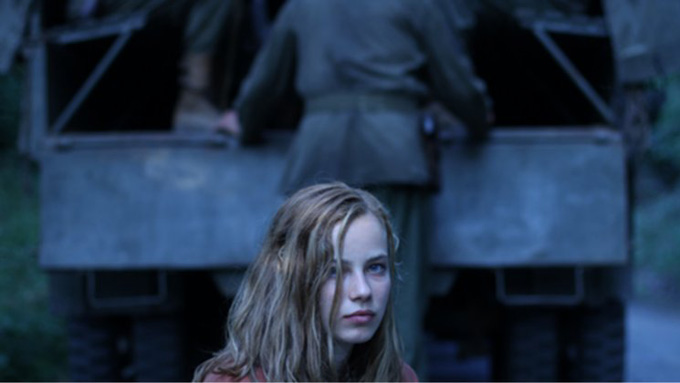
Giving an unusual perspective on a conflict well documented in film, Lore follows a group of children attempting to make their way to safety through post World War II Germany. Indoctrinated into believing the lies of Hitler’s Germany, Lore is a journey of self-discovery for Lore herself (the impressive Saskia Rosendahl) and a fascinating perspective shift on a well-worn subject. Despite its German subject matter, it’s been made by an Australian director with British funding, and Cate Shortland makes excellent use of her landscapes – both the beauty of nature and the fractured buildings in the war’s aftermath – to supplement Lore’s internal conflict. Sadly this one got lost in between the end of the awards season and the start of the blockbuster onrush, but it’s certainly worth another look.
27. Blue Is The Warmest Colour

I stand by my view that, at three hours, this is a story that could have been told more succinctly without losing its raw power and sensitivity, but nearly two months after seeing it many of its images still haunt my memory – and I’m not just talking about the beyond infamous lesbian sex scenes. You’ll not find many better performances all year than those from Adele Exarchopolous and Lea Seydoux and for all of the controversy in the wake of its release – not least from the director and the actresses about the methods of filming – only the hardest of hearts will fail to be touched by this exceedingly thorough examination of the nature of love and relationships. (It’s a sad loss to cinema that three hour films now get shown without an intermission, and we’re just a couple of weeks away from another three hour endurance test for your buttocks with Martin Scorsese’s latest.)
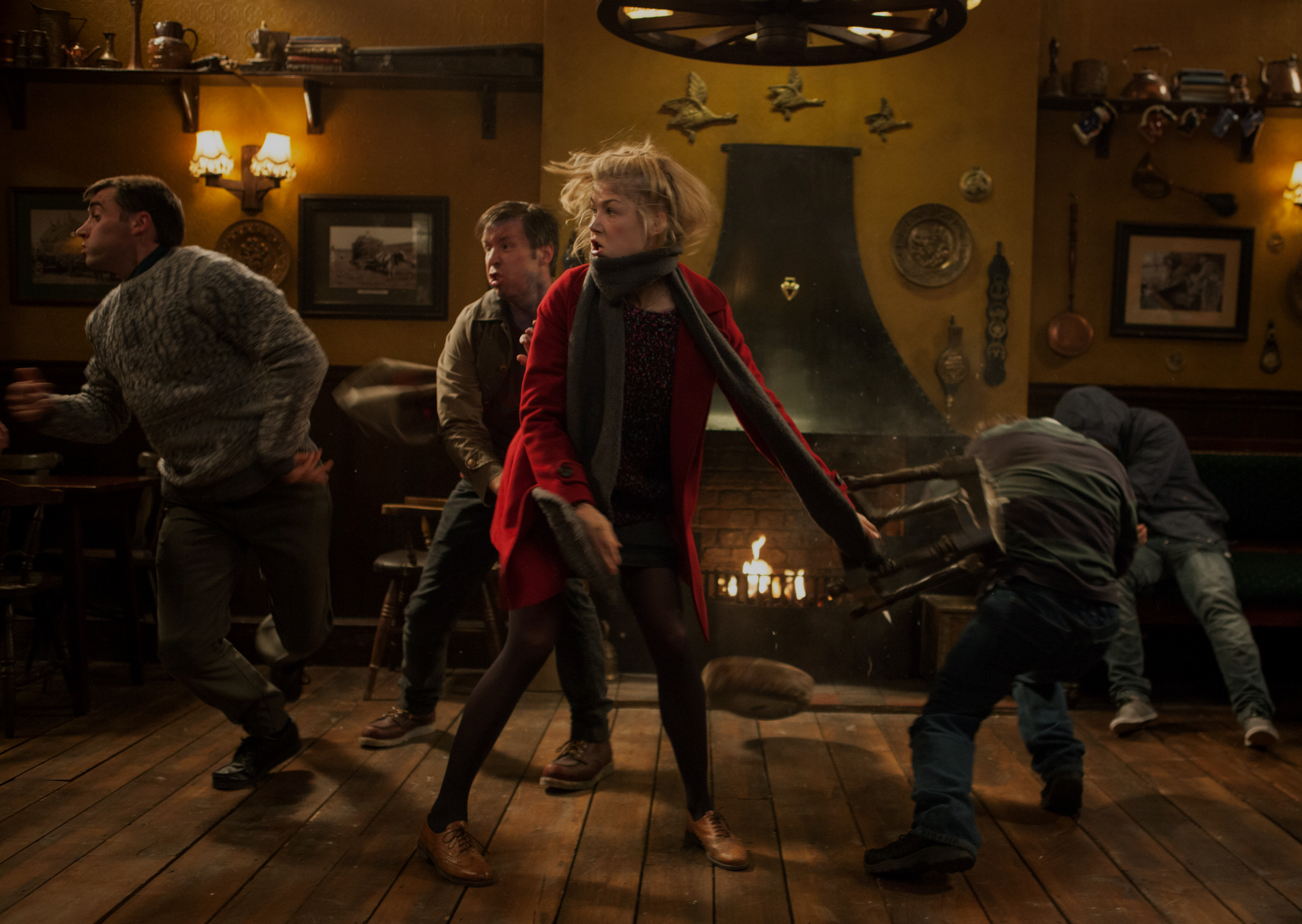
You’d think that seeing Edgar Wright’s latest so relatively low on this list would be a disappointment (his last film was my top pick of 2010 and this is his first feature not to get a full 10/10 from me), but I have a suspicion that this is one film which needs time to breathe. I’ve seen this film more than any other over the course of the year, making three trips to see it at the cinema, and if it’s not quite the film many people were expecting then it doesn’t skimp on hard decisions and doesn’t settle for being a lazy retread of its Cornetto trilogy brethren. The fight scenes are breathtaking, choreographed by Brad Allen from Jackie Chan’s stunt team, and Wright’s filming style manages to keep then in sharp enough focus. One to re-evaluate in a couple of years, I think, possibly once Wright’s Ant-Man is upon us.
25. Short Term 12
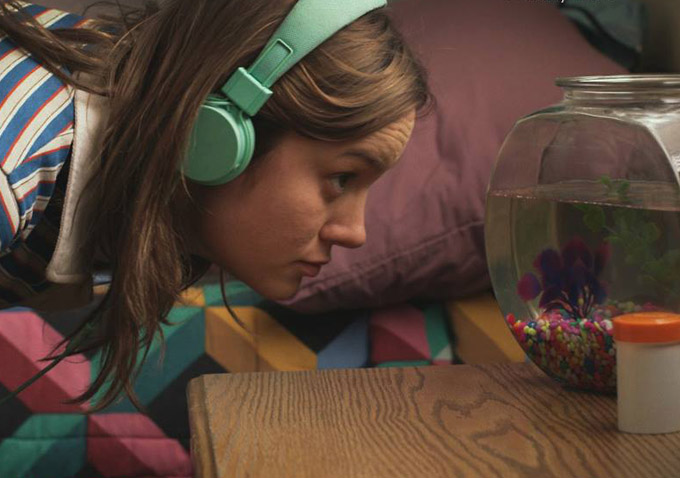
To see a short film expanded to feature length always carries a risk of a lack of substance, but it’s a pitfall avoided by Destin Cretton’s adaptation of his 2008 short. In the process of that move, Cretton’s also taken the decision to switch his protagonist from male to female. Brie Larson’s excellent performance – strong, conflicted and empathetic by turns and never following predictable patterns – is surrounded by a variety of similarly layered efforts from a young cast showing a maturity beyond their years. It loses points slightly for snipping off every single one of its loose ends before the close, but that shouldn’t detract from the the power of many of the earlier scenes.
24. Frozen
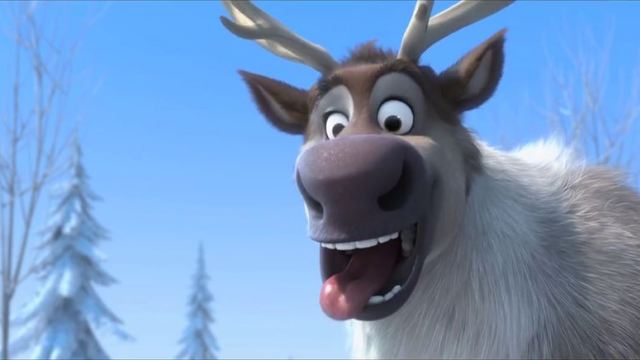
A strong year for Disney animation, this is a return to classic values in every sense. As well as being a very loose adaptation of a Hans Christian Andersen story, it’s an old fashioned musical with catchy Broadway-style tunes and one of the most appealing sidekicks in years in Josh Gad’s naive snowman Olaf. Kristin Bell shows hitherto unseen musical talents and provides a worthy counterpoint to Idina Menzel’s angsty warbling. While the animation is solid without being showy, the evidence of the two audiences I saw this with (once alone for reviewing purposes and a second time with Mrs Evangelist) showed that the younger members of the audience were fully invested and absolutely entranced. With enough knowing humour to keep adults interested as well, this is Disney’s best for some time and while it’s not a daring revolution, it does have the occasional unexpected story wrinkle which drew audible gasps both times I saw it and had one small child shouting at the screen. Love it.
23. A Story Of Children And Film

It feels totally apposite when applauding so many great performances from young actors in film this year that this latest documentary from Mark Cousins should also make the list. Due for a wider release later this year, it’s an absolute must for anyone looking to expand their understanding not only of the role of children in cinema but of cinema as an art form in general. Cousins takes a twelve minute shot of his niece and nephew with a marble game and, with the help of editor Timo Langer and researcher Neil McGlone, weaves a compelling tapestry with clips of dozens of films, from the American mainstream to the outer reaches of world cinema. It helps that I don’t think I could ever grow tired of listening to Cousins’ relaxed brogue talking about film, but if you could then this is an ideal bite-sized chunk of film education.
(Incidentally, I had one of those marble games as a child and it was one of my favourite toys ever; if anyone knows where I can get one cheap without me having to go to the trouble of Googling it, do let me know.)
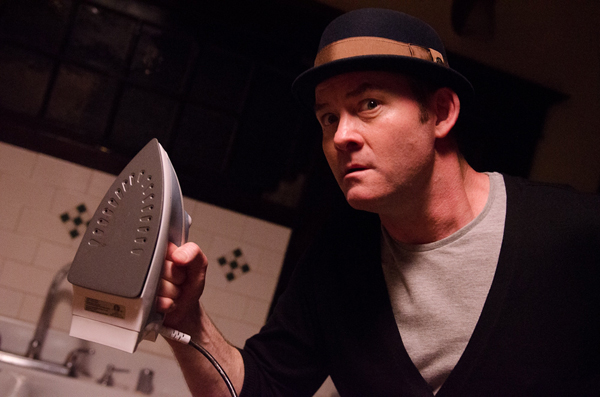
There’s no bigger thrill for me than seeing a film with a large audience that’s totally into it, and I saw Cheap Thrills as the late night screening in the Empire Leicester Square – an auditorium holding over 1,000 people until recently – and Cheap Thrills was absolutely worth the drive home from Leicester Square at half past one in the morning after a long day in the cinema. Once you’ve got past the novelty value of David “the other one from Anchorman” Koechner actually being given a decent role, an opportunity he grasps with relish, then Cheap Thrills judges the escalation of its simple scenario perfectly. It’s a high concept – rich man gets his kicks by offering two men desperate for money for completing increasingly twisted tasks – but one that provides laughs, drama and had 1,000 people clenched on the edge of their seats by the final act. It’s getting a limited US theatrical release in March after touring the festivals, and I hope it makes it to a cinema screen again in this country as it’s worth seeing with as big an audience as possible for its darkly comic thrills.

The first film I saw in 2013, and an excellent benchmark by which to judge the rest. I love photographic documentaries, and it’s an art form I’d love to explore in more detail. The richness and deep emotion of Don McCullin’s single frames are perfectly captured on screen, and the use of archive footage and new interviews also gives a valuable insight into McCullin himself, a man never content to be a passive observer of the horrors of the world he did so much to document. In an age when print media, the foundation for four decades of his work, is under threat, it’s to be hoped that there area still opportunities for the McCullins of this world to get their work seen, but this is a gripping examination of the power of the camera lens and its ability to shock and to challenge the viewer.
20. Beyond The Hills
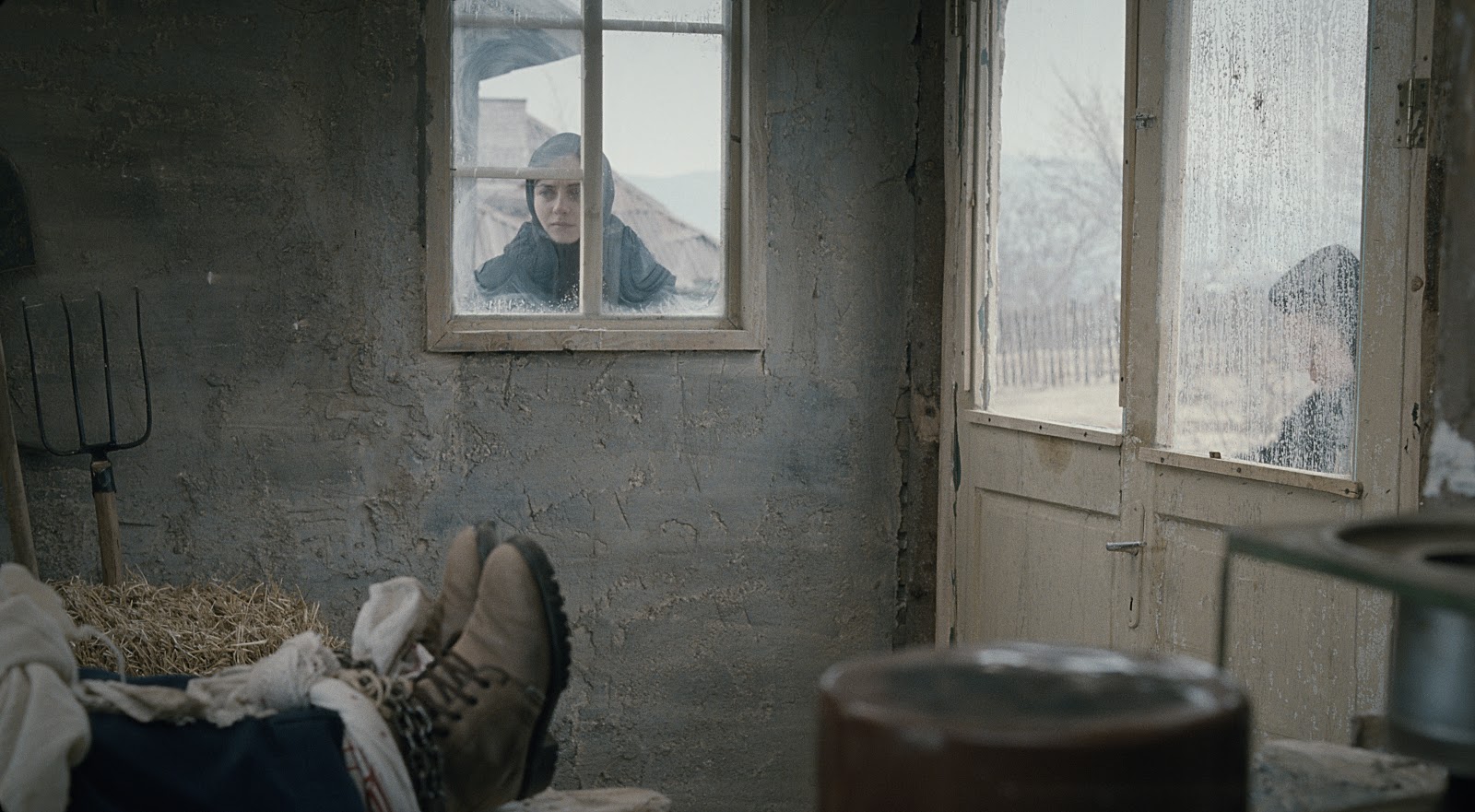
Cristian Mungiu’s latest is an examination of the place of the church in contemporary Romanian society, and what comes over initially as a condemnation of the facile view of the church and the potential effect on its believers, it gradually reveals itself as something much more complex. It’s drawn comparisons to Mungiu’s previous 4 Months, 3 Weeks and 2 Days, favourably for both its two strong female protagonists (in this case Cosmina Stratan and Cristina Flutur) and for Mungiu’s striking use of framing, superbly backed up by Oleg Mutu’s stark, earthy cinematography. It’s initially static and may be only for those willing to let their films breathe and find their space, but by the end its descent into a reality bordering on horror (all the more so for its inspiration in fact) is worth the effort for those with the patience.
19. Stoker
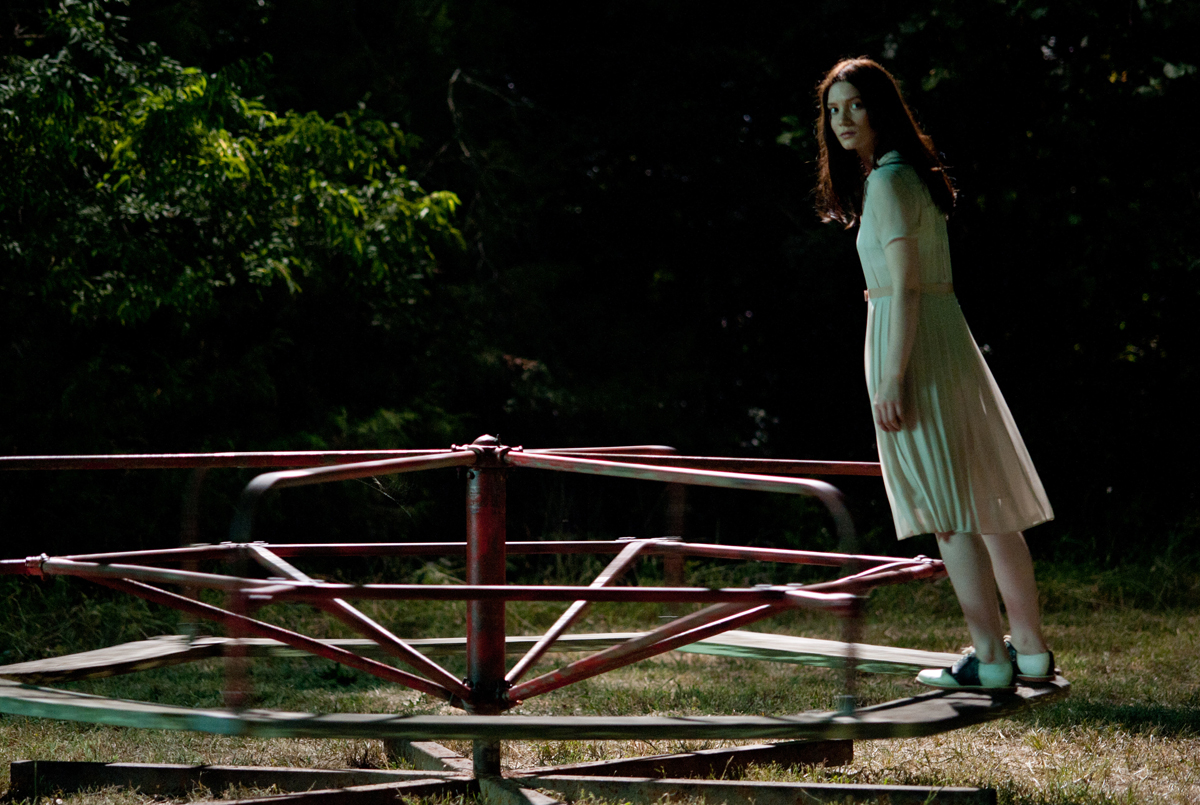
Many people were taken this year with Park Chan-wook’s first English language film this year, although a fair few were also alienated, either by the extensive drawing on the legacy of Alfred Hitchcock – Wentworth Miller, the unlikely screenwriter, has admitted the influence of Shadow Of A Doubt – or by finding the film style over substance. When the style’s this good, you could be forgiven for not being too concerned about the rest, but Park has a strong cast on top form willing to nudge a few boundaries and I fell into the camp in love with this quietly disturbed thriller. Clint Mansell’s brooding score helps the mood no end, but it’s Park’s powerful construction of imagery that lingers longest.
18, Lincoln
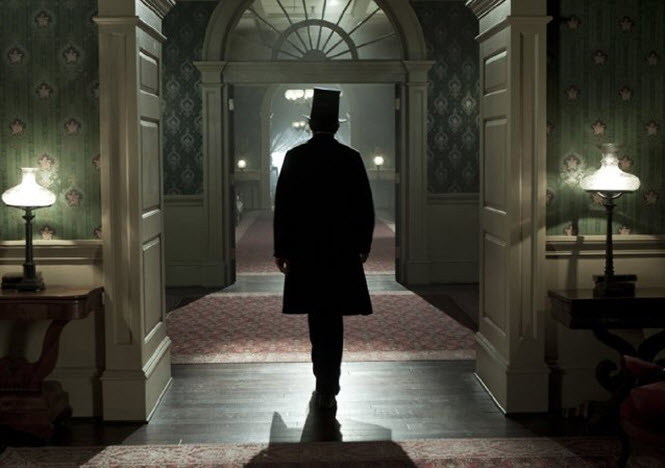
One performance towered over every other this year, with Daniel Day Lewis deservedly picking up a third Oscar for his portrayal of America’s finest elder statesman. Having started my 2014 cinema year yesterday with Idris Elba’s Mandela, it provides two interesting contrasts: firstly, where the Mandela biopic attempts to shoehorn fifty years of his life into a two hour run time, Lincoln shows the sense of focusing on a much shorter period, in this case the battle to bring in the Thirteenth Amendment. It also shows that, as good as Elba’s performance is as Nelson Mandela, it’s still recognisably Idris Elba acting. Day Lewis, infamously method and none more so than here, disappears into the role completely it feels more akin to time travel than watching a performance. Spielberg’s direction is satisfactory without being showy and John Williams’ score is predictable, but this is a showcase for yet another towering performance.
17. Nebraska

A step up for Alexander Payne after the somewhat morbidly obsessed The Descendants, it came as a shock to me at the end of the film when the credits rolled and Payne wasn’t listed as the screenwriter. However, the material is a perfect fit for his sensibilities and his casting is impeccable; it would be difficult now to think of anyone other than Bruce Dern or Will Forte filling those roles, despite the likes of Robert Duvall and Jack Nicholson (for the father) and Bryan Cranston and Matthew Modine (for the son) being shortlisted. The black and white cinematography is a good match for Payne’s tale of squashed optimism in the American midwest, a collection of tortured souls with a still-beating heart that binds them together.
16. Captain Phillips

In reviewing films, I always aim to come to a judgement based on a single viewing, and often have a figure in my head for the final score out of ten very early on. It’s safe to say that the last fifteen minutes or so of Captain Phillips may have put as much as two points on the final score of Paul Greengrass’ latest, and if there was an award for Most Valuable Player in film this year, Tom Hanks would be a strong candidate. He gets a variety of opportunities to remind you why he’s got two Oscars in the trophy cabinet back home, but Greengrass builds an atmosphere of unbroken tension amid his military fetishism to give Hanks’ performance the platform it needs.

My favourite horror of the year, which first played at Frightfest and which I caught in their stream at the Cambridge Film Festival this year. It’s an almost pitch-black comedy with undertones so dark they have their own gravitational pull, as two Israeli film makers, Aharon Keshales and Navot Papushado, take three horror or drama stock characters – the father out for revenge for his daughter’s death, the suspected perpetrator and the bent cop willing to go outside the law to bring him to justice – and throws them together in unexpected ways. Frequently tense and with flecks of absurdity, it’s a fantastic calling card for Keshales and Papushado and is recommended for anyone who likes their horrors tart and uncompromising.
14. Upstream Colour

In my earlier list of films I’ve not seen, I didn’t mention To The Wonder; I’ve struggled so much with Terrence Malick’s last two films that it may be the only film I consciously avoided this year. Upstream Colour drew comparisons with Malick’s work for the composed beauty of many of its shots and for the sparse dialogue for much of the running time, but in terms of it’s plotting it couldn’t be further removed from the deliberate obfuscation of Malick’s constructions. Imagine instead a lengthy Malickian epic edited down to a breezy ninety minutes and with only the relevant information from any scene retained. Challenging but ultimately rewarding, it’s in direct contrast to Shane Carruth’s previous film Primer which was far more enjoyable to think about afterwards than it was to watch. Thankfully Upstream Colour succeeds both in the moment as well as lingering and provoking for days afterwards.

One of the biggest disappointments of my year as a member of a cinema audience is the complete lack of people who came to the first screening of Lucy Walker’s latest documentary at the Cambridge Film Festival this year, perhaps put off by the thought of a collection of dunderheaded snow jockeys eulogising their sport for an hour and a half. But The Crash Reel is something entirely different, a cautionary tale and a crushing indictment of the culture that surrounds snowboarding and the pressure on its participants to perform increasingly dangerous stunts for entertainment, often at the risk of their own health and all too often at the cost of their own life. At the core of The Crash Reel is the story of Kevin Pearce, who suffered a traumatic brain injury just prior to the last Winter Olympics and the struggles of his family, including his father and his brothers (one of whom has Down’s Syndrome) to get Kevin to come to terms with what’s happened. Impossible to watch extreme sports in the same light once you’ve seen this.
12. The Kings Of Summer
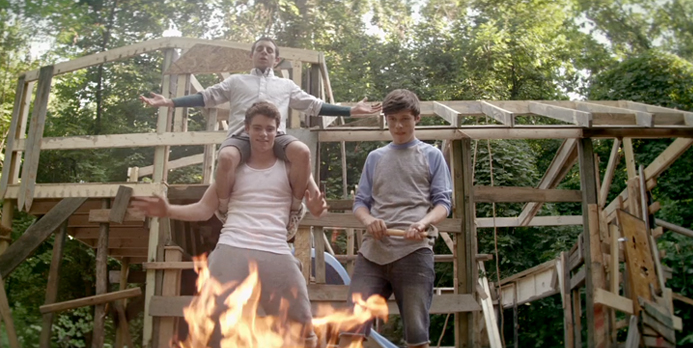
Yes, it’s another teens in summer movie, but what helped The Kings Of Summer to stand out from the crowd was the tight script, with some of the year’s most quotable dialogue, and the excellent performances. Nick Offernan and Megan Mullally are particular highlights among the parents but the year’s best comic creation has to be Moises Arias’ Biaggio, with his talk of disillusioned bears and his unconvincing camouflage. Jordan Vogt-Roberts’ direction and Chris Galletta’s script capture sublimely both the attempts to avoid the ennui of the summer holidays and the frequent, compelling absurdity of childhood that is often lost as we pass through adolescence.
11. Prisoners
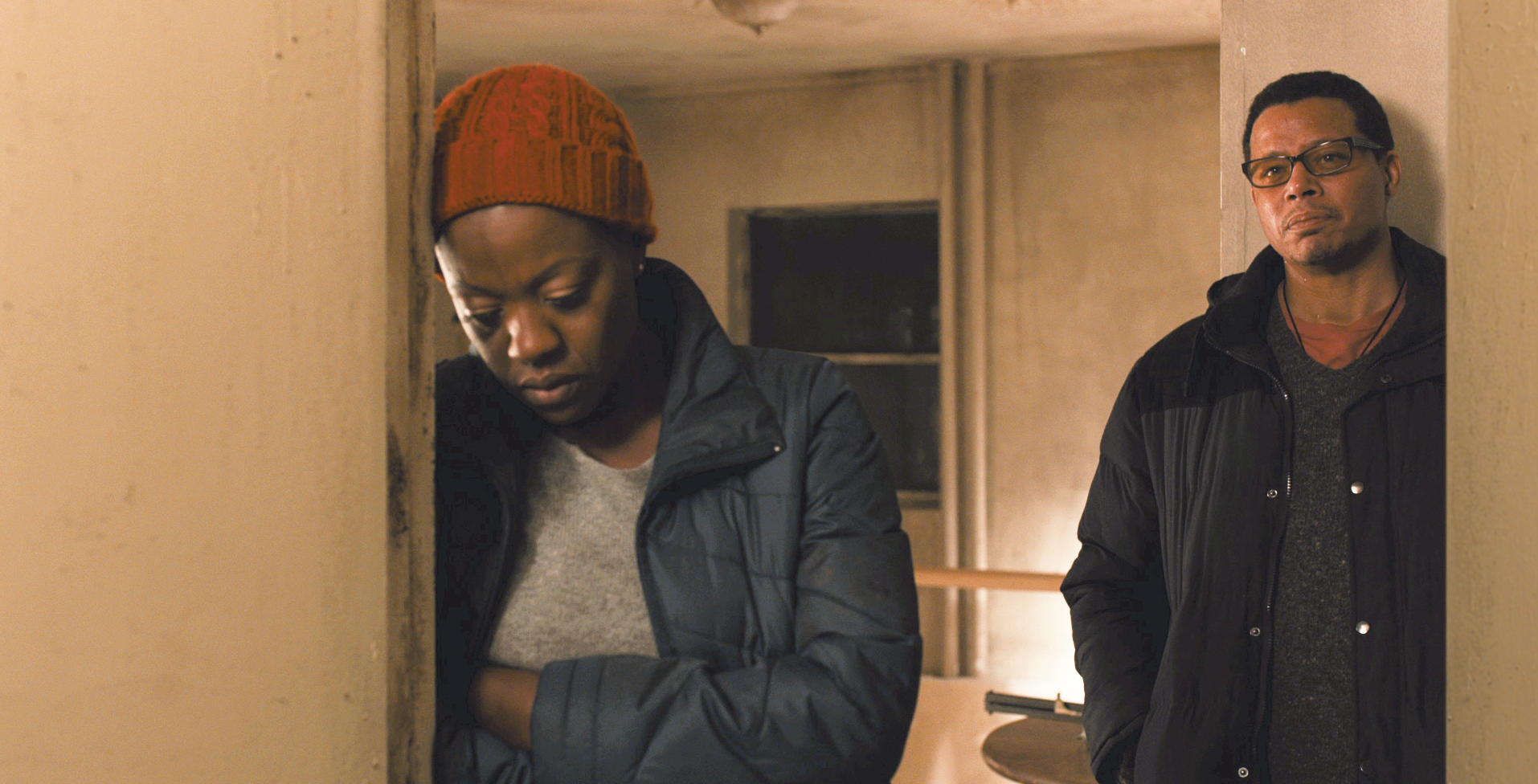
The trailer made it look like another generic Hollywood thriller, but anyone familiar with Denis Villeneuve’s Oscar-nominated Incendies will have expected more, and hopefully won’t have been disappointed. An all-star cast all get at least a moment for their acting showreels, but its the tortured yin and yang of Hugh Jackman and Jake Gyllenhall that propels Prisoners forward. Never feeling overstretched at two and a half hours, Villeneuve’s confident and gripping thriller isn’t afraid to look into its own soul and to grapple with what it finds in there, capped off with an ending that retains ambiguity without feeling a cheat.
10. Side Effects
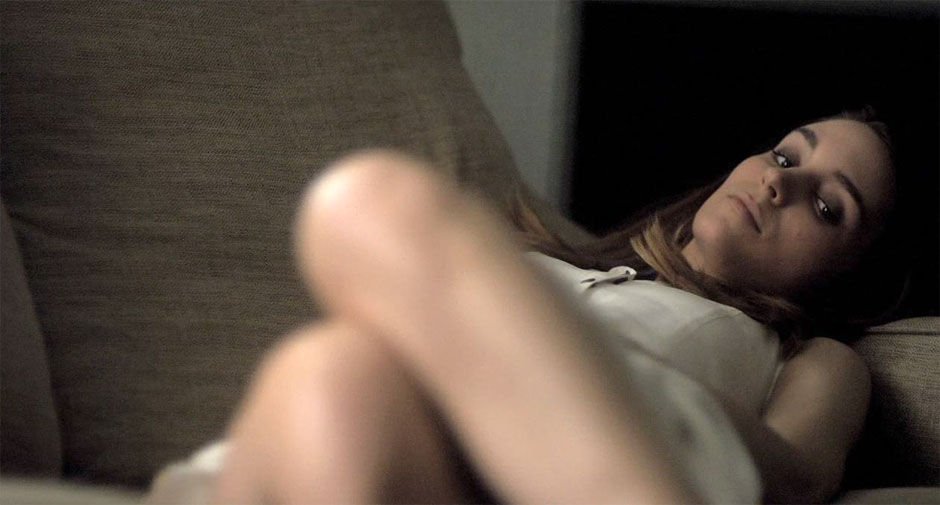
Dear Steven Soderbergh, if you have retired from directing then thanks very much for one of the most varied and enjoyable careers of the last few decades. If you decided to leave people wanting more, then Side Effects was the best way to go about it, a psychological thriller with more twists and turns than a Curly Wurly left out in the sun and just as much of a deliciously naughty treat. It manages to use big themes and turn them into window dressing, but never at the expense of them or the plot. If you feel you might still have it in you for one or two more films of this calibre, even a few years down the line, we’d remain most wholeheartedly interested. Yours faithfully, your audience.
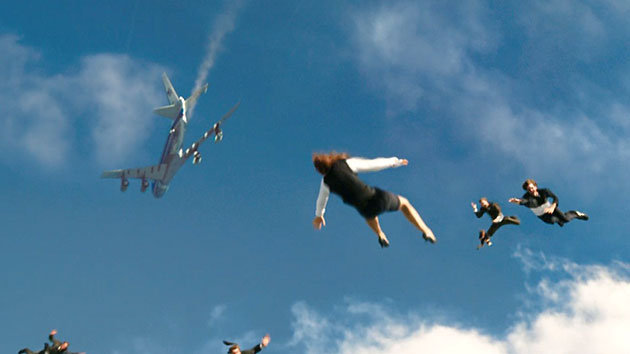
I caught a few minutes of the Tim Allen film The Shaggy Dog on TV over Christmas, with a hyper and excited Robert Downey Jr. slumming it in a criminal role (in more than one sense of the word). It seemed as if Kiss Kiss Bang Bang wouldn’t fulfil its potential in reviving Downey Jr’s career, but here we are just seven years later, reunited with Shane Black and now one of the world’s most bankable stars, thanks in no small part to ol’ Shiny Helmet himself. Iron Man Three is not only the best of the Iron Man movies (standing equal with the first hour of the original), but overall betters anything so far to come out of the Marvel machine since the Avengers programme started and if any of the slate of the next two years matches this quality, we should be loudly satisfied.
8. The Great Beauty

I turn 40 next month, and Mrs Evangelist has some form of surprise up her sleeve. It will have to go some to top my thirty-fifth birthday, a week spent in Rome and a visit to the Vatican on the day itself. (The next day we went to the Coliseum, only to find it closed due to strike action. That’s Rome for you.) The Great Beauty captures a variety of facets of this cosmopolitan city to startling effect, and as a whole becomes greater than the sum of its not insignificant parts. Hands up, as part of my film education programme I’ve still not seen any Fellini – hopefully this year – so I may not have the basis for comparison of a learned film critic, but The Great Beauty thrilled and tantalised me in equal measure.

The most divisive film of this or many other years, it appeared on both The Guardian and Little White Lies top 10s of the year, but also popped up in Empire’s worst of the year list. It’s a completely different beast to Nicolas Winding Refn’s previous run-out in Drive, although the uberviolence, Ryan Gosling and a throbbing, pulsating score from Cliff Martinez all make a return this time. They’re joined by a heap of Thai-themed style, a dragon-like Kristin Scott Thomas and an angel of vengeance with a magically appearing samurai sword. It’s a film to be absorbed rather than enjoyed and its pleasures are none more guilty, but I gleefully drank in every seedy frame.
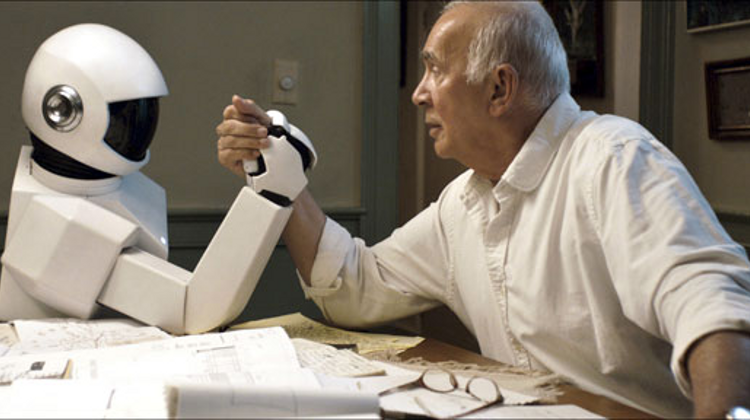
When I first started blogging, I had a private concern that some of my opinions were too far from the mainstream to be of any use. (Actually, my choices do tend to line up with the general public and with film critics, so if anything my concern should be that I’m not differentiated enough to be of value.) But in the final analysis, all you can do is be true to yourself, and in that I was completely smitten by the relationship between a cantankerous, barely retired thief and his unlikely artificial manservant. Frank Langella is outstanding as the forgetful septuagenarian who forms a begrudging bond with his iButler, and Jake Schreier’s direction and the supporting cast complement rather than detracting. It might not be well remembered by later generations, but it found a firm place in the heart of this one.
5. Before Midnight
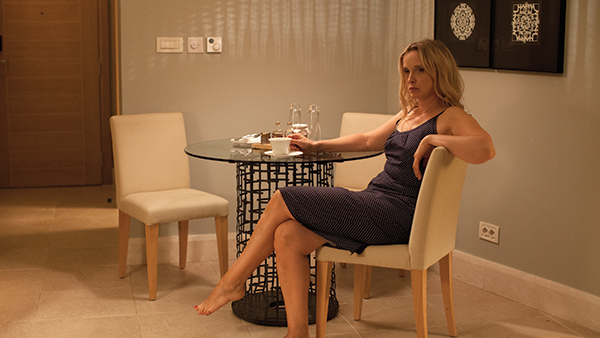
Never having seen them before, I consumed all three parts of the Before trilogy in the space of a single day this summer. Taken together, they form one of the most compelling movie trilogies of all time; on its own terms, Midnight shows that Richard Linklater and his stars aren’t too attached to the magic of their earlier work to allow a welcome dose of reality to intrude. Hawke and Delpy are both a little more weathered and abrasive, both now verging on unsympathetic at times, and once again we are presented with a moment in time in the lives of these two which leaves a feeling of hope, this time tinged with a touch of sadness but all the stronger for it. I for one wouldn’t object to another catch-up in nine years if it can be as honest and open as this.
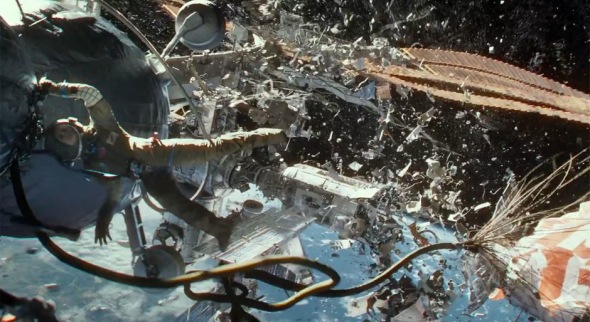
Yes, it’s giant spaceships exploding in 3D in a manner which Michael Bay probably fantasises about every night in bed, but it’s filtered through the keen eye and expertise of Alfonso Cuaron, now master of the long take, and built on a seemingly simple tale of clinging to life that seeps itself in metaphors of discovery and rebirth. I might still be having nightmares about falling out of space thanks to the dramatic opening sequence, but the character moments – such as Sandra Bullock’s desperate attempt at conversation with a fisherman – are their equal and Bullock and Clooney defy the technical straitjackets imposed upon them to deliver compelling performances. But how many more films will need to be released that claim to prove the benefits of the 3D format before other directors start to learn the lessons of how to shoot in the format?
3. The Selfish Giant
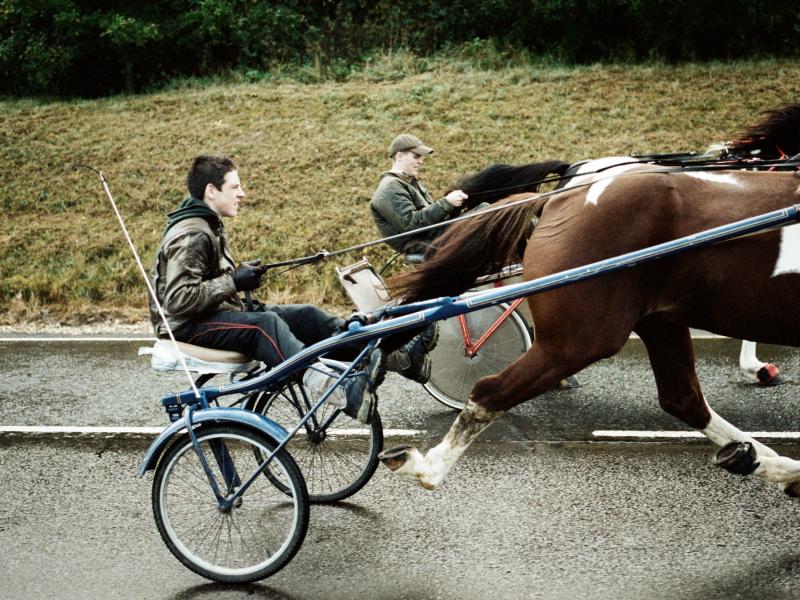
The best British film of the year, and a clear sign that Clio Barnard is now a force to be reckoned with in British film making. Coupling the social realism that’s such a staple of British cinema with both a sense of beauty, turning the British countryside into an ethereal wilderness, and at times a sense of urgency. There’s tragedy here, and it’s the only film of the year that had me properly in tears – a far cry from 2010 when I would practically weep at the opening of a bag of popcorn – but there’s also a gleefulness and a celebration of the exuberance of youth. The Selfish Giant is a towering achievement (sorry) and yet another film that stayed with me for days, if not weeks, afterwards.
2. Django Unchained

When seeing a link to it online earlier this year, I was amazed by just how much of the Django script didn’t make it to screen as by what did. There’s no doubt that Tarantino’s scripts are up there with the best of them, every line of considered dialogue having a point to make and nothing wasted, but this might be the best cast yet put together for a Tarantino feature, with Jamie Foxx just undergoing the right journey in the title role and with Christoph Waltz, Leonardo DiCaprio and Samuel L. Jackson all worthy of awards consideration for my money. If you can overlook Tarantino’s two cameos, the second of which – saddled with an Aussie accent of sorts – is especially fourth wall breaking, then for my two cents Django stands right up there alongside Pulp Fiction and Kill Bill Vol. 1 with the top tier of Quentin’s films.
1. The Act Of Killing
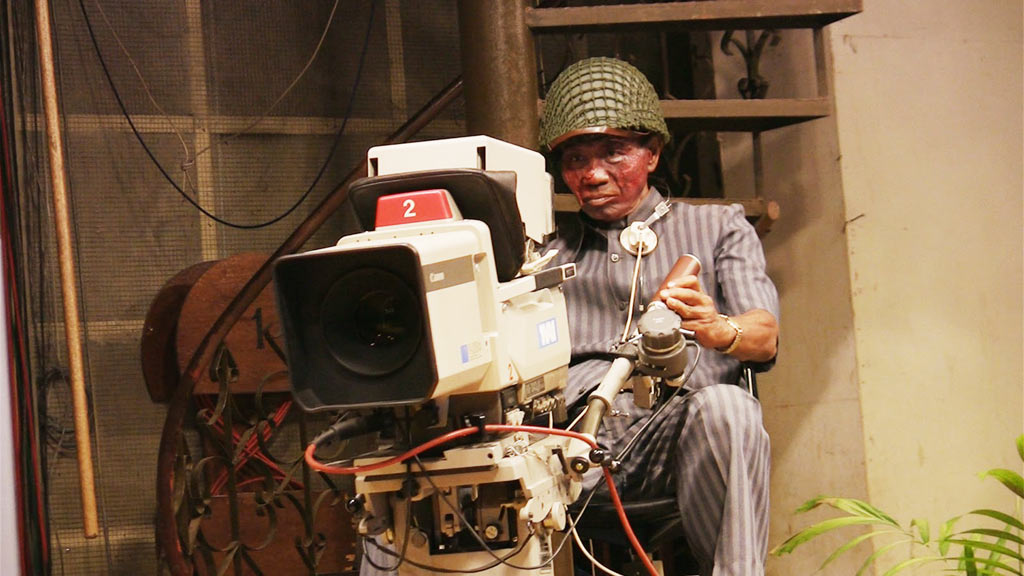
Over the course of the previous thirty nine films on this list, we’ve considered the varied power that film can exert on its audience. But my top choice this year goes much further than that, having exerted a profound and astonishing effect on its subjects and one which may, in the fullness of time, have an impact on the very nation it portrays. Joshua Oppenheim’s documentary… actually, there may need to be a new word for whatever this is because the dictionary defines a documentary as, “using pictures or interviews with people involved in real events to provide a factual report on a particular subject” and this goes so much further, as very few documentaries have ever done with such power, passing beyond the objectivity of documentation and staring directly into the heart of its subjects, then directly challenging them to the very core of their beliefs.
If all The Act Of Killing succeeded in doing was documenting the appalling atrocities of the Indonesian genocide that started in 1965, it would be an achievement. To then show how the perpetrators not only go unpunished but effective still see their actions influencing the politics of modern day Indonesia is shocking. To get those perpetrators to act out their crimes in a manner varying from gangster film to hallucinogenic musical is deeply compelling. But then to bear witness to the dramatic effect that achieving an understanding of their crimes has on them is by turns angering, sobering and perversely gratifying. The Act Of Killing is a stunning achievement and richly deserves all of the plaudits so far applied to it, and it is by some distance my film of 2013.
Comparison of this year’s films
As a footnote, this table shows the UK box office (where available), the IMDb user score and the Rotten Tomatoes critic score for each of the films in this year’s list, so you can see how my judgement compares to popular and critical opinion.

Previous years:
Review Of 2013: The Top 25 Performances Of 2013
It’s time once again to consider the on-screen talent, those men and women who inhabit creations of writers and directors so effectively as to transport us into their world. Once again, I’ve made no distinction between men and women, or between lead and supporting roles (although I have picked out ten notable performances from younger actors), these are just the 25 performances I felt did most to enhance the films in which they appeared.
The one notable separation does come down the line of the sexes: in the past two years, men have made more appearances than women, winning 15-10 in 2011 and 17-8 last year. This was offset by the top performance being female in both cases. Sadly this year, the boys make it a hat-trick of wins with a 15-10 win, and as you’ll see once you’ve got to the bottom, they’ve taken three of the top five spots as well, including the number one. Here’s hoping that, next year, there are enough decent female roles to give the fairer sex a chance of winning this list for once.
25. Andrea Riseborough, Oblivion

We’ll start with the only person to appear on all three of my best performance lists, one of this country’s finest actresses who dipped her first toe into the blockbuster pool this year. Not surprising, given that Tom Cruise has shown a consistent career pattern for matching himself up with high calibre opposition in the acting stakes, and Riseborough acquits herself beautifully as the wife who turns out to be more than meets the eye; she’s the standout in a cast of fine actors delivering so-so performances.
24. Jessica Chastain, Zero Dark Thirty
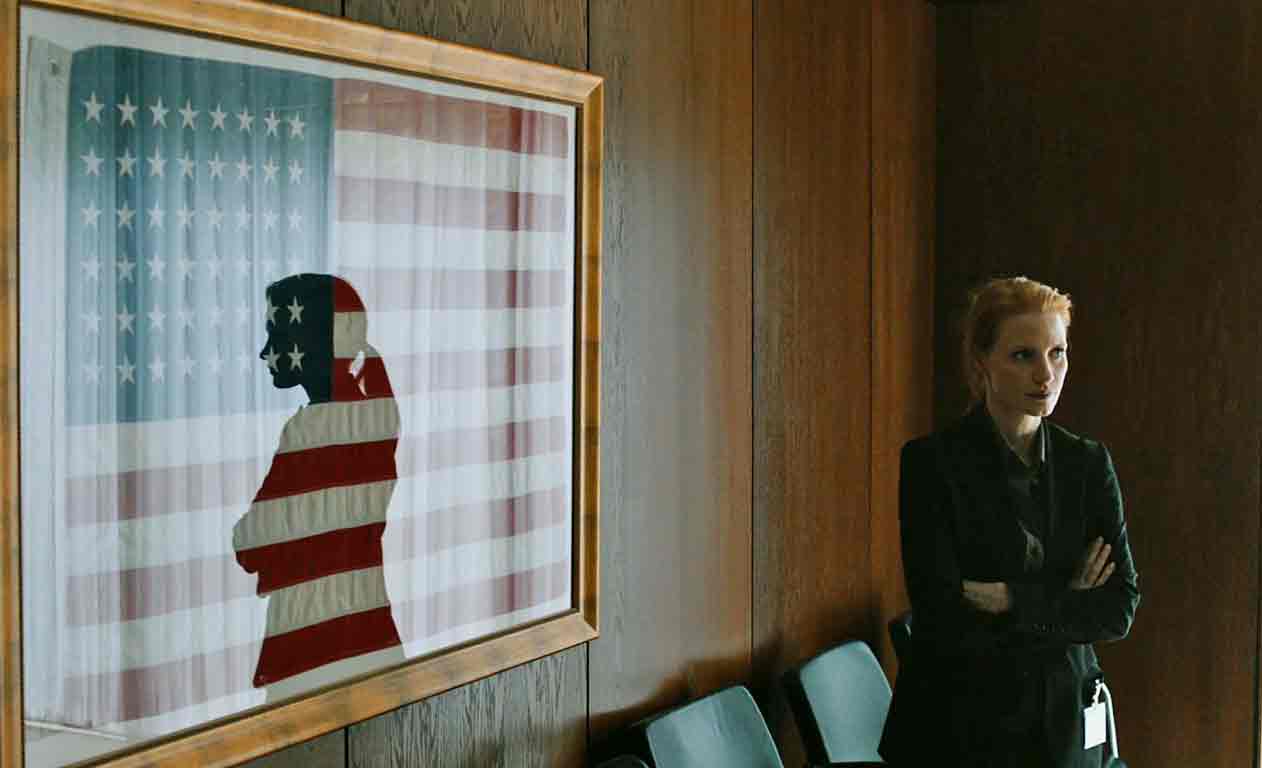
Whatever you think of the politics, and to my mind the most generous view is that ZDT fudges the issue somewhat, the solid iron core of Kathryn Bigelow’s latest is Jessica Chastain’s hypnotic performance. Determination shines through, but there’s never an opportunity to descend into histrionics; instead, Chastain has a controlled urgency and steel that will carry the film through. Would have been interesting to see how this panned out had Bin Laden not been killed during the film’s development, thus creating an entirely different ending.
23. Sam Rockwell, The Way Way Back

You want easygoing charisma, but with someone who can deliver heart as well? Sam Rockwell’s your man, baby. With Steve Carell playing against type and most of the rest of the cast delivering solid work, the standouts are the park workers who take Liam James’ Duncan to their hearts. While both Nat Faxon and Jim Rash, the film’s creators, deliver noteworthy performances in support it’s Rockwell who’s the main man, in every sense.
22. Simon Pegg, The World’s End

One of the most notable facts of the Cornetto trilogy is how much the actors appearing in multiple films have been able to vary their characters between films. The reluctant heroism of Shaun Riley and the relentless orderliness of Nicholas Angel have here been replaced by a Simon Pegg that’s scruffy, unkempt, fairly loathsome and somewhere past redeemable, but Pegg still manages to find enough greasy charm to keep him at the heart of this apocalypse in waiting, and by the end you’re rooting for him despite yourself.
21. Will Forte, Nebraska

It’s the two older members of the family, Bruce Dern and June Spirgg, that are so far getting all of the awards attention, but you only need to go back and watch MacGruber – Will Forte’s ill-advised Saturday Night Live sketch upgraded to the big screen – to realise what a stretch David Grant could have been. Instead, Forte imbues his devoted sun with a world-weariness but a commitment to his family and gives Dern and Sprigg the chance to walk away with the bigger moments. Hopefully this won’t be a one off for Forte now he’s proven he can do it.
20. Julia Louis-Dreyfuss, Enough Said
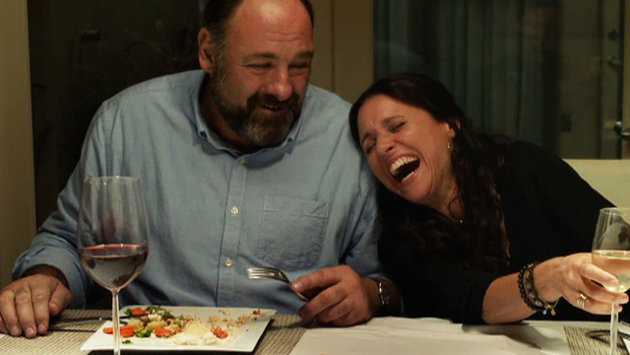
While James Gandolfini has been taken from us too soon, and his performance here is a fitting close to a great career, the biggest achievement of Enough Said is to get me to like Julia Louis-Dreyfus. I don’t know what it’s been about her performances in the likes of Seinfeld (and admittedly I haven’t seen Veep), but here she’s charming and affable, despite her character’s more misguided choices at various junctures. Might be time for me to revisit some of her earlier work.
19. Robert Redford, All Is Lost
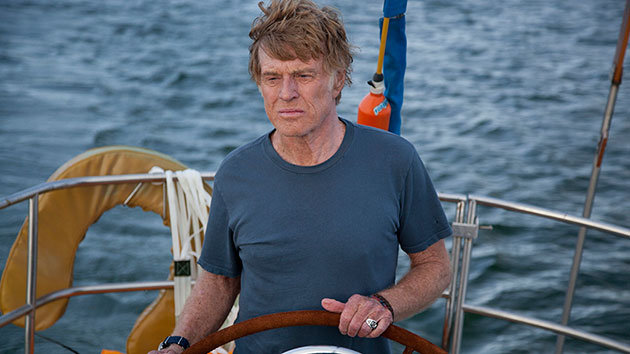
When you’ve got one actor in your film with just a handful of lines, you’d better make sure he’s worth looking at. You’d probably struggle to do better than J.C. Chandor did in getting Robert Redford on board, strong enough to be able to build his performance from tiny gestures and small actions. Oh, and getting to bellow the f-word once near the end. But I could stare into the weathered crags of Redford’s face all day.
18. Daniel Bruhl, Rush

Once again, stealing away the true honours from underneath Chris Hemsworth’s necessarily more showy performance as James Hunt, Daniel Bruhl’s Niki Lauda is the – if you’ll pardon the pun – driving force of Ron Howard’s typically emotional but surprisingly effective look at when Formula One was a bit more interesting. It’s to Bruhl’s credit that your sympathies don’t all sit with Hunt, and he manages to retain his bristly edges while having the more interesting relationship. (And was it just me, or did you not recognise Olivia Wilde as Hemsworth’s wife?)
17. Matthew McConaughey, Mud
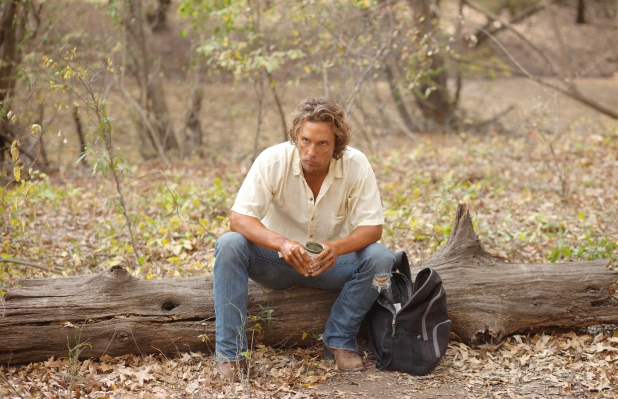
2014 looks like being another peak in the Matthew McConaughey Career Renaissance™, from Dallas Buyers Club to Christopher Nolan’s Inception. But the last few years haven’t been so bad either, and McConaughey follows up last year’s deliciously evil turn in Killer Joe with this more amenable, but still layered, turn in Jeff Nichols Twain-like exploration of the characters around the Mississippi river. He’s backed up by a great cast, with everyone from Michael Shannon to Reese Witherspoon turning in decent work and the young actors (saluted in that top 10) both excellent. Yet McConaughey still manages to steal the show.
16. Ben Kingsley, Iron Man Three

On the off-chance you’ve not yet seen Iron Man Three or been spoiled by reading the internet, I won’t blow the game here, but Ben Kingsley’s performance was one of the most unexpected delights of a mixed summer of blockbusters. While everyone was keen to see the pairing of Robert Downey Jr. and Shane Black reunited, and it didn’t disappoint, it was Sir Ben who helped elevate this to the position of the best movie yet to come out of the Avengers franchises.
15. Leonardo DiCaprio, Django Unchained

Given the heightened sense of reality that exists in this, as much as any of Tarantino’s epics over the years, it’s no surprise that the actors really get to go to town. In a wider field than five, it would have been easily conceivable to see the names of both Leo and Samuel L. Jackson nominated alongside eventual Oscar winner Christoph Waltz. All three performances are remarkable, but for me it’s DiCaprio, continuing his run of films I actually like him in (stretching back to 2010’s Shutter Island), his was the most memorable role for my money.
14. Greta Gerwig, Frances Ha

While I didn’t completely fall for the charms of Frances Ha, with neither enough knowledge of the French New Wave or the subsequent films which inspired this, Frances herself still had an undeniable charm, even among the anarchy of her disintegrating life. Gerwig has graduated from the mumblecore but still retains an element of fragility, but this is a Frances who would like to put her life back on track – if only she could work out which track.
13. Kristin Scott Thomas, Only God Forgives
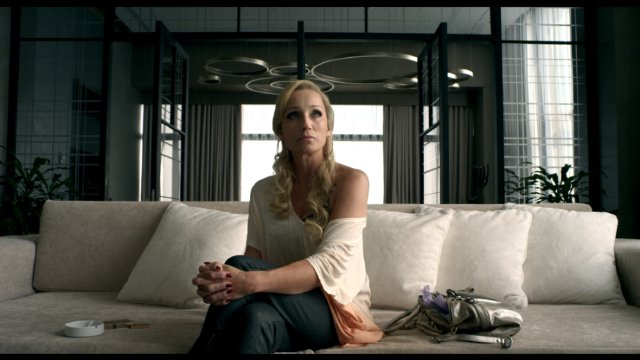
Thanks to the vagaries of distribution, I probably see more French films in a year than I do British films. That said, I probably see more French films with Kristin Scott Thomas in a year than I do British films. While both she and the films are normally well worth watching, it’s been great to see Kristin out of her comfort zone this year, and sinking her teeth into the role with such relish. Her memorable shrew dominates the film, and while Ryan Gosling elevates brooding to an art form, it’s Scott Thomas that most will remember of the English speaking actors when the credits roll.
12. Jude Law, Side Effects
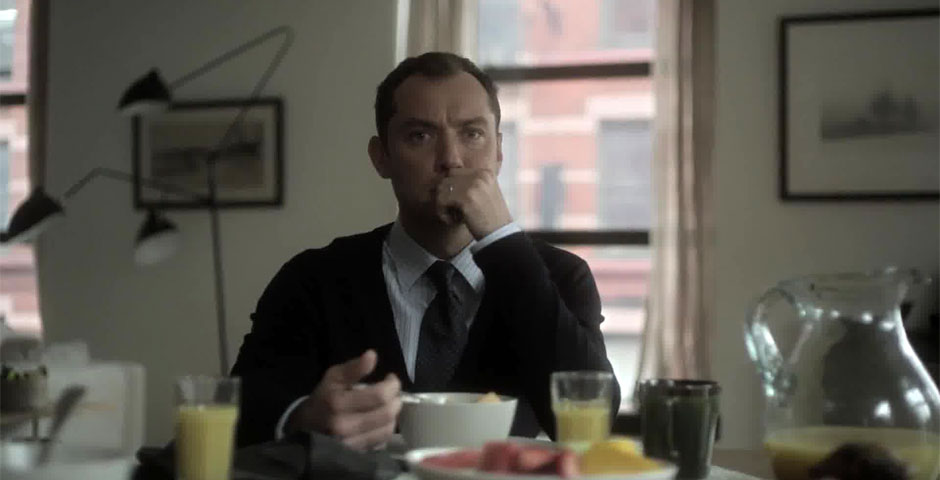
It’s been a year when people have been willing to set aside their preconceptions, most famously when Mark Kermode admitted Gravity should be seen in 3D. I will hold my hands up and say that I would have put money on going my entire life without seeing Jude Law in one of these lists. Thankfully putting the dodgy Australian accent of Contagion behind him, his latest collaboration with Steven Soderbergh sees him filling out the kind of role that Cary Grant or James Stewart would have taken six decades ago. Law is magnetic as he seeks to claw back his life, and Rooney Mara’s also worth a mention.
11. Sally Hawkins, Blue Jasmine
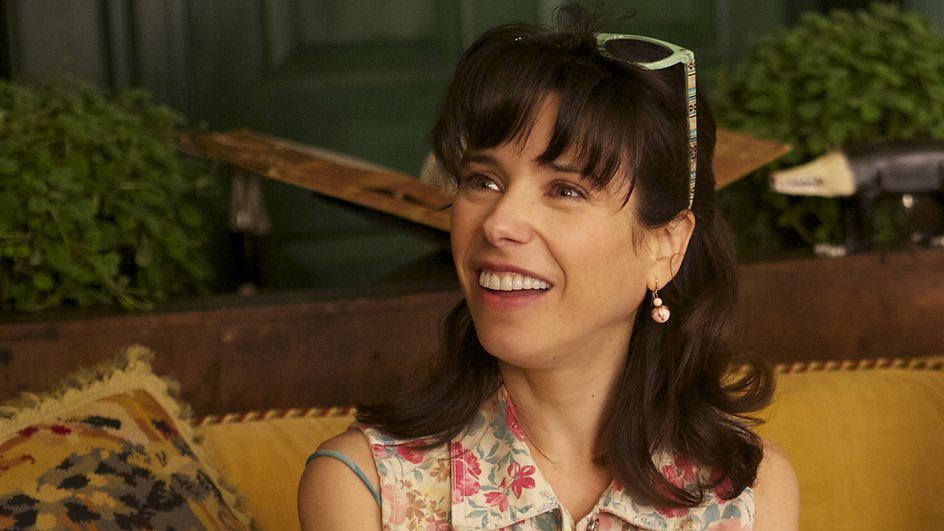
Welcome to the blog of seemingly the only person in the universe who didn’t enjoy Cate Blanchett’s performance in Blue Jasmine. There are plenty of performances of note in the film, from Andrew Dice Clay to Bobby Cannavale, but in the midst of them Blanchett felt too earnest, too actorly for me (and I know many would say I’m missing the point, that that’s what she was supposed to be, but it didn’t engage with me). The one performance which really did is Sally Hawkins’ more naturalistic turn as Jasmine’s sister Ginger. I was surprised to discover Hawkins is two years younger than me, but I mean that as a compliment.
10. Brie Larson, Short Term 12

More top quality performances than you can shake a stick at in Destin Cretton’s Short Term 12, although I do wish Cretton hadn’t quite wrapped everything up with such neat bows at the end. That doesn’t detract from any of the performances, but Larson takes her opportunity to showcase her talents. While I appreciate what he was going for in Don Jon with the silent sister, when you see what Larson’s capable of here it’s a crying shame that she didn’t get more to do there.
9. Sandra Bullock, Gravity

We may never truly know the extent of the challenge Sandra Bullock faced here, but with the acting constrained to hitherto unseen levels by the technical demands of making the space environment realistic, it’s to the testament of Bullock that she still manages to deliver a gripping performance within the confines of Alfonso Cuaron’s technological bubble. She’s well complemented by George Clooney, but Bullock proves that her The Blind Side Oscar was no fluke. (We’ll overlook The Heat and the possible proof that her Razzie was no fluke either.)
8. Hugh Jackman, Prisoners
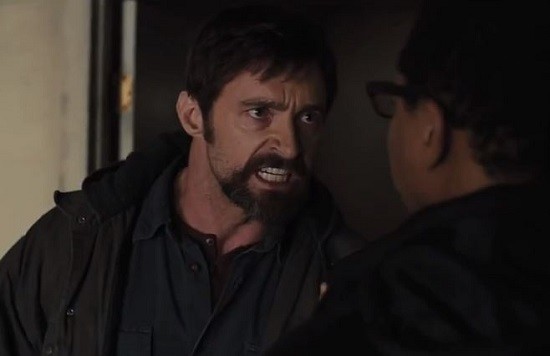
His most memorable turn might have been as Jean Valjean in award-bothering warblefest Les Misérables, but Jackman managed to channel the same amount of raw power into the unlikely named Keller Dover. Denis Villeneuve put together a cast of wall to wall quality and most of the adults – including Jake Gyllenhall, Maria Bello, Terence Howard, Viola Davis, Paul Dano and Melissa Leo – deserve a mention, but Jackman takes the honours. Special mention also for looking the most buffed of anyone ever in The Wolverine, in what’s been a good year for Jackman.
7. Michael Douglas, Behind The Candelabra
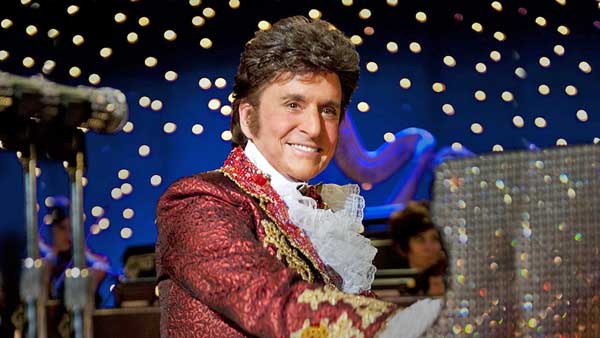
I’m old enough to just about remember Liberace appearing on our TV screens, and also just about old enough to witness my elderly relatives being utterly charmed by him. Michael Douglas captures perfectly the effervescence of Liberace’s public persona, but also carries off a compelling portrayal of the man out of the limelight. Matt Damon and Rob Lowe give variously solid and entertaining support, but this is Douglas’ show.
6. John Hawkes, The Sessions

When portraying a disabled real-life figure, the actor often has to go to extreme lengths to capture that, and John Hawkes risked permanent disfigurement in his attempts to portray poet and journalist Mark O’Brien. If that wasn’t enough, all O’Brien’s looking for is to see if his atrophied body is capable of having sex. Hawkes succeeds in making O’Brien sympathetic, his humanity shining through despite Hawkes’ performance being so limited by the restrictions of the physical disability he was portraying. In another year, this would have won a hatful of awards.
5. Anne Hathaway, Les Misérables

She’s on screen for barely ten minutes, but her performance dominates the film, almost unbalancing the first half, and wipes away any doubts that anyone might have had about Hathaway being a proper actress. In all the debates about whether or not Russell Crowe could sing (he can, he just doesn’t have the stage vibrato of the likes of Jackman), the one performance that took all the credit was Hathaway’s. We should all be thankful that the definitive I Dreamed A Dream is no longer Susan Boyle’s.
4. Tom Hanks, Captain Phillips

In the terms of the old footballing cliché, it’s a performance of two halves, Saint. The majority of Hanks’ performance is the defiant captain, attempting to keep his crew calm and to react as best he can to the invasion of Somali pirates. It’s all decent enough, but Hanks can do this stuff in his sleep. It’s the last fifteen minutes where Hanks truly reminds us why he’s already the holder of two Academy Awards, with a performance that quite literally took my breath away. It’s also testament to Paul Greengrass’ continuing ability to match big spectacle with quality performances, but it wouldn’t have worked without Hanks in the title role.
3. James McAvoy, Filth

Ever since he came to prominence on TV’s Shameless, James McAvoy has been looking for a showcase for his vast talents, and in Filth he may just have found it. Let loose to be as abhorrent as possible, McAvoy is a magnetic screen presence, always looking to up the shock factor and as comfortable with the black humour as the even bleaker drama. Also memorable in the slightly disappointing Trance, hopefully McAvoy will get a chance to add more layers to his young Charles Xavier this year in Days Of Future Past.
2. Adele Exarchopolous, Blue Is The Warmest Colour

You have to feel slightly sorry for Lea Seydoux, giving an astonishing performance but still managing to be slightly overshadowed by Adele Exarchopolous’s incredible portrayal of the twists and turns of young love. To be stripped bare physically is one thing, but the naked emotion that Adele shows in her relationship with Emma is the all-consuming heart of the film. I still maintain the same points could have been said in less than three hours, but if Exarchopoulos doesn’t get some recognition for this come awards season, then something is seriously wrong.
1. Daniel Day Lewis, Lincoln
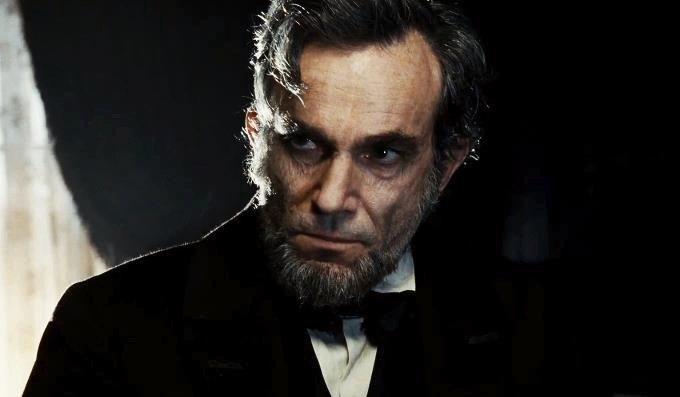
So, for the first time my performance of the year is won by a man, but there is a suspicion of cheating here. It’s difficult to believe that Steven Spielberg didn’t hop in a souped-up Delorean and head back to the 1860s, bringing back with him possibly the most revered American president with him. That Daniel Day Lewis is a great actor would never have been in question, but that Spielberg pursued him for almost a decade shows just how essential his performance is to the success of Spielberg’s Lincoln biopic.
It doesn’t feel enough to even say that Daniel Day Lewis IS Abraham Lincoln; Lewis inhabits every fibre and pore of Lincoln, and his usual meticulous preparation and method (no-one was allowed to talk to him in their natural accent on set, all having to effect their character when talking to him), but it results in a performance that was without equal over the course of the year. From acting in 20 films, he’s had five Academy Award nominations and three wins and he must surely qualify as the finest actor of his generation. Daniel Day Lewis IS Abraham Lincoln IS my top performance of 2013.
Previous years:
Review Of 2013: Top 10 Young Actors Of 2013
For the past two years, I’ve included a round-up of the top 25 performances of the year, regardless of whether it was an actor or an actress, and with no distinction between leading and supporting roles. I’ve always found it a little odd how Hollywood and others categorise their performances, with leading actors often shunted into supporting categories in the hope of recognition. However, having made no distinction myself in previous years, this year I’ve taken the decision to introduce a new category for young performances.
This split between younger actors and their adult counterparts isn’t a split made so often in the film world, but is one that occurs regularly in the fields of sporting endeavour. For me, it’s a chance to recognise up and coming performers, who will hopefully be making regular appearances in the adult performance rankings for years to come. It’s also, if I’m being honest, a sneaky way of having the opportunity of calling out performances of younger actors where an adult in the film has also made an impression, so you will see a few of these films appearing again in the top 25 performances of the year.
Other than that, the rules remain the same as the adult category: any film with narrative released in UK cinemas for the first time in 2013 is eligible, including any festivals I attended, but only one performance from each film is chosen and I make no distinction based on the duration of the contribution. Here’s my list of the 10 most impressive performances from actors and actresses under 21 at the time of production of each film.
10. Chloe Grace Moretz (Kick-Ass 2)

Chances are, if I’d been doing this list for a few years now Chloe Moretz would have been on it every year. She also popped up in the Carrie remake at the end of the year and was most likely contractually obliged to Movie 43 at the start, but her best role this year was as the heart and soul of the disappointing Kick-Ass 2. Her story arc was the more interesting of the film, and she even had a good go at making it look like she’d gone gooey-eyed over Union J, for which she probably deserves a medal. Not resting on her laurels, she’s got five films on the way next year, including new films from Lynn Shelton and Olivier Assayas and The Equaliser with Denzel Washington.
9. Ty Simpkins (Iron Man 3)
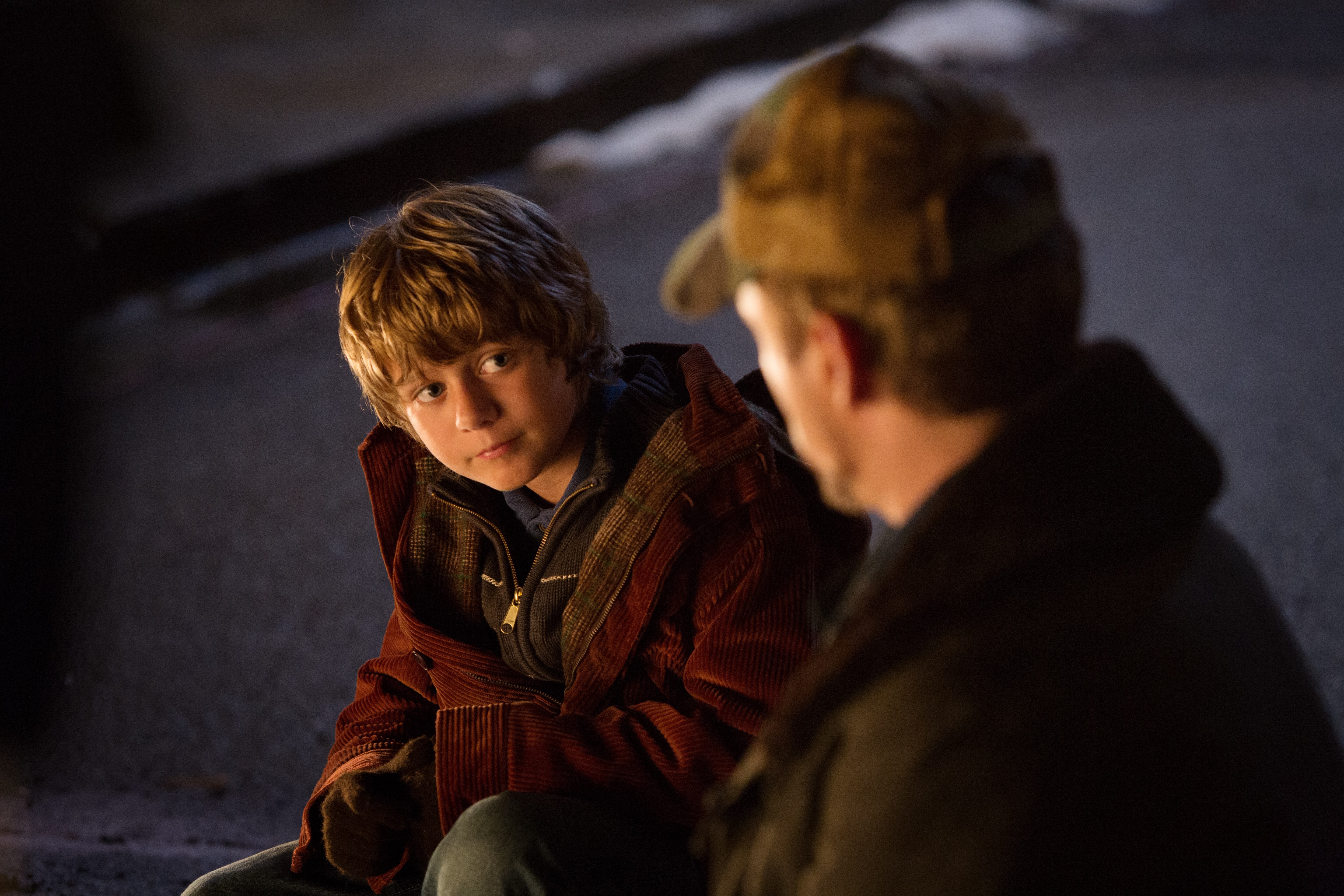
No easy task having to hold your own in scenes with the king of charisma Robert Downey Jr. but Ty Simpkins managed it. There’s always a risk that such child roles can feel fake, mawkish or insincere, but Simpkins managed it, helped just a little (OK, a lot) by the fact that his interplay with Downey is so effective. He’s also squeezed in a return to the Insidious franchise this year, and his next role will be facing down the velociraptors and T-Rexs in Jurassic World.
8. Liam James (The Way Way Back)
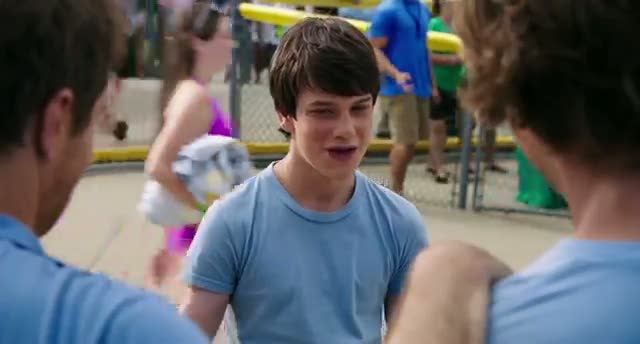
More of a TV actor than a film one up to now – his last film role was as John Cusack’s son in 2012 – James took his most prominent big screen role yet in Nat Faxon and Jim Rash’s warm tribute to the difficulties of adolescence. Seen through his eyes, James carries most of the film and gradually converts his sulky teen into a winning underachiever. In a film full of strong adult roles, it’s a tribute to James that he remains the centre of attention.
7. Saoirse Ronan (Byzantium)
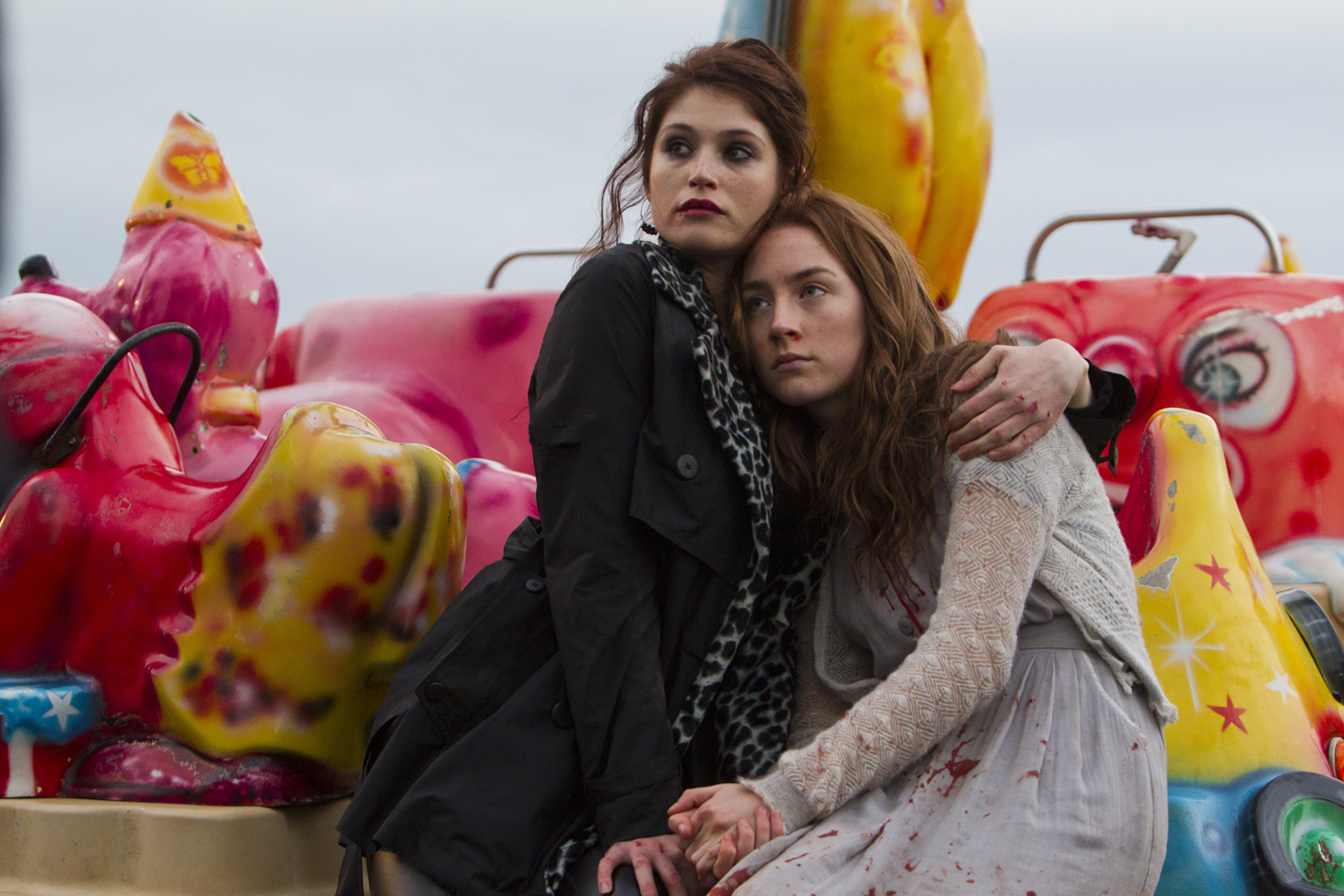
Another actress, like Chloe Moretz, on whom sit Jodie Foster-esque expectations of converting a strong child acting stint into a long and successful career. Since her breakout in 2007’s Atonement she’s remained consistently busy, also cropping up in The Host and How I Live Now this year, and it never feels a stretch to believe that she’s lived half a dozen lifetimes. She also has a believable relationship with Gemma Arterton, and Byzantium is much more successful than Neil Jordan’s last young-girl-in-a-vampire-flick Interview With The Vampire. For more of a Ronan fix, you can catch her next year in Ryan Gosling’s directorial debut How To Catch A Monster and Wes Anderson’s latest The Grand Budapest Hotel.
6. Kaitlyn Dever (Short Term 12)
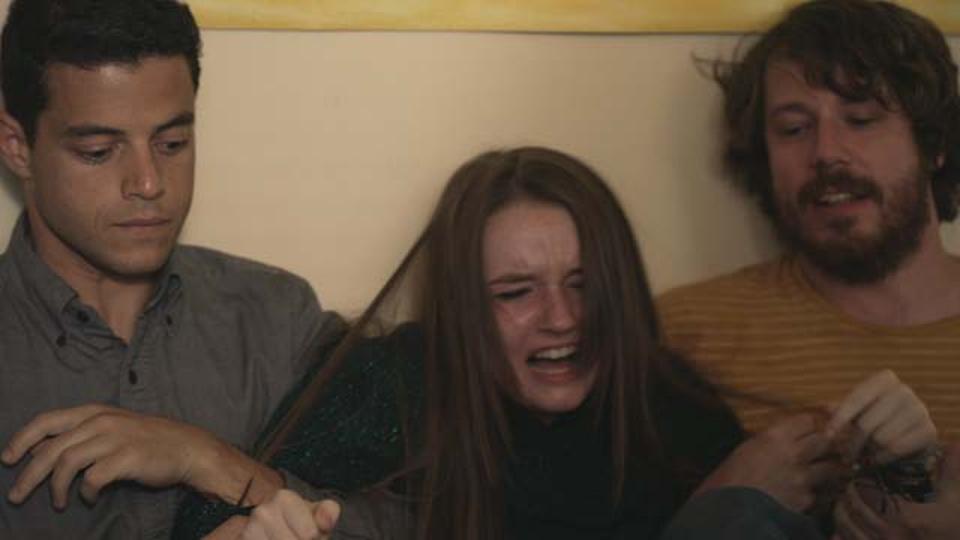
Difficult to pick a single performance from an exceptionally strong young cast (although made slightly easier by Keith Stanfield as Marcus being too old to consider for this category), but I’ve plumped for Dever’s peformance as the deeply troubled girl who forms a difficult bond with Brie Larson’s carer. Rising above moody teenage stereotypes, her Jayden is at once strong and fragile and Dever’s performance perfectly complements that of Larson. Dever will be back on screen alongside Chloe Moretz in Lynn Shelton’s Laggies in 2014.
5. Moises Arias (The Kings Of Summer)

The forgotten film of the summer, which was a shame as I found its coming of age story more affecting and also more entertaining than the more widely seen The Way Way Back. The central trio were all great, but while Nick Robinson and Gabriel Basso excel in the slightly more traditional roles of Joe and Patrick, it’s Arias as Biaggio that steals almost every scene he’s in, and probably a couple that he isn’t, but his superbly oddball creation is all the more effective for never unbalancing the story. Having served his TV apprenticeship on Hannah Montana and The Middle, hopefully this is his breakout movie performance. He also managed to squeeze in a voice performance in Despicable Me 2 and exuded menace as Asa Butterfield’s rival in Ender’s Game.
4. Eloise Lawrence (Broken)
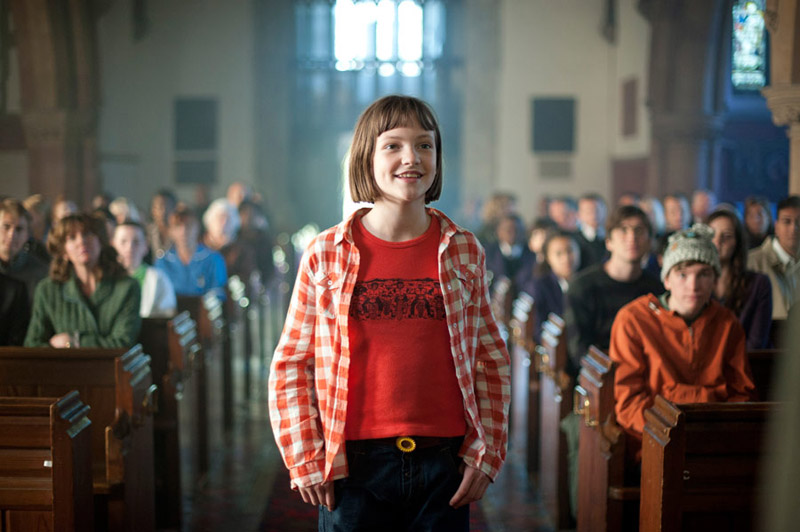
Making the transition from primary school play to starring alongside Tim Roth look annoyingly easy, Eloise Lawrence comes from an acting family (her father is Larry Lamb) but she was hand-picked by Rufus Norris to play the diabetic Skunk in this British highlight from earlier in the year, successfully dealing with being bullied, finding her first boyfriend and suffering the consequences of her illness. Lawrence’s parents are keen for her take a break from acting until she’s 16, but if she’s keen to come back then this is one heck of a calling card.
3. Tye Sheridan (Mud)

Notwithstanding the continued career renaissance of Matthew McConaughey, the highlight of Jeff Nichols’ Mud are the two central young performances. Jacob Lofland is winningly entertaining as sidekick Neckbone, but it’s Tye Sheridan who anchors the film. Building on his appearance in The Tree Of Life, Sheridan’s Ellis undergoes a loss of innocence on several fronts and Sheridan always keeps it believable. He’ll be appearing on the same cast lists as both Chloe Moretz and Caitlyn Dever in different films during 2014.
2. Saskia Rosendahl (Lore)

Getting slightly lost due to its lack of proximity to awards season in this country, this powerful story of a group of children attempting to navigate their way through post-war Germany after the loss of their Nazi parents captivated in no small part thanks to Saskia Rosendahl’s defiant performance as the titular Lore. Quickly becoming the matriarch to the group, she’s both defiant and saddened, struggling to come to terms with events but willing to do whatever’s necessary for her family and Rosendahl’s portrayal is compelling.
1. Conner Chapman (The Selfish Giant)
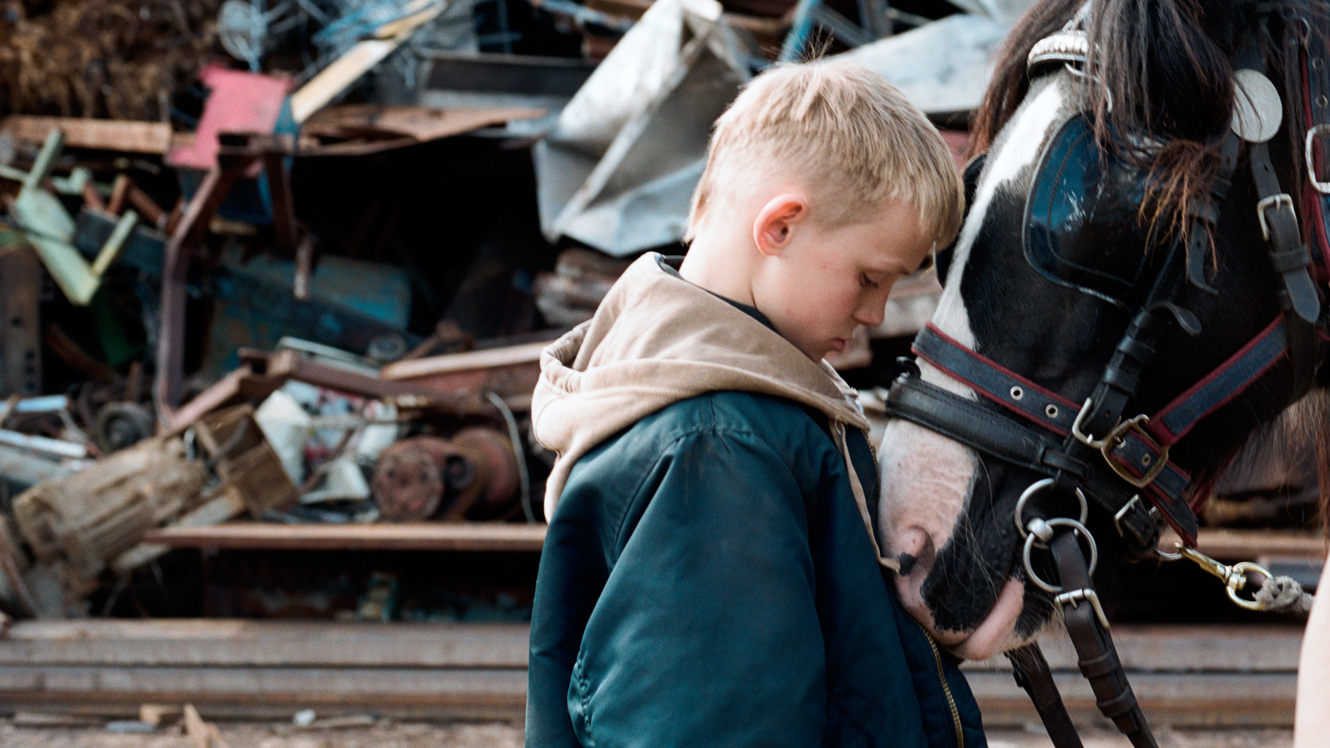
Again, difficult to choose between the two, but the highlight of the year in British cinema featured two outstanding performances. Shaun Thomas’s Swifty is almost the dependable straight man of the two, but it’s Conner Chapman as Arbor who gets my award for the young performance of the year. From his early unpredictability through the affects of his attention deficit disorder to his wheeling and dealing and the tragic nature of the story’s resolution, Chapman lights up the screen whenever he’s on it. The Selfish Giant was the only film to have me in tears this year, and it’s a credit to the performance of both youngsters, but especially Chapman. Conner Chapman is my young actor of 2013.
Review of 2013: The Half Dozen Special – 12 Best Trailers Of 2013
Time to start my fourth annual review of the year, and where better place to start than where most cinema screenings also begin: the trailers. (Yes, technically most cinema screenings start with the adverts, but even I’m not desperate enough to pick out my favourite bits of non-cinematic commercial advertising.) At the start of the year I wrote a post called the Corridor Of Uncertainty, looking fondly at the various ephemera that make up your pre-film entertainment as well as the adverts and trailers and I then tracked that with each review I wrote for three months. The pattern that emerged was that the multiplexes were typically running at around 25 – 30 minutes, where smaller cinemas were coming in at a more leg and bottom-friendly fifteen minutes. It would be nice if what you’re expected to sit through before the film worked on its own terms, but that seems less and less the case.
What has become apparent over the course of the year is that, to quote an old cliché, they don’t make ’em like they used to. Take for example this trailer for The Innocents which is currently in cinemas on re-release.
While there’s certainly an efficiency to modern promos, with their two and a half minute running time, their teaser trailers, their trailer teasers and their ruthless marketing campaigns designed to take no prisoners, I can’t help but feel that something of the character of trailers of years gone by has been lost forever. Finding trailers that I feel make the grade this year feels as if it’s becoming increasingly difficult, but here are what are I consider to be the year’s dozen best films that have been brutally edited down into pocket form for promotional purposes. As always, because this is a cinema blog, some of these trailers may have been on t’internet last year, but you would have been seeing them in cinemas this year.
Best Trailer For A Not Very Good Movie: I Give It A Year
There’s plenty of laughs in this trailer, and often that’s a warning shot to anyone then moving onto the full film that the trailer might contain all of the film’s laughs. What was particularly impressive in this case is that the trailer actually contained more laughs than the film, many of these moments proving less funny in context than they were in isolation and the sour, narcissistic and generally unpleasant tone that permeated the film itself ultimately made it about as enjoyable as hearing a doctor give you a detailed report on the contents of your lower bowel.
Best Trailer Featuring Almost The Last Shot Of The Movie: You’re Next
If you see as many films as I do, then chances are that you’ll end up seeing some of the same trailers over and over again. I still have nightmares about seeing the trailer for Brendan Fraser film Inkheart what must have been over twenty times in the cinema as the release date kept getting pushed back (never did see the film) and consequently I could have played it out word for word. I caught this trailer for You’re Next several times over the summer, and a few moments stuck in my head to the point I was waiting for them to appear in the finished product. I’ll never know if this reduced my overall enjoyment of the film, but there were enough other moments that this was an unnecessary move on the trailer maker’s part.
Best Trailer Earworm: Stoker
Really enjoyed Stoker, so don’t be surprised when you see it in the Top 40 of the year later this week. I also remember coming out of the cinema with the track from this trailer, Dirge’s “Death In Vegas”, still playing in my head; all the more impressive when you consider that it doesn’t actually feature in the finished film. Not to knock Clint Mansell’s score for Stoker, as it’s one of the best of the year, but Dirge had embedded itself so deeply in my brain that when I started putting this list together, it instantly started playing in my head again on a loop.
Best Trailer Earworm Honourable Mention: Frances Ha
If I was a director, then I’d love to be able to pay such obvious homage to the works of others and be lauded for it, other than being accused of simply ripping off the original. I sat through all of the end credits of Frances Ha simply to listen to David Bowie’s classic Modern Love, but didn’t realise until afterwards that the scene is a direct reference to this scene from Leos Carax’s Mauvais Sang.
Excuse me, back in a moment, just off to run jauntily down the street. It’s infectious.
Best WTF Trailer: Only God Forgives
So Drive. You really liked Drive, didn’t you? Yes, I did too, putting it number two in my Top 40 of 2011. So Nicolas Winding Refn’s new film has got Ryan Gosling in again. So yes, you’d expect it to be a lot like Drive again, wouldn’t you? So… ah. Ah right. (Warning: contains violence, karaoke and general weirdness.)
Best Trailer That Actually Contains The Post-Credits Sting: The Pervert’s Guide To Ideology
Having watched this on the last day of the Cambridge Film Festival this year, director Sophie Fiennes was present for a Q & A. On these occasions, often the credits are allowed to play out in the background silently so we can get straight to the discussion; Sophie asked to have the sound back up so we could watch the post-credits sting in all its glory, only to then discover that the whole thing is on the end of this trailer anyway. Still, the trailer does give a flavour of the insight available into Slavoj Zizek’s unique thinking.
Best Trailer That Accurately Represents A Film That No-One Saw: The Kings Of Summer
So, there have been 430 films so far to receive a cinema release in this country, of which I can lay claim to having seen just under a third. Two of them, The Way, Way Back and The Kings Of Summer, felt thematically similar and that’s the only reason I can think of that The Kings Of Summer struggled to find distribution. I caught it at the Prince Charles Cinema in London after a work trip to the capital, and it seemed to be one of the few cinemas showing it. While The Way, Way Back played across the country and took in just under $2.5 million at the UK box office, sandwiched on the list between Sammy’s Adventures 2 and Hitchcock, The Kings Of Summer didn’t fare quite so well.
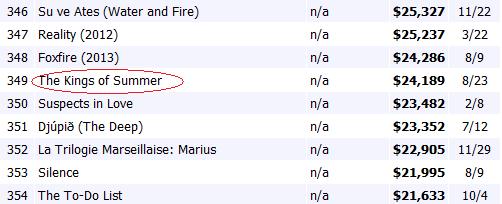
Yes, that’s $0.024 million dollars. If you’ve seen more than one film on that list, well done you.
Best Editing: Don Jon
Yet another case of the promise of the trailer not being borne out in the film itself, but you feel it’s likely Joseph Gordon-Levitt was probably more hands-on in the process of compiling this trailer than many directors would be. Still don’t get the Scarlett Johansson thing, sorry.
Best Trailer For A Film Not Out Until Next Year: The Wolf Of Wall Street
Stiff competition in this category this year, with many of the later releases including Godzilla having impressive promos, and some of the earlier releases of the season such as American Hustle dazzling with their starry casts. I can also cheer myself up whenever slightly down by watching the Grand Budapest Hotel trailer again. (Card-carrying Wes Anderson fanboy, I guess.) But actually the most interesting promo for a film not due until 2014 is this, the first trailer for Martin Scorcese’s latest; Marty having fun is a none-more-appealing prospect.
Best Trailer Featuring A Scene Not In The Actual Film: Frozen
It’s like a little short film all its own. Sit back and enjoy. (The actual short film that precedes Frozen in cinemas, Get A Horse with Mickey Mouse, is also great, even if it is to actual Mickey Mouse cartoons what The Artist was to silent cinema.)
Best Trailer Of 2013: Gravity
When I saw the film, I spent most of it in terror of dodging debris and of my fear of heights trying to tell me that I was actually 372 miles above the earth and could fall at any moment. However, the trailer manages to capture that feeling of fear in under two minutes. For being able to send me whimpering from the cinema, wanting to scream “Grab the DAMN SPACESHIP!” at Sandra Bullock at the end of the trailer, and for expertly capturing the overall mood of the film without giving too much away, Gravity’s first trailer is my winner for 2013.
Previous years:
Review of 2012: The Half Dozen Special – 12 Best Trailers Of 2012
Review of 2011: The (Half) Dozen Best Trailers of 2011
Review Of The Year 2010: The Half Dozen Best Trailers of 2010
The Half Dozen: 6 Most Interesting Looking Trailers For December 2013
It’s Christmas time, there’s no need to be afraid. Well, not strictly true as I’m rolling out the dodgy poetry once more. Yes, once again we approach the season of goodwill, and I hope you’ll extend me all of yours. Following the success of last year’s Half Dozen December picks with their own Christmas songs and carols, I once again present my top six trailers of the month, each with its own song or carol (or in the case of Kill Your Darlings, piece of classical music which you’ll find it difficult to fit the words to unless you know it really well – sorry). I’ve also included a link to the original so you can sing along at home with my new words. Merry Christmas, everyone. Which leads me nicely to…
Frozen
(to the tune of Shakin’ Stevens’ Merry Christmas Everyone)
Snow is falling, all around us, Which is strange as it’s July Tis’ the season for barbecues and swimsuits, But it’s snowing (don’t ask why). Time for Disney and princesses, Cash tills ringing all night long Time for parents to buy their girls more dresses, Merry Christmas, Disney Store.Kill Your Darlings
(To the tune of For Unto Us A Child Is Born from Handel’s Messiah)
For unto us a child is born, unto us a wizard’s given (repeat) And the world will never see him as anything but Harry Potter (repeat) And his fame shall be based on Rowling books, Potter films, it’s such a shame He’s really a great actor, devoid of cheese.The Hobbit: The Desolation Of Smaug
(To the tune of Little Donkey)
Little hobbit, little hobbit on another road Little hobbit, always walking – must it all be showed? Little hobbit, bunch of dwarves and wizard with a stick, Why don’t you just use the eagles, why are you so thick? Ring out of sight tonight, hide it again, hide it from men, Spiders and dragons fright those little men, walking again, Little hobbit, little hobbit, we still cannot see Why your short book needed to be films so many – three?!Anchorman 2: The Legend Continues
(To the tune of Hark the herald angels sing)
Hark, the herald newsmen sing Afternoon Delight’s their thing Peace on earth for them’s no good Fighting puts them in the mood Joyfull all ye nations are Paramount’s seen sense at last We thought they might miss a trick But now we’ve got more of Brick, Champ and Brian, it’s great to see, And the legend, Burgundy.The Harry Hill Movie
(To the tune of Mariah Carey’s All I Want For Christmas)
I don’t want a lot for Christmas There is just one thing I need I don’t care about the Oscars (At least until January) I just want to go and see Some funny films with Mrs E Make my wish come true All I want for Christmas is you I don’t want a lot for Christmas (Although Blu-rays would be nice; Think my mum is buying Star Wars Hope she gets a decent price.) I don’t need a costume drama Or a lengthy biopic I just need the guy from TV Burp, plus hamster being sick I just want to go and see Some cheesy films with Mrs E Think this one will do All I want for Christmas is you, you, HarryAll Is Lost
(To the tune of O Holy Night)
O holy boat, your star is brightly shining Although he hasn’t got much to say O holy boat, Bob Redford’s not for whining Even when he’s had such a bad day Patching up the hole as best he can Such a hero, not just an old man Fall on your knees, and hear the rush of water, O night in brine, ’cause the trailer gives away The boat, the holy boat, has had its day.The Half Dozen: 6 Most Interesting Looking Trailers For November 2013
I remember when all this were fields, as far as the eye could see. No, wait, I’m not sure this was ever fields, exactly, but I can remember when it was all film reviews made of graphs and silly poems and obsessing about Christopher Nolan and being freaked out by Catherine Zeta Jones’ face. Somewhere along the line I turned from a little read reviewer of films and loose advocate of the cinema experience into a zealous campaigner for the very fabric of cinema in the face of stubborn intransigence. Oh, and I do very occasionally still write film reviews.
I have no regrets about the ongoing battle with the Competition Commission, and if anything I can see this changing my outlook and my blog forever. I now believe there is a national debate required about cinema distribution and the role of organisations such as the BFI to help ensure cinema can be seen in the right venues by those who hold it dear. In the mean time, I appreciate this might get a bit samey for anyone not living in Bury St Edmunds, Cambridge or Aberdeen reading this blog (and if you are by some freak occurrence living in Aberdeen and your name isn’t Dallas, please do say “Hi!” in the comments section), so this is an effort to get back to just talking about films for a bit. Normal service will never be resumed, ever, because there is no such thing as normal round here, and in a way I hope that’s why people will come back when all of the Competition Commission nonsense is in the past.
Gravity
So I have seen this one, and a review is imminent, but if you’ve not seen this in a cinema yet, indeed the biggest cinema you can find, then stop reading right now, take a photo of this page on your snazzy camera phone to prove for posterity that you did indeed stop reading right now, and head to your local cinema. If there was an Oscar for the Best Justification For The Existence Of Large Screens, Indoor Sunglasses And Obscenely Loud Surround Sound Systems then this would be as nailed on as Anne Hathaway bawling her lungs out in a charity shop reject dress.
Don Jon
Is Joseph Gordon-Levitt a big enough star to justify putting his name in large font in the credits these days? One of those films you just know has a press pack somewhere with a cast listing of Golden Globe® nominee Joseph Gordon-Levitt (The Dark Knight Rises), Golden Globe® nominee Scarlett Johansson (Marvel’s Avengers Assemble), Academy Award® nominee Julianne Moore (The Hunger Games: Mockingjay, Jurassic Park: The Lost World), Emmy nominee Glenne Headly (Mr. Holland’s Opus) and Golden Globe® nominee Tony Danza (Cannonball Run II). Sigh.
Blue Is The Warmest Colour
Because I have the maturity and sophistication of a six year old who’s likely to spend the rest of his school career being held back a year for picking his nose, any time anyone mentions the word “lesbians” this starts playing in my head:
I even have the strange feeling that isn’t the first time that clip’s appeared on this blog. However, lesbians aren’t the most prominent feature of Blue Is The Warmest Colour. Nor are the repeated stories in the press of the travails and tortures that director Abdellatif Kechiche put his cast, or indeed my spell checker, through. No, the feature of this particular film most likely to draw your attention is its running time: 180 minutes. Where I come from, we call that three hours. (Actually, I call that THREE HOURS?!?!?!) Consider this low quality screengrab of the films over two and a half hours I’ve seen in a cinema since The Movie Evangelist bust forth into mewling infancy in April 2010.

The top two had intermissions, so this looks like it could be the longest film I’ve seen in a cinema in one go, at least in The Movie Evangelist’s lifetime. Hopefully surgical stockings will be handed out at the door instead of 3D glasses to prevent DVTs.
Computer Chess
This month’s semi-obligatory dry indie comedy. Move along.
The Flu
I was in a radio debate a couple of weeks ago where the subject of subtitled films came up, as an example of how to tell the difference between a Cineworld-type cinema and a Picturehouse-type one. Proving that there’s an exception to every rule, it seems this Korean film is heading only to Cineworlds, possibly because it looks like Outbreak II: Epidemic Boogaloo.
Doctor Who: The Day Of The Doctor
You want to know what love is? Love is: having a complete and total obsession about cinema, but not going to a cinema to watch the most important ever episode of your favourite British TV show in 3D because your wife normally watches it with you and she won’t be in from work until it’s finished, then trying desperately to stay off the internet to avoid the torrent of massive spoilers that will now be raining down across the internet like the tears of a million angry toddlers, and hoping that she won’t be too tired to watch it when she gets in from work so you’ll have to barricade yourself in the house to wait until Sunday to watch it. That’s what love is. (Might watch a bit on the iPlayer before she gets in.)
Competition Commission Plan B: The Manifesto For Quality Cinema
It has now been almost four weeks since the Competition Commission published its findings into the Cineworld / Picturehouse merger and determined that Cineworld must sell a cinema in each area. They immediately decided to sell Picturehouses in Aberdeen and Bury St. Edmunds and are still deciding whether to sell the Cineworld or the Picturehouse in Cambridge. Cineworld have now actively been seeking purchasers for the various cinemas and we appear to be approaching a final decision in the next couple of weeks.
However, in the process of reaching their final decision, the reports attempted to define how the cinema market is broken down. It’s at the core of every argument that has followed about how Cineworld and Picturehouse cinemas are – or aren’t – different. The definition in the Commission’s final report broke the market down into just two types, multiplex and non-multiplex cinemas, simply by the number of screens. They had the following submissions from other cinema chains in paragraph 4.17 about non-multiplex cinemas:
Some of these cinemas show exclusively specialized films (and are typically referred to as ‘art-house’ cinemas), but the majority show a mix of mainstream and specialized films. Vue told us that in its opinion there were only a very small number of cinemas that played only specialized films, for example the Cornerhouse in Manchester, the Watershed in Bristol and the Showroom Cinemain Sheffield. Odeon said that there was no longer a differentiation in the eyes of the industry between ‘Hollywood films’ and ‘art-house’ films and that the distinction between different types of cinemas had been eroded by more complex fragmentation, with cinema exhibitors trying to meet commercial targets by programming the most successful films for each cinema on a week-by-week basis. A number of parties told us that they expected to see more overlap in future between film programming in multiplex and non-multiplex cinemas as digitization allowed all cinemas to be more flexible in their film programming.
Sorry Vue, but the independent cinemas you list all do what the Picturehouses do, and show films with an appeal across a wider demographic (the Alan Partridge and Richard Curtis type films) and supplement them with a diet of more specialist films. Odeon, you need to consider why there are films you show in the majority of your cinemas and those you don’t, particularly when considering what you show in your London venues such as Covent Garden and Panton St and what you show outside London. If you can’t see the difference, customers clearly can.
If you want a simple definition of films that illustrate the divide, then start with world cinema. I’ve seen films from over twenty countries in the Picturehouses and independents that I’ve visited in the last year alone and they are a staple of these kind of cinemas. You can normally spot when a subtitled film is playing in a multiplex: the cinema will sometimes have to put a sign up near the ticket kiosk warning people that the film is subtitled to attempt to reduce complaints, and the trailer for the film will feature little or no dialogue, so as not to give the game away. You could also add most low budget British film to this divide; I saw Clio Barnard’s outstanding British film The Selfish Giant last week at the Cambridge Arts Picturehouse, but I challenge anyone to find any multiplex outside London that’s shown it. Add in the screenings last week of classics such as An American Werewolf In London in Bury last Friday and E.T. in 70 mm, both of which were strongly attended and which are the rule at these cinemas and the exception elsewhere, and the quality of film needing to be protected becomes clear.
The report also made note of various cinema chains, including Showcase, Vue, Cineworld and Odeon who are offering whole cinemas or screens in existing outlets based on a premium cinema offering. These have larger and fewer seats and will bring food into screens for you. They charge at least 60% more, and show exactly the same kinds of films being shown in ordinary multiplexes, as confirmed in the report by Cineworld and obvious to anyone who looks at their cinema listings. This is fundamentally not the same as the current Picturehouse offering, and if any cinema owner attempted to convert a Picturehouse to this model, the increase in price would be several orders of magnitude higher than anything that the Commission originally envisaged Cineworld imposing and would lose at a stroke the quality of the current film offering.
It’s clear we need a better definition of types of cinema, if nothing else to stop us getting into this kind of mess in future. But more critically, with the sales of either two or three Picturehouses imminent, there is a clear demand from customers as to what they want from these kinds of cinemas, but the cinema industry itself has singularly failed in its attempts to describe this, and if we don’t make this clear to both the Competition Commission and the potential purchasers, we run the risk of these cinemas being run incorrectly, denying customers what they demand and putting their futures at risk. So it’s now down to us, the customers, to try to make it clear to the cinemas and the Commission how we see this breaking down.
So here’s my definition of a quality cinema, which I believe is a better representation of what the Picturehouse and other independents offer.
Manifesto Of Quality Cinema
A quality cinema is defined to be a cinema that has:
- a requirement to show at least 50% of film or event titles per week on average over a given period that are not shown at the multiplexes, although this may be a single screening for a given title
- in addition to this, a requirement to show an average of one title a week with at least one screening per day that is not showing at the multiplexes on a regular basis
- a requirement to offer off-peak screenings for over 60s for at least one day per week, screenings for parents with young children at least once a week, regular screenings and events for young children and students and provision for autism friendly screenings
- a commitment to offer access to festivals, including any currently operating festivals at any of the cinemas*, and to allow their operation on a like-for-like basis to current events
- a commitment to maintain any currently operating single screenings**, and to allow their operation on a like-for-like basis to current events
- a commitment to maintain an alcohol licence and the provision of hot and cold food not currently served at multiplexes***
- a commitment to maintain streaming of live and pre-recorded theatre and other cultural events other than films on a like-for-like basis with the current operation
- that they be allowed reasonable access to events distributed by the Picturehouse distribution arm in the manner of other similar cinema operators not owned by Cineworld
- a commitment to preserve any non-digital projection methods currently in use and to maintain any other support necessary to use these facilities
- to allow access to film clubs and other societies to host screenings or events such as film quizzes on a reasonable basis
* events such as the Cambridge Film Festival or other festivals where a series of films run under a specific theme
** events such as film clubs, or the regular Staff Pick events at the Abbeygate Picturehouse
*** the Competition Commission do not currently require any new purchaser to maintain the cafe at the Abbeygate in Bury St. Edmunds, which I believe has been an integral part of its current success
The Picturehouses would all currently meet this requirement, and I believe that any supplier, whether a chain or independent, taking these over should be required to agree to meet this set of criteria in principle.
The Competition Commission previously dismissed the option of applying behavioural controls, so this is intended to be something simpler and that wouldn’t require formal monitoring on an ongoing basis. It’s effectively an informal contract between us, the customers and any new operator, and indicates what we believe makes this a cinema we’d want to attend. The independent cinemas listed in the report and mentioned above would also fit into this definition or something very close to it. I still believe that the best option for price and choice for customers, and for their long term sustainability, is for them to remain in Cineworld and Picturehouse ownership, but if this cannot be achieved then I see this as the next best alternative.
The immediate action before any sale is agreed is that I believe the Commission should apply the above criteria as a test to any prospective purchasers. They have repeatedly and publicly acknowledged that there are differences between the Picturehouse and the other operators, and I believe they have a moral obligation to ensure that these differences are maintained while what they perceive to be the competition requirements are restored.
To be clear: the whole objection of the Commission and the Office Of Fair Trading is that the merger allowed Cineworld to profit at the expense of customers. If Cineworld is allowed to sell to the highest bidder without any form of quality control, they will have profited at the expense of customers. The only people who now have any direct power to influence Cineworld over who purchases their cinemas are the Competition Commission.
I have the support in principle of my own MP in seeking such assurances, and will be seeking other support to this view as well. I am prepared to organise a second petition if necessary to support this view. I will be contacting the Commission today with this proposal and I am keen to ensure it reflects public opinion as clearly as possible. At present the only written commitment from the Commission is to ensure that these are run as a cinema by the new owner. The fear is, as it has always been, that if someone attempts to run these cinemas without these kind of offerings that the customers will be poorly served and the cinemas will struggle to remain open, putting their futures in jeopardy. If you feel that anything needs adding to or changing in this manifesto, please let me know.
If you believe that the Commission needs to follow this or similar guidelines when reviewing any potential purchasers of these Picturehouse cinemas, then you can make your feelings known to the Commission either by contacting them directly at CineworldCityScreen@cc.gsi.gov.uk or by contacting the deputy chairman Alisdair Smith who chaired this panel at Alasdair.Smith@cc.gsi.gov.uk.
Competition Commission Plan A: The Legal Challenge

It has now been almost four weeks since the Competition Commission published its findings into the Cineworld / Picturehouse merger and determined that Cineworld must sell a cinema in each area. They immediately decided to sell Picturehouses in Aberdeen and Bury St. Edmunds and are still deciding whether to sell the Cineworld or the Picturehouse in Cambridge. Cineworld have now actively been seeking purchasers for the various cinemas and we appear to be approaching a final decision in the next couple of weeks.
There remains an option to challenge the Competition Commission’s decision, through the appeals body known as the Competition Appeal Tribunal (CAT). Anyone with a grievance against such a decision may formally apply to the CAT to review a decision such as the one the Commission have reached. However, this is now entering a legal framework and as such the only way to overturn the decision is to find, in the words of the CAT, “that the disputed decision was based on an error in fact or was wrong in law.”
I still believe there are a number of misjudgements in the findings, ranging from the actual judgement of what constitutes the market to the economic arguments on which the final findings are based. However, my belief in that and being able to prove that to an appeals tribunal are two entirely different things, and so those working to protect these cinemas have come up with a plan of how to challenge this finding. Time is running out, and if an appeal is to be lodged then there are only four weeks left in which to do so, maybe less if a sale is agreed soon and would happen quickly. I still believe that the most stable future for these cinemas and their customers is if they remain in their current ownership, and consequently believe legal action to be the best route to securing that future – IF we can attract suitable support, and quickly.
The plan is as follows:
- A number of us working together to fight this decision believe we have secured the potential services of a London barrister who is an expert in CAT proceedings and who will review the case to determine any possible successful avenues of appeal based on the case and the evidence we’ve collected.
- This would cost a total of around £600; we have some offers of help with regard to this, but still need more to get it off the ground. In theory, with 14,400 people having signed the petition, finding 120 people to offer £5 each shouldn’t be hard, as it’s still less than 1% of people that signed.
- This would then form the basis for a formal appeal, and we are then looking for further legal help to realise that case. However, the review should provide a stronger basis and make securing such support easier.
- In the event that the legal review doesn’t find enough of a strong case to answer, we would reluctantly focus our efforts on other options (namely Plan B).
- We will need to confirm funding in the next couple of days if we are to make any progress with this plan.
- You should be aware that we have contacted Cineworld to attempt to understand why they are not pursuing an appeal, but have so far had no response.
I am aware that various parties, including some of the MPs we contacted, are still contacting the Competition Commission to try to get them to overturn their decision. Even if we had convinced the Commission that their argument was wrong, they have no powers to set aside their own findings once they are published, and despite Vince Cable stating in the House Of Commons that he was a former customer of the Cambridge Arts Picturehouse and generally sympathised with the view, he has no powers to overturn the decision either. The only way currently to stop the actions required by the Commission is an appeal to the CAT.
If you feel you would be able to make any contribution, no matter how small, to the appeal itself in the form of legal support or to the review in terms of financial support please e-mail me at movieevangelist@btinternet.com. A decision will be made in the next couple of days if there is enough support for this plan for it to move forward. If there is sufficient backing for this plan, I will then advise supporters of a transparent and secure method for making any contributions and keep people updated.
Competition Commission: The Current Summary
I have come to realise over the weekend that this whole Competition Commission situation is getting very complex. So I’ve tried to summarise the current research and findings in some short paragraphs and to answer the questions that I’ve most often been asked when speaking to people.
Summary of the current position
Cineworld Group plc, which runs one of the largest chains of multiplex cinemas in the UK, late last year purchased City Screen Ltd, which among other activities also runs Picturehouse Cinemas. After a referral from the Office Of Fair Trading, the Competition Commission published an initial report in August investigating the potential loss of competition. They confirmed their findings in their final report which they confirmed on Tuesday 10th October, instructing Cineworld Group to sell either the Cineworld or Picturehouse in each area to resolve the substantial lessening of competition (SLC) they believe has happened. Cineworld Group have decided to sell the Picturehouse in Aberdeen and Bury St. Edmunds and are yet to decide which of the Cambridge cinemas to sell.
1. The current cinema benefits of Picturehouse which are at risk of being lost
Cineworld bought Picturehouse to gain entry to a different part of the market, namely the art house sector. At the time of the purchase they stated an intent to run the two as separate businesses and that the two could learn from each other while preserving their identities. So far they have been true to their word.
Picturehouses offer a completely different experience to a standard multiplex (multiplexes are cinemas with more than five screens).
- The Picturehouse cinemas offer cafe bars where hot meals are served and alcohol can be purchased and taken into the screens. The findings from the Commission ignored the role these play in attracting customers, who are looking for a different experience to a normal multiplex cinema.
- The cinemas offer a much wider choice of films, typically at least double the number of films per screen per week than a multiplex, and while a proportion of the revenue comes from films shown at both cinemas, the Picturehouses show a wide range of films and live events not regularly offered at the multiplex cinemas.
- The Picturehouses also offer a range of screenings for parents with young children, senior citizens and those on the autism spectrum and their carers, as well as a monthly club for students with free screenings. Very few other cinema chains offer these services and none with the frequency of the Picturehouses.
- These cinemas also support a wider cinema culture in the form of trusts and festivals that take place year round. Cambridge hosts the country’s third oldest film festival and all three cinemas have a high number of themed or festival-type screenings.
- The cinemas are also capable of a wider range of projection than multiplex cinemas – the Cambridge Arts Picturehouse being one of the few cinemas in the country that can still show 70mm films, and they are reliant on existing expertise.
- Without a Picturehouse, Cambridge and Bury residents would have to travel to London to see these films and Aberdeen residents to Edinburgh, none of which are practical options for most customers.
The only two other art house chains are Curzon and Everyman. Curzon has five London cinemas and one in Knutsford in Cheshire and Everyman has nine cinemas, mainly in London and the south but also with one in Leeds. While they do offer some of the above services, they do so at a lesser level than Picturehouses. There are also other true independent cinemas around the country who attempt to offer these services and come closest to the Picturehouse offering.
2. The cost of cinema tickets
The reason for attempting to retain competition is to control prices that cinema customers have to pay. The Commission believe that less competition is likely to lead to a risk of higher prices. They also commissioned independent research as part of their investigation.
However, cinema operators look at a number of factors when setting price, including what people can afford in each area. Consequently, areas with more cinemas don’t necessarily have lower prices, as the cinemas are all judging what customers can afford and setting prices locally.
The multiplex and art house chains also have different considerations on offering incentives and memberships to customers. The multiplex chains offer the following schemes.
- Cineworld offer an Unlimited scheme for £15.90 per month nationally, which allows you to see any film at any non-West End cinema.
- Odeon run a points scheme, where seeing 12 peak time films will earn enough points to see another peak time film. Points can also be redeemed for food and other items.
- Showcase run an Insider scheme which is free to join and offers £5 tickets for Sunday night, Monday and Tuesday.
- Neither Vue nor Empire currently offer membership schemes.
The art house chains also offer memberships for between £33 and £40 a year. While Curzon and Everyman offer customers two free tickets and £1 discounts, Picturehouse have three free tickets and £2 off per ticket.
Additionally, Cineworld and Picturehouse have dispensed with booking fees. Cineworld all other cinemas offer a myCineworld scheme which is free to register and offers 10% off for online booking. All other chains charge between 21p and 75p for online booking or administration charges online.
So even if another chain comes in to either cinema and charges standard ticket prices for the industry or the local market, customers of whoever takes over a Cineworld or Picturehouse will end up paying more. The real issue is why the other operators aren’t doing as much as Cineworld Group to compete on price, yet they are the two cinemas being penalised. While there is no suggestion that cinemas are actively engaging in price fixing, comparisons of local prices suggest that competition is not doing much to drive prices down.
3. The economic effects of competition
The Competition Commission used a calculation called Gross Upward Pricing Pressure Index, or GUPPI, to work out if there was a risk from reduced competition. What the GUPPI attempts to work out is how much profit a cinema would make from raising its prices, and specifically what Cineworld or Picturehouse would make from raising prices in one and then customers going to the other, which would mean Cineworld keeps the profits. The Commission’s calculations state that the GUPPI would be high enough in the three affected areas to give Cineworld Group an incentive to put its prices up, which is why they need to sell a cinema.
Aberdeen and Cambridge have reduced from three cinema operators to two (both also have a Vue) and Bury St Edmunds from two to one, as Cineworld now own both of the cinemas in the area. They have based their calculations on people travelling up to 20 minutes to reach each cinema. However, if you look at similar sized geographical areas across the country to Aberdeen and Cambridge, they only tend to have two cinemas, and areas the size of Bury to have one within that 20 minute radius. So these areas had a higher level of competition than normal, and the merger has simply reduced them to the national average. The only areas that have more cinemas tend to be those with a Picturehouse, which can sustain against the other cinemas because its offering is so different.
The independent research asked people what they would do if the ticket prices went up by 5%. They made the following findings:
- Members of Cineworld or Picturehouse would retain their memberships and would continue to attend the same cinema.
- For non-members at any of the Picturehouses, no more than 3% of customers would go to the Cineworld instead.
- For non-members in Aberdeen’s two Cineworlds, around 7% of customers would have switched to the Picturehouse but over 20% would have gone to the competitor (i.e. Vue) or not gone at all.
- For non-members at Cambridge Cineworld, around 10% of customers would have switched to the Picturehouse but 30% would have gone to the competitor (i.e. Vue) or not gone at all.
- For Bury St. Edmunds Cineworld, around 19% of customers would have switched to the Picturehouse but 4% would have not gone and another 11% would have gone to a competitor, even though all the competitors are more than 20 minutes away.
Increasing prices by 5% would provide a small amount more profit, but the numbers of customers who would take their business elsewhere would be a loss of all of that profit and turnover. Additionally, around 30% of cinema revenue comes from the sale of food and advertising, and Cineworld / Picturehouse would lose out on this as well from the 20% or so of customers who had left them.
No sensible business – especially not one such as Cineworld which is a public listed company and has shareholders to be accountable to – would raise their prices knowing this. The Commission’s own research has demonstrated it would be financially better for Cineworld and Picturehouse to keep their prices in line with other cinemas, rather than raising them, and giving no economic benefit to selling a cinema either.
4. The question of whether or not Cineworld and Picturehouse operate in the same market
The whole reason for the judgement being passed is that the Competition Commission believe Cineworld and Picturehouse are in direct competition. They have received two sets of submissions, arguing for and against this point.
The only people who support the view that these cinemas operate in the same market are Odeon, Vue and Curzon cinemas. They all had contact with the Commission during the investigation, and expressed their view that there is no significant distinction between the two cinemas. Vue currently operate in two of the three areas under review and Odeon and Curzon would be potential purchasers for Cineworld and Picturehouse respectively, so could not be considered impartial. Odeon have also written to the Commission with a list of further concerns, including that they believe the Commission were wrong to find that three further areas – Southampton, Greenwich and Brighton – did not have an SLC and Odeon believe Cineworld should also be required to sell a cinema in those three areas. Odeon currently operate in those three areas.
Arguing that Cineworld and Picturehouses are in separate markets and should not be judged to be in competition are:
- Over 600 members of the public who wrote directly to the Commission to argue against the investigation.
- A petition which has over 14,000 signatories and counting, which includes thousands of comments from customers supporting this view. (The petition and discussion also received support on social media from industry figures including Mark Cousins, Neil Brand, Peter Bradshaw, Karen Krizanovich, Andrew Collins and Sight And Sound magazine.)
- Letters from industry figures at the time of the original investigation, including Lord Puttnam and David Heyman, producer of the Harry Potter films.
- Following the publication of the interim report the British Film Institute also wrote expressing their concerns.
- Local MPs including Julian Huppert and Andrew Lansley have now voiced their concerns in Parliament
All of the letters sent to the Commission have been published and can be found here on the Commission’s website.
Alisdair Smith, the deputy chairman of the Commission and the leader of this panel, also confirmed in an interview with BBC Radio Cambridgeshire that he believed the two Cambridge cinemas would appeal to different prospective buyers, which would also question why the Commission believe them to be in competition.
5. The potential solutions
The Commission, as well as investigating the potential problem, were also required to come up with a solution. There are two types of solutions: structural remedies, which in this case would be the sale of a cinema, or behavioural remedies, such as price controls on the existing cinemas.
All three local councils in the affected areas proposed that they were willing to put such price controls in place. The Commission said that they were not a feasible solution, as they would be complex to design, difficult to enforce and would end up costing the Office Of Fair Trading money, and selling a cinema in each area is simpler. The sale of a cinema is also agreed by each of the parties to be an effective solution: the arguments listed above would seem to suggest that’s not the case.
So at present the only solution the Commission are prepared to accept is a sale of a cinema in each area.
6. Next steps
A group of local concerned individuals, including myself and those connected to Take One magazine, are continuing the fight. Since we believe that there are losses to either cinema being sold in any area, that the proposed solution isn’t necessary on the basis of the Commission’s findings and that that implementing this solution will cause more damage than not implementing it.
We will be writing to both the Department For Business and Vince Cable, and the Department For Culture, Media And Sport and Maria Miller to look to have this finding overturned. We are also investigating the possibility of an appeal to the Competiton Appeal Tribunal. I have also written to nine other MPs whose constituents have signed the petition looking for their support, but parliamentary rules state that MPs can only act on behalf of their own constituents, so we are looking for constituents in those areas – or any area, as up to 10% of customers travel for an hour to get to the cinemas – to also contact their MPs. We are also encouraging people to continue to write to the Commission in the hope that they see sense, but I am not personally expecting them to change their position without outside intervention.
We would still welcome the support of any other individuals or groups that share our belief, and the belief of so many others, that this is wrong, and please e-mail me at movieevangelist@btinternet.com if you wish to join the campaign or to offer further suggestions on what we can do to overturn this.
 The Movie Evangelist