review
Review: The Amazing Spider-Man 2

The Pitch: Oh what a tangled web(b) we weave…
The Review: There was no question for me who the coolest superhero was when I was a child. (Not least because I was only aware of three.) For while Superman could turn back time and Batman had a sidekick and a utility belt, Spider-Man could climb up walls and spin webs from his hands! Not only that, but in one telling cliffhanger of his TV series he fell off a building, but saved himself by spinning a web to catch himself as he fell! And he got the coolest lines of any of them. These are the kind of things that unnecessarily excite a six year old child, but we now live in a world where every superhero is restricted to an audience no younger than 12 unless they have their parents in tow. Now on our fifth Spider-Man film – the last two, as was the TV series, called Amazing – what does the latest incarnation offer us now it’s got its origin story out of the way?
Nothing particularly amazing is the perhaps unsurprising answer. Marc Webb demonstrates again that his version does have an edge or two over Sam Raimi’s original, firstly in the key personnel. Andrew Garfield is a more satisfying Peter Parker / Spidey than Tobey Maguire ever was, for all the strengths of Sam Raimi’s trilogy, and his chemistry with Emma Stone’s Gwen Stacey keeps the film afloat during some of the quieter periods. Sally Field also continues to charm despite being noticeably younger than her comic-book counterpart. The web-swinging and slinging continues to be refined on a film by film basis, and the action scenes make the most of the athletic, gymnastic lead, so there’s certainly a decent amount to satisfy your Spider senses.
The problems start with the villains. We have three, but none are as effective as they might be. Jamie Foxx feels miscast as the pre-transformation Electro, and his character is completely mislaid for large stretches in the middle of the film. He still fares better than Paul Giamatti, whose appearances bookend the film and you might just have worked out who he is by the end of the second of them. Dane DeHaan is an improvement over James Franco’s rather static Harry Osborn, but his relationship with Peter has a hollow, unconvincing feel to it and his transformation into the latest incarnation of a familiar villain is based on some dodgy fudging of the mythology. There’s also a certain amount of franchise sowing going on, from Felicity Jones’ extended cameo to the costumes of future bad guys in the background; the main problem is you can’t help feeling you’d have preferred those costumes to be the ones being worn this time out.
While Webb marshals the action scenes clinically, he’s less successful at wrangling the script from Alex Kurtzman, Roberto Orci and Jeff Pinkner. Kurtzman and Orci recently announced they would go their separate ways as a writing duo, and on the evidence of this (and Cowboys & Aliens, two Transformers movies and their dreadful effort for Star Trek Into Darkness) it can’t come soon enough. Even three minds aren’t enough to deliver a script that rises above the generic and predictable, spending so much time on the origins of its new characters that it never surprises with the older ones. If you, like me, can’t remember much of what happened in the original of this sequence, you’ll appreciate the extensive catch-ups woven in – which in turn drag the running time out to a testing two hours and twenty – but none of that can help overcome the plodding predictability or prepare you for the slightly sickening crassness of the way in which the climactic twist is staged. When the Marvel properties at Disney are learning and developing, Sony’s Spider-Man just feels like it’s retreading the same mistakes. With two more films and spin-offs already in the early stages of production, they’re going to have to learn the lessons quickly to return Spider-Man to the place of my favourite.
Why see it at the cinema: The web-work is undoubtedly the most impressive yet in the series, and although I saw it in 2D, everything suggested those elements would work well with an extra dimension if you’re so inclined. The action scenes can get a bit busy, so seeing them in a cinema will help work out who’s hitting who with what at key moments.
What about the rating? Rated 12A for moderate violence and threat. The BBFC descriptions become ever more dramatic, including on this occasion the line, “Human characters transform into scary looking super-villains, with close-ups on their creepy looking eyes and skin.” Find me an eleven year old who’s creeped out by this lot.
My cinema experience: A Friday late night showing at the Cineworld in Cambridge. The staff kindly – and firmly – pointed out upon my arrival around 11:20 p.m. that there was nothing at the end of the credits. Not only a generous public service but also undoubtedly a group of people who would be kept working an extra seven minutes at 1:30 a.m. by a bunch of nerds waiting for a clip that never comes. I stayed for the bizarre mid-credits X-Men advert (designed to fulfil a contractual obligation of Marc Webb’s) and then made my excuses.
The Score: 6/10
Review: Transcendence

The Pitch: The Nolan system.
The Review: For all that you can say about cinema, it’s not a career path that lends itself naturally to progression. While the likes of Steven Soderbergh have mastered more than one skill in film production, you don’t hear many stories of key grips that went onto thriving careers as make-up artists. If there is a natural pairing of professions in the film industry, you’d think it’s director and cinematographer, the two people most concerned with getting the image right on screen, but when pretty much every list of famous cinematographers turned directors has Jan “Speed 2” De Bont on it, it’s clearly not an easy transition to make. Full marks for effort to Wally Pfister, then, for deciding to break away from a twenty year career in cinematography and a lengthy collaboration with Christopher Nolan to making his own films.
It’s also decent marks for attainment when it comes to the visuals. Pfister’s films have always had a compelling visual quality and he’s stuck to his principles, shooting Transcendence on traditional 35mm film. In collaboration with another Brit, this time his own cinematographer Jess Hall (veteran of Brit films including Hot Fuzz and Son Of Rambow), Transcendence balances beautiful moments of intimate slo-mo with grander, sweeping vistas. Unlike other blockbusters that live just to excite your inner fanboy with a robot riding a giant dinosaur, Transcendence aims for something subtler. The stock middle-America townscape is a bit of a cliché, but that’s one weak link in Pfister’s composition.
For those getting their hopes up that Pfister’s film could be of equal quality in all the other departments, it’s time to unceremoniously dash those hopes. That even extends as far as general shot composition; while certain brief moments might look good, as a whole the film is a dull canvass of browns and whites and nothing sticks in the mind for more than a few minutes. That pales in comparison to some of the acting, which is led by a dialled-in (probably on a 56k modem) performance from Johnny Depp. Once Depp’s settled on an accent, he sleepwalks through the film, sapping interest out of scenes while barely even trying. Rebecca Hall makes a bit of an effort, but everyone else, from Paul Bettany to Morgan Freeman and Cillian Murphy, wanders around in a general state of confusion, wondering where their character development has disappeared to and failing to invest the tired script with any sense of conviction.
There are numerous problems with that script, and not only does the dialogue fail to convince in individual scenes, the script as a whole is a damb squib. Transcendence thinks it has a couple of good ideas, but anyone who’s ever seen more than a couple of episodes of any sci-fi series on TV won’t be surprised at any part of the “human consciousness in a computer” plot, and Michael Crichton’s 2002 novel Prey – which wasn’t that great itself – was a far better exploration of the dramatic possibilities of nanotechnology, a thread which plays out laughably here. To top it all off, the script begins at the end and then flashes back, killing any dramatic tension stone dead. Most of the film’s ideas about technology are laughably poor, but not laughable enough to tip the film into the “so bad it’s good” category. When Christopher Nolan comes up with films about dream worlds, wormholes and men who dress as bats and fight crime, you have to wonder what drove Pfister to trot out such a succession of barely warmed-over clichés that make you yearn for some paint to watch drying. Sad to say, but Wally Pfister’s first film makes Jan De Bont’s directorial career look like a constant procession of genius by comparison; even Morgan Freeman reading out binary code for two hours would have been more appealing.
Why see it at the cinema: As I’ve said, there are some lovely looking individual frames, it’s just a shame they never form into anything resembling a coherent whole. But they do look great on a giant cinema screen.
What about the rating? Rated 12A for moderate violence and bloody images. The BBFC rating advice also indicates that, “there is also a scene in which a couple embrace and kiss.” As that’s in the rating advice, does it mean that embracing is only to be witnessed by 11 year olds with the consent of their parents?
My cinema experience: A Sunday evening at my local Cineworld would not normally be heavily populated, but for some reason this was a big draw so I was sat third row from the front. Someone sat in the middle of the bank of seats in front of me, and then refused to move when another couple came in looking for the two seats either side. That confrontation, as brief as it was, proved to be more interesting that anything projected onto the screen in front of them.
The Score: 3/10
The Half Dozen: 6 Most Interesting Looking Trailers For April 2014
Another month slips by, another month when I’ve managed to watch films in the cinema but not to do very much about telling you about them, dear reader, so apologies. My ever demanding job has allowed me to see eleven films in the cinema this month, clumped into three or four groups when I could spare the time, and has spanned both a triple bill in Norwich (90 mile round trip) and a late night visit to Ipswich (80 mile round trip) but it’s been a mixture of late screenings, with just one film seen on a midweek evening (when normally I’d manage one a week).
In all that time, I’ve not had time to write any blog posts, which is even more of a shame given that the overall quality of the films I’ve seen in the first four months of the year. The graph below shows my average rating for films in the first four months of the year over the last seven years. This year I’ve managed only 35 films in the first four months (compared to a peak of 51 in 2011 and 39 by this time last year, but the overall average rating – both by me and by all users of IMDb, to prove it’s not just my own personal taste) have reached a satisfying peak.
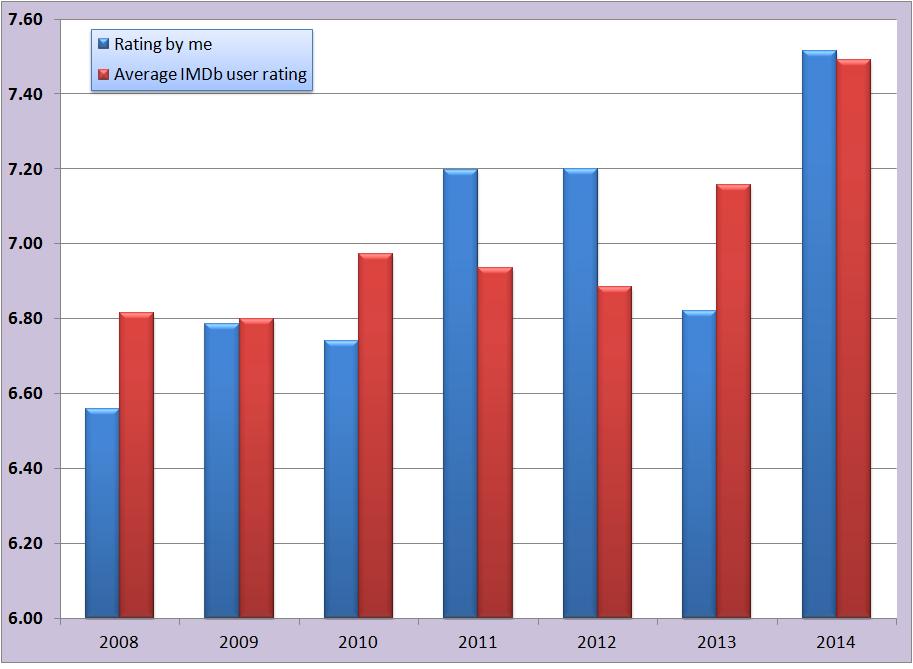
But sadly I’ve been so busy for work I’ve not had chance to tell you that Under The Skin was completely strange, utterly bamboozling and I’m still thinking about it nearly a month later; I’ve not found the time to tell you that Calvary was a devastating and though provoking follow-up to John Michael McDonagh’s superb The Guard, but with a much darker sensibility. You won’t have heard me say that while Asghar Farhadi’s The Past was more drawn out with a slightly weaker ending than his last three features, it’s still better than the output of the majority of western directors and he’s shown he’s as capable outside Iran as he is within it.
Nor have I been able to tell you how much I thought of Richard Ayoade’s sophomore film The Double, or that The Raid 2 ups the stakes on its predecessor, with something resembling a serviceable plot this time and actions scenes that will blow your mind, the car chase alone worth the price of admission. You could at least find the latest Bums On Seats podcast at Cambridge 105 or on iTunes and hear me rave about Joanna Hogg’s thrilling and slightly eccentric Brit flick Exhibition. But you might have to wait until next month before you get an actual review from me – I’ve got a half written one for Transcendence I hope to share with you, along with my crushing disappointment, very soon.
But despite getting to 11 films this month at odd hours, I’ve still managed to miss out on a few that looked interesting. From the Biblical epic of Darren Aronofsky to the latest from Xavier Dolan and a series of James Dean re-releases (never seen any of them, to my shame), these are the six films I’d love to try to catch either in May or before the year is out.
Noah
Tom At The Farm
The Lunchbox
We Are The Best
Wrinkles
Rebel Without A Cause
The Half Dozen: 6 Most Interesting Looking Trailers For February 2014
Is it February already? Wow, this year seems to be disappearing faster than ever. Or maybe that’s just my age. It barely feels yesterday that I started my new film list for the year and put to bed the old one, and already I’ve racked up a dozen trips to the cinema. February is traditionally a month where the last few awards contenders creep out, mixed with the big studio pics that really can’t find an audience anywhere else, but this year feels different: the Oscars have been pushed to March by the Winter Olympics, denying us the traditional catharsis of sparkly dresses and low angle shots of Jack Nicholson looking uncomfortable in a dinner jacket for anther few weeks, and The LEGO Movie has opened huge in the US over the weekend with the second biggest February opening ever.
I’m actually relieved it’ll be different this year: I keep detailed records of what I’ve seen, and last February was the worst month since the blog began. Four of the twelve films I saw (A Good Day To Die Hard, Bullet To The Head, I Give It A Year and This Is 40) ended up in my bottom ten of the year and Hitchcock was a close run thing. So surely this year can’t be anything but an improvement? Anyway, to ease the pain of a lack of gold shiny bald men being dolled out this month, I present my own annual entirely made up awards for trailers.
Dallas Buyers Club
Best Actress Called Jennifer Who Isn’t Also Called Lawrence
Best Actress Who Is 41 And Still Gives Me Hope That You Can Grow Old Gracefully That’s Also Called Jennifer
The Christian Bale Memorial Award In The Field Of Extreme Weight Loss
The “Oh Yeah, Whatever Happened To Him” Award, awarded to Jared Leto
Bastards
Best Arty Trailer To Make Me Look Like I’m Vaguely Intelligent And Hopefully Not Pretentious
Cuban Fury
Best Picture Most Likely To Feature A Cameo By Simon Pegg, Probably
Best Effeminate Comedy Character I Probably Shouldn’t Laugh At – Kayvan Novak
The John Barrowman Award For Seemingly Feeling Like He’s In Everything – Chris O’Dowd
Her
Best Use Of A Moustache To Instantly Create A Character – Joaquim Phoenix
Best Female Ensemble Where One Of Them Doesn’t Even Appear On Screen
Best Use Of A Giant Plane That Makes You Wonder If It’s Real Or Visual Effects
Only Lovers Left Alive
Best Use Of Tom Hiddleston To Get All The Marvel Fanboys And Girls To Watch Something Different
Best Use Of A Red Gothic Typeface For A Director’s Name
Most Unlikely Film Being Shown In Cinemas For Valentine’s Day (check your local listings)
Non-Stop
The Executive Decision Award For The Most Generic But Probably Still Exciting Plane-Based Thriller
The Sherlock Award For Best Use Of On-Screen Text Messaging
Best Captain Of A Plane Who Makes You Double Take Because He Looks Eerily Like Jon Stewart Off Of The Daily Show
Best Film Most Likely To Feature An Epic And Quotable Speech From Liam Neeson Because Otherwise What’s The Point In Having Him In An Action Movie, He Is 61 After All
Review: American Hustle

The Pitch: The David O. Russell Repertory Company Presents Hair: The Movie.
The Review: I used to worry about my looks. When I was younger, I developed a beer and crisp-based pot belly, had teeth lifted straight from any American stereotype of Brits and my height had given me a weird hunchback from repeatedly bending over to talk to short people (i.e. everyone). One thing I’ve never had to worry about is my hair, which might sit somewhere on the strawberry blonde spectrum but it’s all mine and while many of my contemporaries have receded or gone completely bald, I’ve still got more than I know what to do with. Maybe it says something about us as a society that so much of the publicity for this film has been devoted to the hair, but it’s also possibly because the film makes such a fuss of it too. From the very first shot, which sees Christian Bale – pot belly, check – struggling to wrangle his unwieldy combover, American Hustle is keen to flaunt its Seventies stylings and the hair can also tell us a lot about the characters.
Take Christian Bale: his Irving Rosenfeld is a shady dealer, with fingers in every pie in the area and most of them as dishonest as the matting of wispy hairs he uses to hide his balding pate. He soon falls for the wily charms of Sydney Prosser (Amy Adams), her taste for the high life reflected in her lengthy, sweeping curls. As they cheat and swindle their way through the citizens of New York, they miss the signs from the uptight, permed curls of FBI agent Richie DiMaso (Bradley Cooper) who sees through their scams – well, some of them – and puts them to work helping to bring down the rich, powerful and corrupt, even if they’ve got the honest, hard working hair that Mayor Carmine Polito (Jeremy Renner) has. Amid it all, Irving’s young trophy wife Rosalyn (Jennifer Lawrence) and her attention seeking updo might be the spanner in the works, the most unpredictable element in crosses and double crosses that threaten to spiral out of control more than Amy Adams’ party hair.
David O. Russell is forming a reputation for being an actor’s director, and on that front he succeeds admirably. Those faring better are the The Fighter alumni, Christian Bale and Amy Adams, who take a firm grip on the film and never look likely to let go. Bale’s usual physical transformation shows a typical absence of vanity, but he nails the more comedic tone superbly. Amy Adams once again shows, as she did in PTA’s The Master, that she can more than hold her own in male dominated casts and switches from powerfully sexy to fragile and vulnerable as required. Those coming back from Silver Linings Playbook are slightly less successful, Bradley Cooper just dialling up the performance to indicate frustration and Jennifer Lawrence feels a good ten years too young for her role (despite being as enjoyable as ever to watch). Jeremy Renner does exactly what’s required of him with little opportunity for more, while the stand out in the supporting cast is Louis CK’s long-suffering boss of Bradley Cooper.
But, as with Silver Linings Playbook, a collection of strong performances don’t necessarily add up to a great film and while American Hustle isn’t aiming to be as profound or emotional and does hold together better, it is the cinematic equivalent of Christian Bale’s elaborate combover. While it’s never less than fascinating to watch, it’s lacking in substance and unsatisfying the closer you get to it, and it in the final analysis it feels wispy and thin. While you don’t have to have depth to have quality, American Hustle always has the feeling that it thinks it’s better than it is, and in particular the ending is aiming for clever twists that feel disappointing and obvious. David O. Russell is capable of films with urgency and immediacy such as Three Kings, but other than a sense of period American Hustle lacks any sense of visual panache that would help elevate it to the pantheon of Great American films. Maybe, then, it’s not surprising that American Hustle should be a little (hair)style over substance, but will work if you set your expectations to somewhere between enjoyable and forgettable.
Why see it at the cinema: It has a certain swagger, and it’s consistently entertaining, but David O. Russell isn’t quite the visual stylist of a Scorcese or a Soderbergh. The casino sequences are probably the visual highlight, but lovers of Seventies music will appreciate the soundtrack on a decent cinema sound system.
What about the rating? Rated 15 for strong language. Not affecting the rating significantly, there’s also some violence in the dark and some drug taking that “isn’t remarked upon.” Remember kids, just say no(thing).
My cinema experience: A packed Saturday evening at the Cineworld in Cambridge, and an audience that by and large seemed a little disappointed as they filed out at the end.
The Score: 8/10
Review: Jack Ryan: Shadow Recruit

The Pitch: We don’t need another hero. Let’s just reboot one of the old ones again.
The Review: We love spy movies, don’t we? From the suave sophistication of James Bond to the amnesiac thrashings of Jason Bourne, we can’t get enough of secrets, lies and organisational subterfuge. For some reason, the adventures of Tom Clancy’s CIA analyst Jack Ryan have never quite caught the imagination of cinema audiences to the same extent: The Hunt For Red October is fondly remembered, but Alec Baldwin was quickly replaced by Harrison Ford, and subsequently nearly a decade passed before the series and the character were rebooted, this time with Ben Affleck. As more than a dozen years have elapsed since The Sum Of All Fears, Paramount clearly felt Ryan was ripe for another reboot and this time Chris Pine’s been enlisted to protect, to serve and to sneak into darkened rooms late at night. Where all of the previous Ryan’s have used Clancy novels as a starting point, this latest Ryan adventure follows that other, more recent movie tradition: the origin story.
Part of the reason for avoiding the rest of Clancy’s Jack Ryan novels is that most of those not yet adapted deal with terrorist attacks leading to Ryan becoming president, ending up at war with Japan and someone flying a plane into the U.S. Capitol building. It’s maybe an uncomfortable irony that Shadow Recruit opens with Ryan studying at the London School Of Economics when 9/11 happens and encourages him to enlist. One major helicopter accident later and Ryan is recovering in hospital, being goaded back to health by student medic Cathy (Kiera Knightley) and visited by, you guessed it, shadowy military type Thomas Harper (Kevin Costner) who secretly recruits him into the CIA. Ryan uncovers evidence of dodgy Russian goings-on and is dispatched to Moscow to investigate further, only to come up against the henchmen of businessman Viktor Cheverin (Kenneth Branagh), bent on sending the world into a financial meltdown which will see Russia come out on top.
Branagh both nibbles on the corners of the scenery and directs, but it’s difficult to see any innovation in either. Working from a script by Adam Kozad and David Koepp, Branagh has crafted not so much as a throwback spy thriller but one that’s stuck back, somewhere in the Sixties. While the overarching plot machinations have a distinctly modern twist, with Russian dealings in the economy rather than the arms race of the Cold War, the CIA apparently hasn’t moved on past men being passed documents in darkened cinemas or exchanging looks and guns on poorly lit park benches at night. If you’re looking for an honest to goodness, old fashioned spy thriller, then Jack Ryan: Shadow Recruit certainly fits that bill. Sadly, it fits it so well that there’s very little which will surprise you if you’re a fan of the genre, and most of it’s been done better elsewhere.
Take the highlight of the film, which consists of a central stretch where Ryan attempts to invade a building and capture info while the rest of his team work distraction and cover: it’s Mission: Impossible but without the dangling wires and suspense, and it segues into a car chase notable only for the odd decision to threaten a victim with a light bulb. An early bathroom fight recalls the opening of Casino Royale, the car chases have more than a touch of Bourne and the climax feels like a thousand other generic action movies that you’ve seen before (topped off with an explosion that feels cut and paste from a Die Hard sequel, of all things). Chris Pine feels more at home playing blue collar workers and starship captains than he does as a CIA analyst and spy, and it doesn’t help that he has zero chemistry with Keira Knightley either. Kevin Costner is good value, although never gets out of third gear, and Branagh’s strangulated Russian vowels are never less than entertaining, but this is undemanding and generic fare. Maybe it would be best to shake things up with an intercontinental war, for this retro thriller has at best retro thrills.
Why see it at the cinema: The larger set-pieces will benefit from being seen in a cinema, but it’s not massively cinematic. No-one would fault you for waiting for the DVD.
What about the rating? Rated 12A for moderate violence, injury detail and one use of strong language. Spying is still, it would seem, a fairly civilised pastime.
My cinema experience: A packed Friday night at the Cambridge Cineworld, and as I was seeing a double bill of this and Lone Survivor I felt the need for sustenance in the form of that classic combo, Diet Coke and Maltesers. Sadly in my desire to get fed I managed to miss the first 30 seconds or so – and end up having to sit almost in the front row – after barely twenty minutes of ads and trailers. Still, you won’t hear me complaining too much.
The Score: 5/10
Review: That Awkward Moment
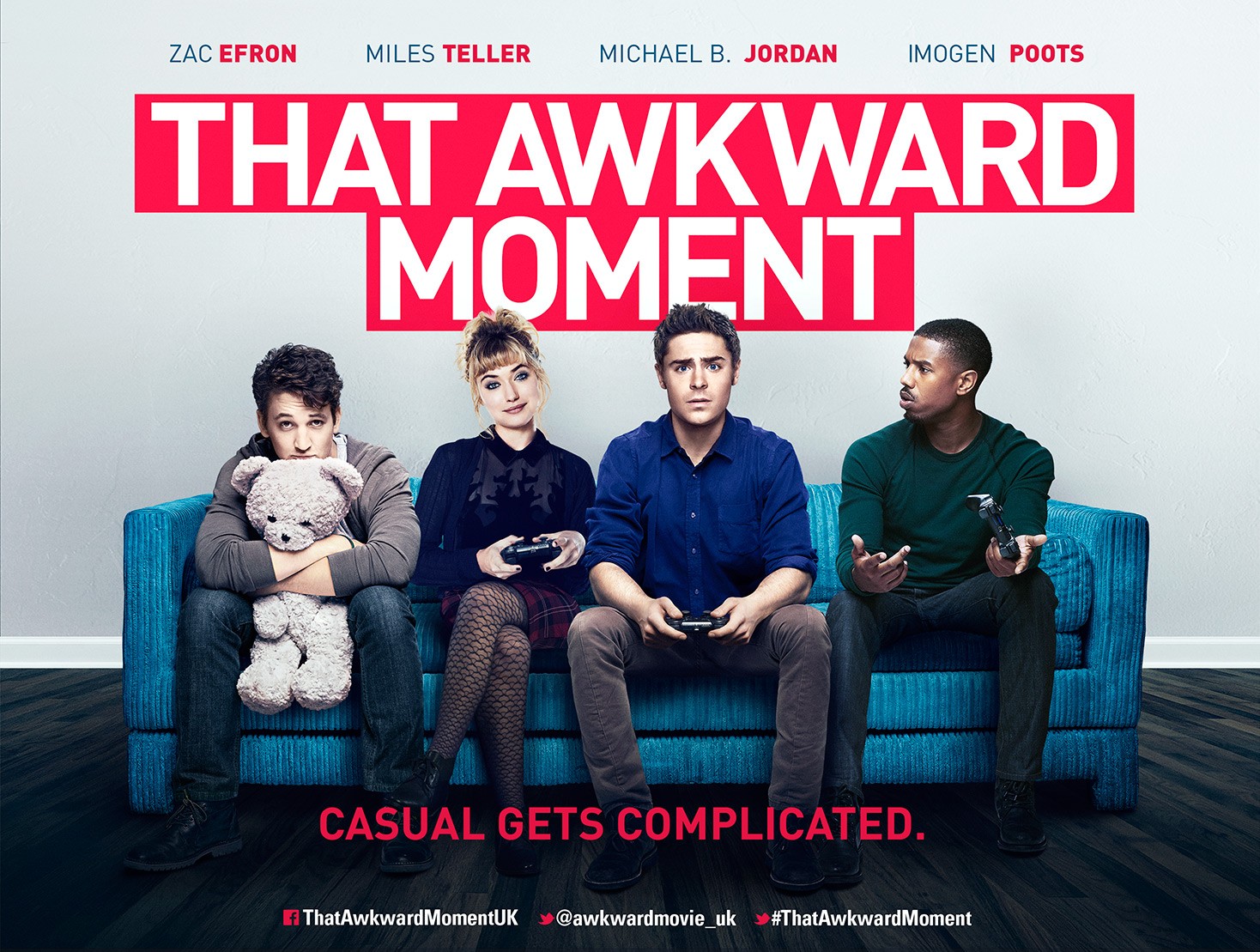
The Pitch: “What if we did a romantic comedy from, say, the man’s perspective?” “Genius, take the rest of the day off.”
The Review Awkward Moments List:
That awkward moment…
… when you’re a married man two weeks shy of forty going to a Zac Efron movie. On your own.
… when you hear the voiceover at the beginning, and find yourself wondering when Zac Efron’s voice broke.
… when you hear the main conceit of the film (guys trying to stay single to protect their friend whose marriage is on the rocks) and think it’s worryingly thin.
… when there’s a joke about a guy who looks like Morris Chestnut and you think he is Morris Chestnut but you can only remember him from Under Siege 2 and that was a long time ago.
… when you come home and Google Morris Chestnut and realise he was in Kick-Ass 2, which you saw not six months ago.
… when they roll out the Morris Chestnut joke again and no-one laughed the first time.
… when the film resorts to “I thought it was a mint, oh it’s really a Viagra” routines after less than ten minutes.
… when the payoff to the Viagra gag is Zac Efron prostrate and naked on a toilet and you realise you’re really not in the target demographic for this one.
… when the film introduces a comedy background character (played by Josh Pais) who’s one of the most excruciatingly unfunny comedy background characters ever.
… when Zac Efron thinks a woman he’s met in a bar is a prostitute after seeing two books, some money and her boots, despite the fact that a prostitute will generally ask from the money up front.
… when there’s a tiny part of you wondering if I’m speaking from personal experience. (I’m not – it’s just common sense. But thanks anyway.)
… when Zac Efron attempts to explain to the woman (Imogen Poots) that he thought she was a prostitute and she actually talks to him again, ever.
… when the film you’re watching is based on a conceit so thin that the film itself forgets about it for a good half hour and then forces it ever more painfully through in an attempt to justify itself.
… when the film manages to conjure up another background supporting character as bad as the first one.
… when you realise the plot is doing its best to see just how much of an asshole it can turn Zac Efron into and still get the girl at the end of it.
… when you laugh, despite yourself, and so does most everyone else in the cinema, and then you all feel embarrassed because it’s over an hour in and so far nobody laughed much at all and actually it was such a throwaway gag maybe everyone just needed some catharsis.
… when you realise that the black guy’s romance plot (Michael B. Jordan) has been sidelined for a long stretch, and he might just be there to cover as many demographics as possible.
… when a major plot twist relies on three people independently walking into a public toilet with a lock on the door and not one of them using it, and you’re expected to just laugh it off.
… when you realise that Imogen Poots and Mackenzie Davis, and probably Miles Teller, deserve better than this, but hey, at least they got paid.
… when you realise it’s not over and the credits have a succession of outtakes.
… when you realise the rest of the audience aren’t hanging around for the outtakes and probably have more self respect for themselves than you do.
… when you realise that this was a script on the 2010 Black List of the best unproduced Hollywood scripts, getting more votes than The Hunger Games, The Butler, Looper, Oz: The Great And Powerful and Crazy, Stupid, Love.
Why see it at the cinema: … when you realise that you’ve only gone to see it because Imogen Poots is great and pretty and you’re old enough to be her dad and now you feel just a bit dirty. See also Zac Efron if that’s your bag.
What about the rating? … when you realise that this is rated 15 because it contains over fifty uses of the f-word, a scene in a sex shop and a man having a wank with some tanning lotion, and this is supposed to be a romantic comedy.
My cinema experience: … when you realise that you’ve fallen back into old habits and are just seeing a film because you’ve got four hours until the film you’re actually paying to see starts, and that going for a walk would’ve been more productive, and that the only real bonus is that this kept the rowdy teenagers in the audience at Cineworld Cambridge so bored they kept generally quiet.
The Score: 3/10
Review Of 2013: The Top 40 Movies Of 2013
2013 might just be another year in terms of film, but it’s been a landmark year in terms of my own contribution to the world of local film. If you’ll indulge me before we get down to business, just a few thank yous I need to put out there. I’ve continued to contribute to Cambridge 105 radio show Bums On Seats, and this year hosted the show three times as well. Huge and hearty thanks to the legend that is Toby Miller, captain of the good ship Bums and the man whose robust editing has come close to making me make sense for the first time in my life, and to all of the other reviewers who’ve had to put up with me throughout the course of the year.
I’ve also had my first reviews published during the Cambridge Film Festival on proper Cambridge film website Take One, and thanks to Rosy Hunt, Gavin Midgley and the team at Take One for embracing me so warmly. (Take One give a writer’s guidance which includes avoiding long sentences; I hope they’re not reading this post too closely.) I also hosted a Q & A at the Abbeygate Picturehouse and four during the Cambridge Film Festival as well as appearing on a panel earlier in the year, so thanks to Jonathan and Pat and the rest of the team at the Abbeygate, Keith, Jack and the rest of the team at the Cambridge Arts Picturehouse and Tony Jones, Verena, Claire and Emily and all those from the film festival team who supported me through the good times and the Honour Q & A where I ended up shouting questions from the sidelines after my microphone packed up and we only had ten minutes.
2013 will also be remembered as the year that we fought the fight against the Competition Commission’s decision that three cinemas owned by Cineworld need to be sold off, two of them being in the two places (Cambridge and Bury St Edmunds) where I see 90% of my films each year. I’ve written more words on this subject than I care to think about and appeared four times on BBC Radio Cambridgeshire and once on the BBC’s national local radio network to discuss and challenge the position, and also freaked a few people out in the village when my radio friendly face popped up on BBC Look East’s nightly news, and the fight – while taking a brief pause while Cineworld Group continue their battle with the Commission – will undoubtedly rumble on into 2014 once the outcome becomes clearer.
When that happens, you will probably see a lot more words from me in both print and in other media, but for now I’d just like to thank all those who have helped and supported the fight and helped to put together the 15,000 strong petition, including Hugh, Mike, Anthony, Amanda, Becky, Jim, Janis, many of the aforementioned and literally hundreds of others who gave time to the debate in some way, including Cambridge MP Julian Huppert and Lord Clancarty who respectively raised the debate in the House Of Commons and the House of Lords and MPs Sir James Paice and Sir Malcolm Bruce who took the time to write with updates, and Chris Mann and the team at BBC Radio Cambridgeshire who put up with me calling from a meeting room in Preston on one occasion. If I’ve missed anyone at all in any of those lists, then please know that your contribution and support was just as valued, there’s just no room to name everyone.
EDIT: In what’s known in film circles as “doing a Hilary Swank”, I forgot to thank my wife, whose tolerance, patience and general humouring of my obsessive compulsive tendencies continue to make all of this possible. For the record her favourites of the year, of the 15 films she saw with me, were Les Misérables (just outside my top 40), Despicable Me 2 (I laughed, but it’s really just minions) and Frozen (see below). This edit has thankfully saved me from not only a divorce, but also having to buy her a kitten.
In among all that, I still managed to see some films. For the first time since starting this blog, half a dozen of those were watched at home, either as screeners or DVD catch-ups for films I’d missed. I also saw 167 films at the cinema, of which 14 were re-releases. I’m also including in this consideration the three films I saw at the London Film Festival in 2012 that I held over from last year. That leaves a total of 162 films that I saw which were released in cinemas either this year or appeared at FrightFest or the Cambridge Film Festival and may yet get a theatrical release in 2014. This top 40 is the cream of that particular crop, and everything on the list scored 8/10 or better when I reviewed it.
As always, there were a few gaps, which included the likes of Gangs Of Wasseypur, It’s Such A Beautiful Day, both of Alex Gibney’s documentaries, I Am Nasrine, Child’s Pose, What Maisie Knew, In A World…, Compliance, Metro Manila, Kill Your Darlings and a host of others. I am always open to recommendations, so let me know in the comments if you think I’ve missed something, or where you can berate me for not selecting Stories We Tell, Frances Ha, Rush, Zero Dark Thirty, Blancanieves, No, Blue Jasmine, Les Misérables or any of the other films I did see but that didn’t make this list.
Right, without further ado, here are the forty films which most entertained, challenged, touched or delighted me in 2013.
40. The Secret Life Of Walter Mitty

We start the list with a film that’s left me feeling somewhat conflicted. On the one hand, Walter Mitty is ragingly predictable, occasionally clumsy and – thanks to Ben Stiller’s gift for making expensive, non-commercial films – packed full of more product placement than two or three Bond films. On the other, it’s deeply felt without descending into mawkishness, has some beautifully constructed moments and I was this far from getting a Cinnabon when in town yesterday afternoon. Stiller manages to make his Mitty sympathetic and his transition believable, and for all his and the film’s faults it was a post-Christmas treat.
39. Filth

I’m not sure of any other culture that could get away with someone as totally abhorrent as James McAvoy’s Bruce Robertson, at least not in the sense of his character being so spectacularly unpleasant. But it’s a role that James McAvoy tackles head on, not shying away from either the more deranged excesses or the deeper flaws that embody the nature of Robertson’s personality. It’s nice to see that Trainspotting wasn’t a one-off in being able to transfer an Irvine Welsh novel to the screen successfully, but for all of the good supporting work from the likes of Eddie Marsan and Imogen Poots this is McAvoy’s film, and he’s a mesmeric force of nature.
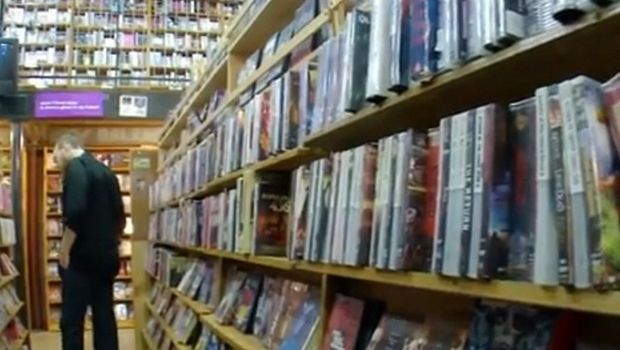
I would love to be able to say that, growing up, I had regular access to the BFI and a subscription to Sight and Sound, which has made me the cultured cinephile that I am today. But I’ve taken a rather more circuitous route to film fandom, one which has its roots in a rather dingy dungeon with no windows filled with VHS tapes below a corner shop which provided much of the film watching of my teens. Rewind This! is a loving exploration of how VHS changed the landscape of film, both for better or for worse, and was a thorough and fascinating look at those still keeping the format alive against all the odds. I’m now cherishing my last few VHS tapes with even more fondness.
37. Dead Cat
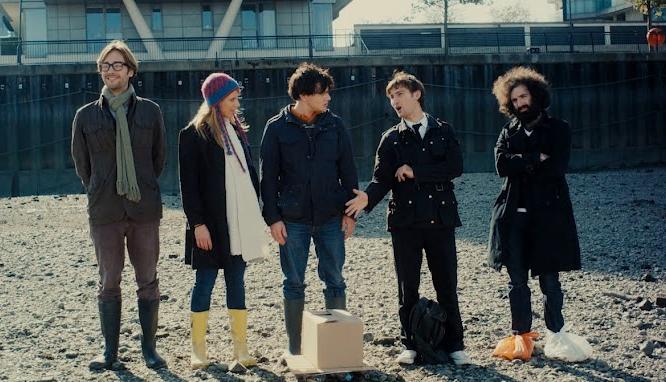
One of those Q & A sessions at the Cambridge Film Festival I mentioned was with Stefan Georgiou, director of this British film which played there three times. Having seen the film on a screener, I introduced Stefan at the start of the film and then stayed in for around 15 minutes, watching the audience try to work out what to make of a film which opens on a shot of a dead cat (thankfully from natural causes). I came back for the last twenty minutes, by which time I found an audience fully engaged with the film and appreciating both the well-constructed laughs and the poignancy of the central relationship, which considers second chances in love and if you can ever go back. The Q & A afterwards ran to around 40 minutes and was one of the most enjoyable I’ve ever hosted, and the inclusion of this film is in no way reflective of any bias at all, honest, probably not, well maybe a tiny bit, it’s my list and I can do what I want, shut up. Still touring festivals, hopefully you’ll see more of both Stefan and his dead cat in the future, and I look forward to seeing it again. (I may just not watch it with my cat.)
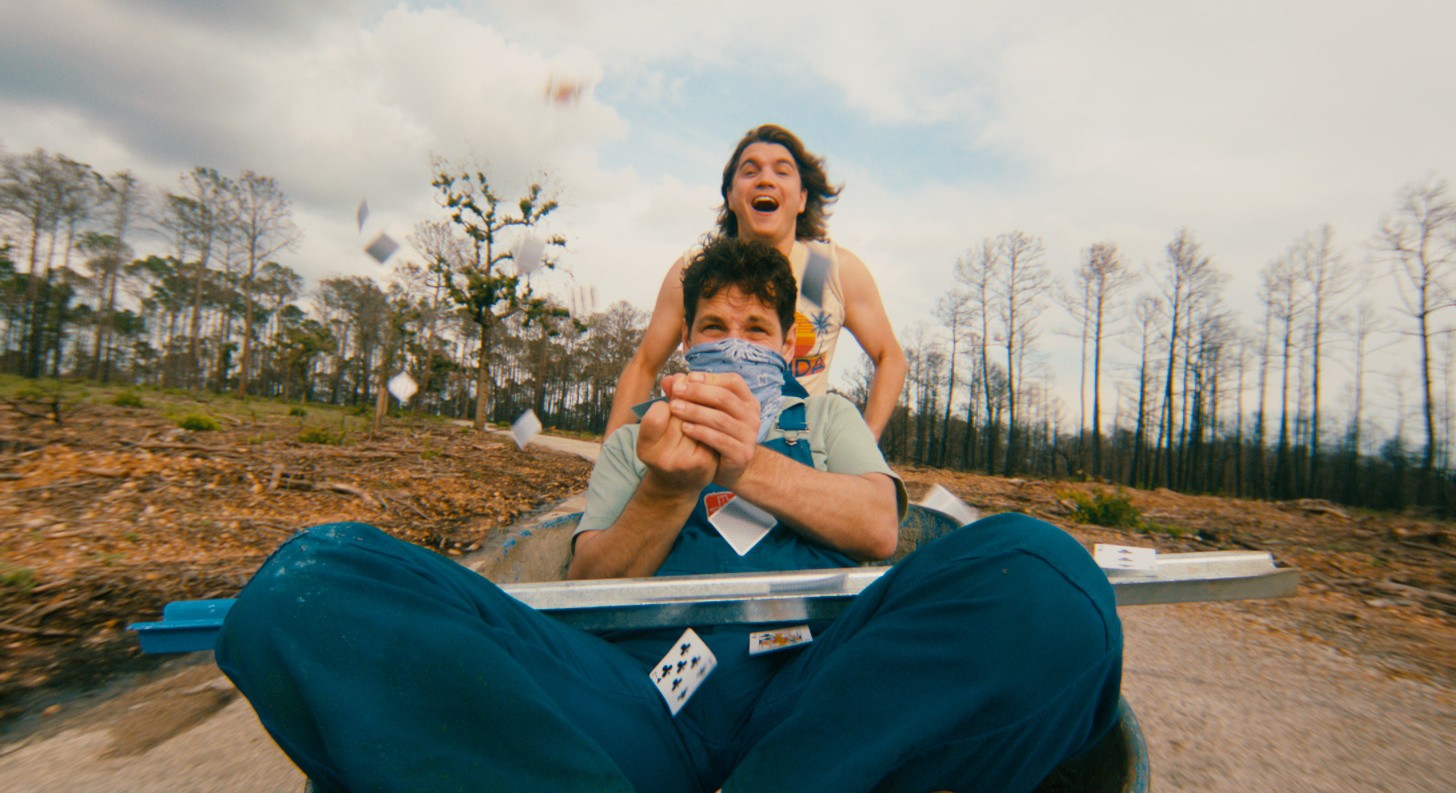
Prince Avalanche is the intersection of two slightly bewildering career paths. Paul Rudd has found fame in Friends and Anchorman, but has become slightly pigeonholed into comedies of the likes of the dire Wanderlust when not showing off the contents of his wall cabinets of perfume and condoms. David Gordon Green made his name with small, independent dramas before branching off into broad, alpha-male comedies such as Pineapple Express. Put the two together, and they’ve created this delightful slice of life in the American countryside. Rudd and Emile Hirsch are both hiding from real life by painting road lines in the wilderness ravaged by forest fire, but what they find – including real life survivor Joyce Payne who lost her home in the fire – has a touching beauty and sense of loss that complements the offbeat humour, with Tim Orr’s cinematography making stunning use of the burned-out landscape.
35. Much Ado About Nothing

Joss Whedon can probably do anything. From taking the charred embers of the failure of his Buffy film script and turning it into not one, but two, successful TV series to managing to make The Avengers a box office behemoth that has guaranteed the future of Marvel films for another decade, he’s had the magic touch and if he put his mind to world peace, he’d probably give it a good go. In a manner that’s almost showing off, he regularly gathers actor friends together to read Shakespeare at his house and committed this production to film in his back garden. It’s got a lightness of touch and glosses over some unlikely Shakespearean plot twists with its winning performances. If you’ve got a kitten stuck in a tree or see a school bus with its brakes cut, Whedon’s probably your go-to guy.
34. The Place Beyond The Pines
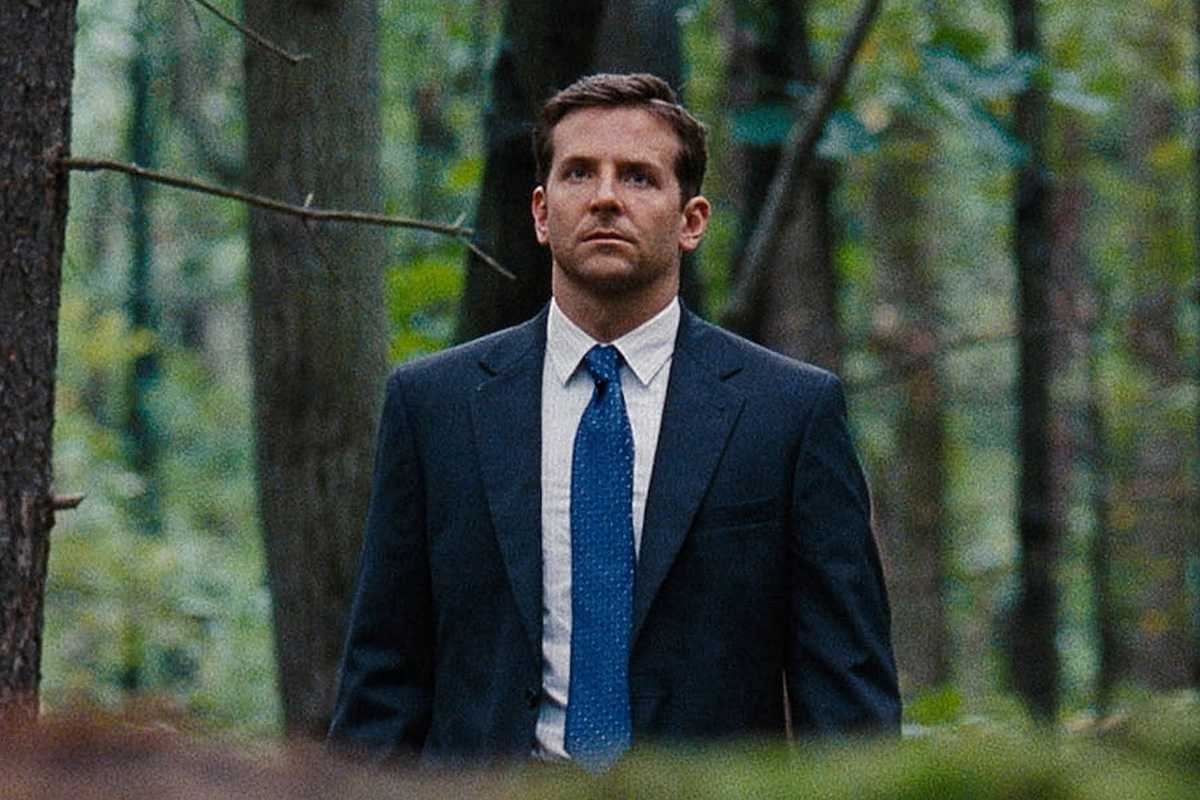
The Place Beyond The Pines justifies a place on this list based on the first of its three acts. Derek Cianfrance’s experiment to focus on three different perspectives of the same story (Ryan Gosling, Bradley Cooper and Dane De Haan respectively) works less well as time passes, but is nevertheless to be commended for the attempt. What works, works like gangbusters and from the intense opening tracking shot, whenever Gosling’s on screen he proves he’s got detached brooding down to a tee. Cooper and De Haan are good and supported well by a cast including Eva Mendes, Ben Mendelssohn and Ray Liotta, but ultimately it falls short of being the classic promised by the early scenes.
33. The Way Way Back
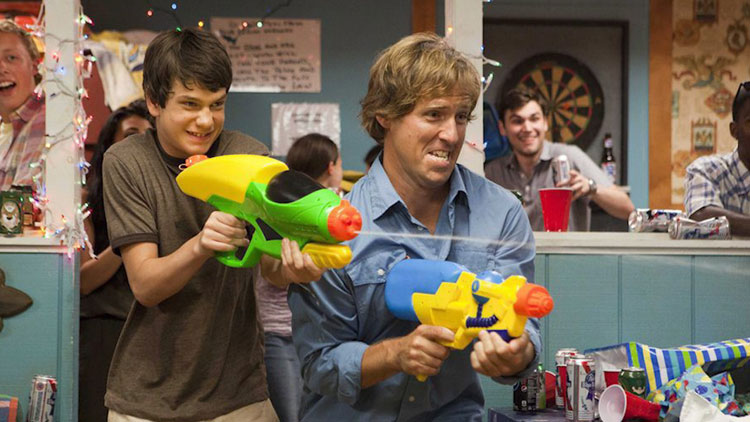
One of two summer holiday, coming of age films on the list and the more financially successful of the two, Nat Faxon and Jim Rash’s screenplay for their directorial debut is a world away from their Alexander Payne collaboration The Descendants. It’s not afraid to cast Steve Carell against type or Sam Rockwell very much in type, and it’s anchored by an evolving performance from youngster Liam James. Happy to confess a soft spot for Jim Rash thanks to becoming hooked on Community (where he plays the overenthusiastic Dean Pelton), it’s nice to see that he and Faxon – who also have small supporting roles – are capable of making it on their own. While there’s a host of great support from the likes of Alison Janney and Maya Angelou, it’s Rockwell who marches off with every single scene he’s in.
32. I Wish

It’s taken two years for Hirokazu Koreeda’s eighth narrative feature film to make it into UK cinemas, so long that his ninth (Like Father, Like Son) also made it to these shores this year. I still feel like I’m dipping my toes into Japanese cinema, but the waters around Koreeda seem warm and embracing and my toes feel quite comfortable on this evidence. Centred around the adventures of two groups of children, each with a child from the same family divided by their parents separation and by geography, Koreeda didn’t finish the script until he’d cast the children and their delightful innocence is well contrasted with the world-weariness of the elder generation of their family. A loving examination of the nature of family, friendship and growing-up.

I might only play games on my iPhone these days, the PS3 now a dusty relic in the corner of the room after it stopped serving its sole purpose (to me) of playing Blu-rays earlier this year, but I’ve been enough of a gaming fan over the years to recognise a fair chunk of the cameos and references in Disney’s latest animated delight. In a year when the only Pixar film was a solid but slightly disappointing return to the Monsters Inc. universe, it’s good to see that John Lasseter’s desire to return Disney to the values of old-fashioned storytelling is still paying dividends. Good voice casting across the board helps and famous cameos from the arcades don’t hurt, but it’s the narrative arcs of Ralph and Vanellope that leave the most lasting impression.
30. Mud

Watching the trailers for The Wolf Of Wall Street and Interstallar, it’s hard to work out why it’s taken so long for Matthew McConaughey to become one of the most reliable actors in Hollywood. Maybe A Time To Kill and his earlier work came too early; now slightly more aged, he’s matured like a fine wine or a well hung steak and is now turning in performance after performance of the highest calibre. While Jeff Nichols’ tale of two children and their adventure around the banks of the Mississippi isn’t quite at the level of his stunning Take Shelter, it’s still made worthwhile by McConaughey’s magnetism; additionally, Tye Sheridan and Jacob Lofland as the two youngsters, in what’s turned out to be a good year for coming of age stories, are both excellent. Can’t wait to see what Nichols comes up with next, especially as it’s suggested to be sci-fi with shades of John Carpenter.
29. Wadjda

Given that it’s both the first feature film shot entirely in Saudi Arabia and the first feature from a female Saudi director, you could be forgiven for thinking that Wadjda might arrive with a few rough edges. But instead, director Haifaa al-Mansour’s film arrives fully formed, clearly influenced by the neorealism of other world cinema but nonetheless providing fascinating insights into the life and culture of this middle-Eastern kingdom. It’s not quite a coming of age story for another impressive young actress (Waad Mohammed), more a catalogue of her entrepreneurial frustrations as she attempts to attain the bike she desires but that society would frown upon her having, and it illustrates Saudi society without ever sitting in judgement.
28. Lore
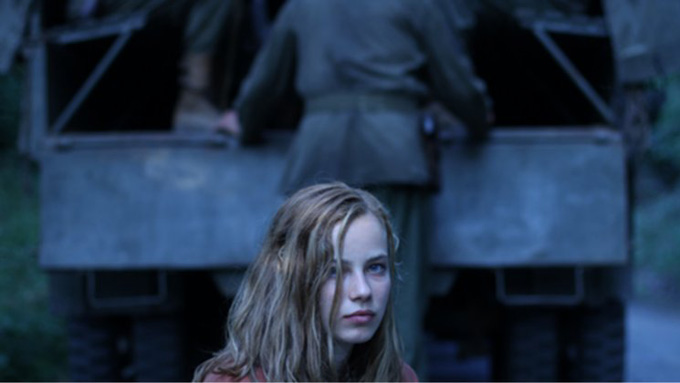
Giving an unusual perspective on a conflict well documented in film, Lore follows a group of children attempting to make their way to safety through post World War II Germany. Indoctrinated into believing the lies of Hitler’s Germany, Lore is a journey of self-discovery for Lore herself (the impressive Saskia Rosendahl) and a fascinating perspective shift on a well-worn subject. Despite its German subject matter, it’s been made by an Australian director with British funding, and Cate Shortland makes excellent use of her landscapes – both the beauty of nature and the fractured buildings in the war’s aftermath – to supplement Lore’s internal conflict. Sadly this one got lost in between the end of the awards season and the start of the blockbuster onrush, but it’s certainly worth another look.
27. Blue Is The Warmest Colour

I stand by my view that, at three hours, this is a story that could have been told more succinctly without losing its raw power and sensitivity, but nearly two months after seeing it many of its images still haunt my memory – and I’m not just talking about the beyond infamous lesbian sex scenes. You’ll not find many better performances all year than those from Adele Exarchopolous and Lea Seydoux and for all of the controversy in the wake of its release – not least from the director and the actresses about the methods of filming – only the hardest of hearts will fail to be touched by this exceedingly thorough examination of the nature of love and relationships. (It’s a sad loss to cinema that three hour films now get shown without an intermission, and we’re just a couple of weeks away from another three hour endurance test for your buttocks with Martin Scorsese’s latest.)
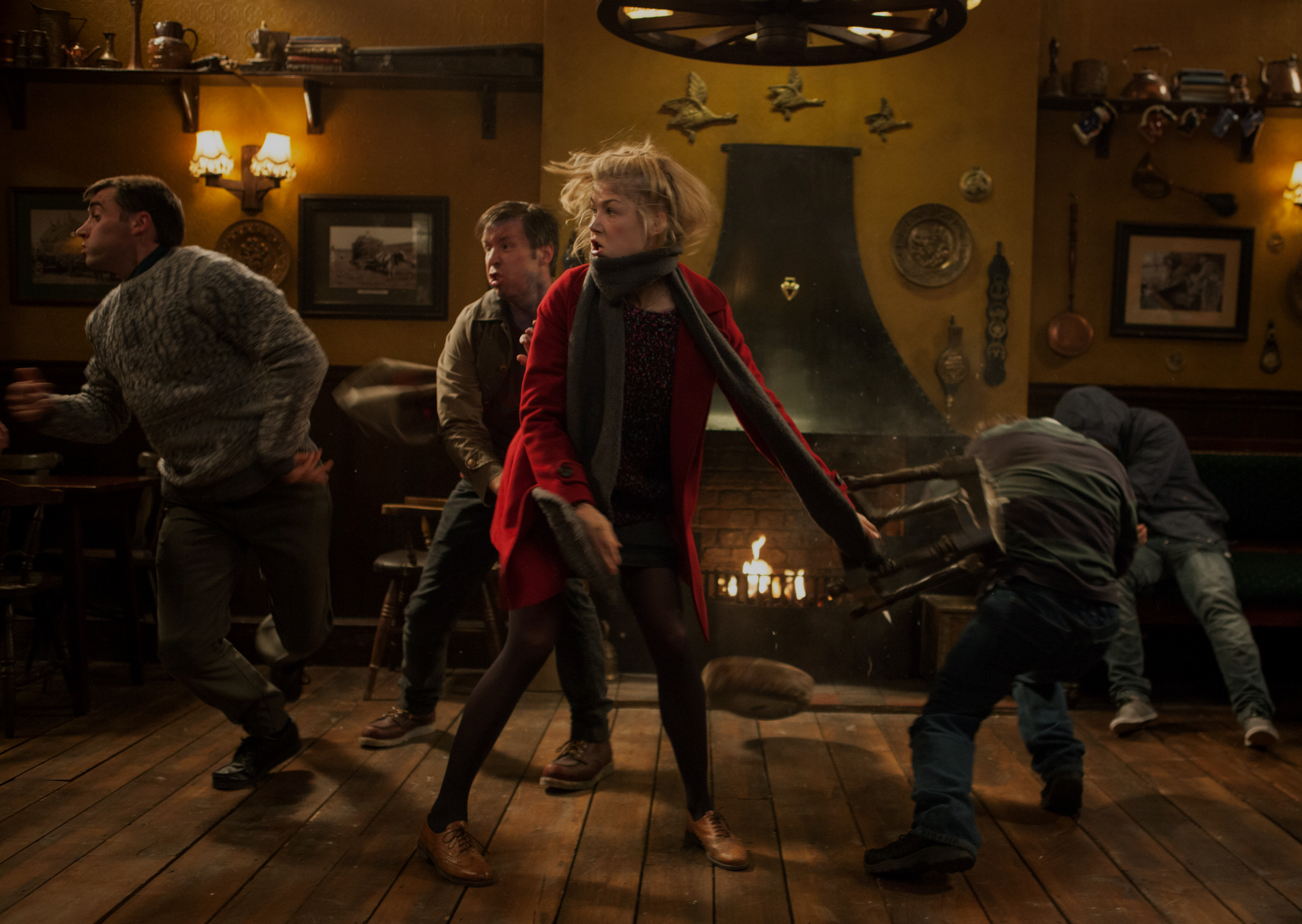
You’d think that seeing Edgar Wright’s latest so relatively low on this list would be a disappointment (his last film was my top pick of 2010 and this is his first feature not to get a full 10/10 from me), but I have a suspicion that this is one film which needs time to breathe. I’ve seen this film more than any other over the course of the year, making three trips to see it at the cinema, and if it’s not quite the film many people were expecting then it doesn’t skimp on hard decisions and doesn’t settle for being a lazy retread of its Cornetto trilogy brethren. The fight scenes are breathtaking, choreographed by Brad Allen from Jackie Chan’s stunt team, and Wright’s filming style manages to keep then in sharp enough focus. One to re-evaluate in a couple of years, I think, possibly once Wright’s Ant-Man is upon us.
25. Short Term 12
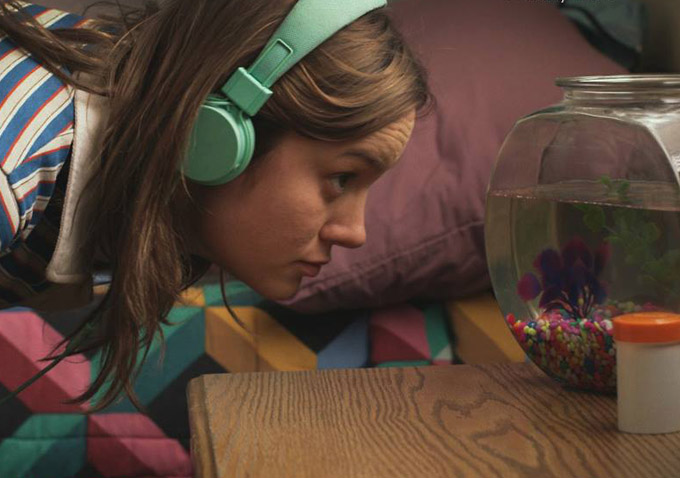
To see a short film expanded to feature length always carries a risk of a lack of substance, but it’s a pitfall avoided by Destin Cretton’s adaptation of his 2008 short. In the process of that move, Cretton’s also taken the decision to switch his protagonist from male to female. Brie Larson’s excellent performance – strong, conflicted and empathetic by turns and never following predictable patterns – is surrounded by a variety of similarly layered efforts from a young cast showing a maturity beyond their years. It loses points slightly for snipping off every single one of its loose ends before the close, but that shouldn’t detract from the the power of many of the earlier scenes.
24. Frozen
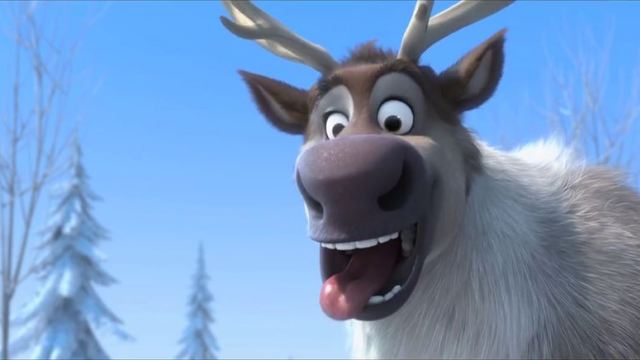
A strong year for Disney animation, this is a return to classic values in every sense. As well as being a very loose adaptation of a Hans Christian Andersen story, it’s an old fashioned musical with catchy Broadway-style tunes and one of the most appealing sidekicks in years in Josh Gad’s naive snowman Olaf. Kristin Bell shows hitherto unseen musical talents and provides a worthy counterpoint to Idina Menzel’s angsty warbling. While the animation is solid without being showy, the evidence of the two audiences I saw this with (once alone for reviewing purposes and a second time with Mrs Evangelist) showed that the younger members of the audience were fully invested and absolutely entranced. With enough knowing humour to keep adults interested as well, this is Disney’s best for some time and while it’s not a daring revolution, it does have the occasional unexpected story wrinkle which drew audible gasps both times I saw it and had one small child shouting at the screen. Love it.
23. A Story Of Children And Film

It feels totally apposite when applauding so many great performances from young actors in film this year that this latest documentary from Mark Cousins should also make the list. Due for a wider release later this year, it’s an absolute must for anyone looking to expand their understanding not only of the role of children in cinema but of cinema as an art form in general. Cousins takes a twelve minute shot of his niece and nephew with a marble game and, with the help of editor Timo Langer and researcher Neil McGlone, weaves a compelling tapestry with clips of dozens of films, from the American mainstream to the outer reaches of world cinema. It helps that I don’t think I could ever grow tired of listening to Cousins’ relaxed brogue talking about film, but if you could then this is an ideal bite-sized chunk of film education.
(Incidentally, I had one of those marble games as a child and it was one of my favourite toys ever; if anyone knows where I can get one cheap without me having to go to the trouble of Googling it, do let me know.)
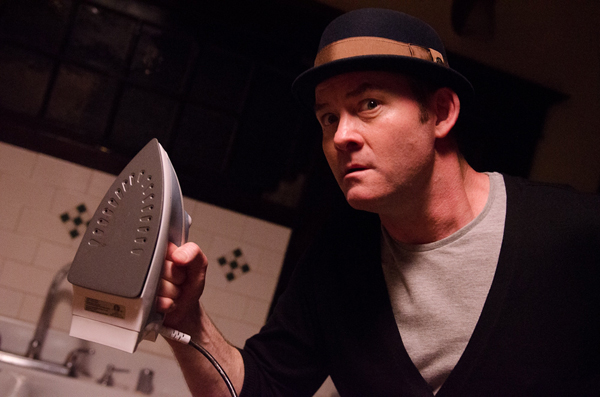
There’s no bigger thrill for me than seeing a film with a large audience that’s totally into it, and I saw Cheap Thrills as the late night screening in the Empire Leicester Square – an auditorium holding over 1,000 people until recently – and Cheap Thrills was absolutely worth the drive home from Leicester Square at half past one in the morning after a long day in the cinema. Once you’ve got past the novelty value of David “the other one from Anchorman” Koechner actually being given a decent role, an opportunity he grasps with relish, then Cheap Thrills judges the escalation of its simple scenario perfectly. It’s a high concept – rich man gets his kicks by offering two men desperate for money for completing increasingly twisted tasks – but one that provides laughs, drama and had 1,000 people clenched on the edge of their seats by the final act. It’s getting a limited US theatrical release in March after touring the festivals, and I hope it makes it to a cinema screen again in this country as it’s worth seeing with as big an audience as possible for its darkly comic thrills.

The first film I saw in 2013, and an excellent benchmark by which to judge the rest. I love photographic documentaries, and it’s an art form I’d love to explore in more detail. The richness and deep emotion of Don McCullin’s single frames are perfectly captured on screen, and the use of archive footage and new interviews also gives a valuable insight into McCullin himself, a man never content to be a passive observer of the horrors of the world he did so much to document. In an age when print media, the foundation for four decades of his work, is under threat, it’s to be hoped that there area still opportunities for the McCullins of this world to get their work seen, but this is a gripping examination of the power of the camera lens and its ability to shock and to challenge the viewer.
20. Beyond The Hills
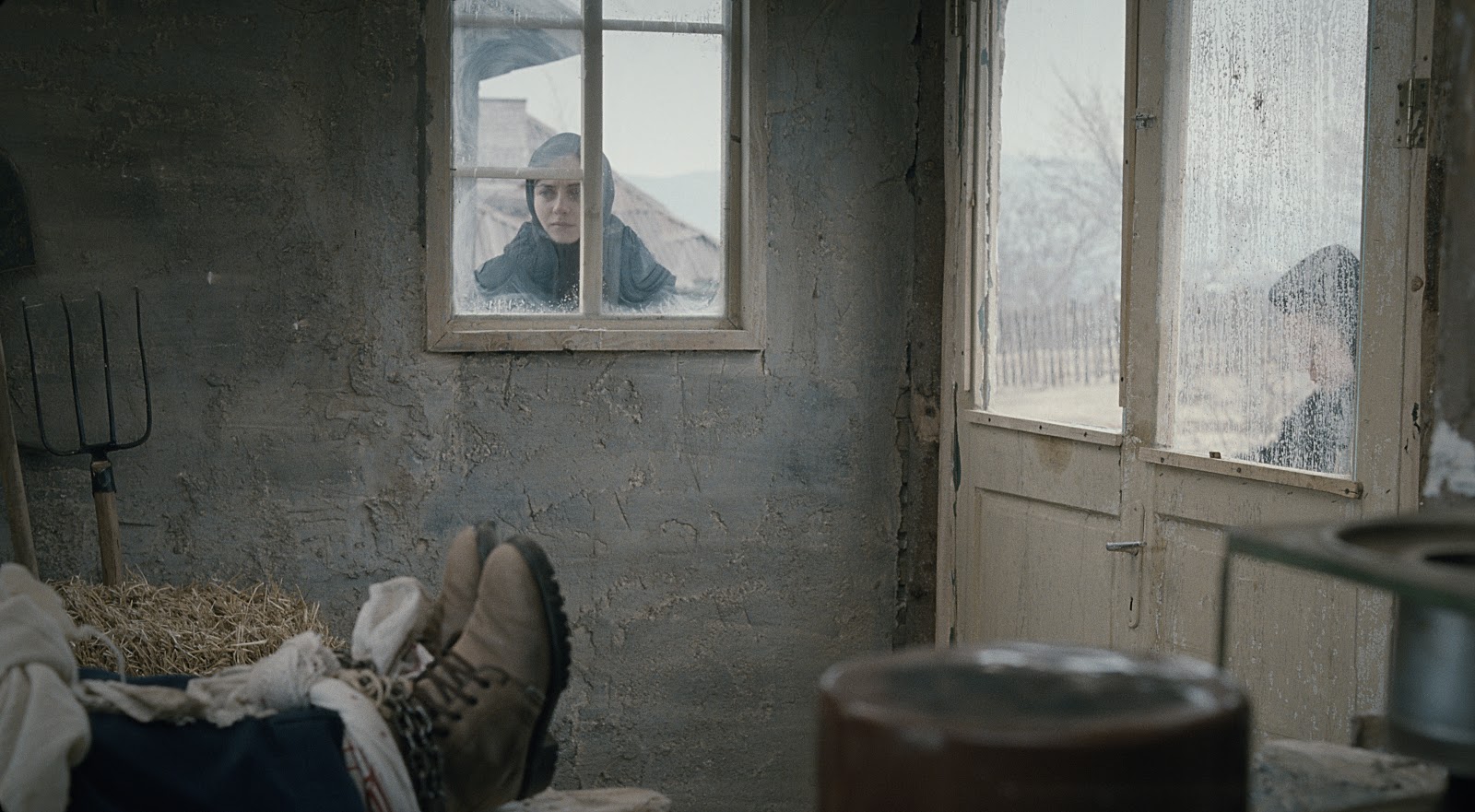
Cristian Mungiu’s latest is an examination of the place of the church in contemporary Romanian society, and what comes over initially as a condemnation of the facile view of the church and the potential effect on its believers, it gradually reveals itself as something much more complex. It’s drawn comparisons to Mungiu’s previous 4 Months, 3 Weeks and 2 Days, favourably for both its two strong female protagonists (in this case Cosmina Stratan and Cristina Flutur) and for Mungiu’s striking use of framing, superbly backed up by Oleg Mutu’s stark, earthy cinematography. It’s initially static and may be only for those willing to let their films breathe and find their space, but by the end its descent into a reality bordering on horror (all the more so for its inspiration in fact) is worth the effort for those with the patience.
19. Stoker
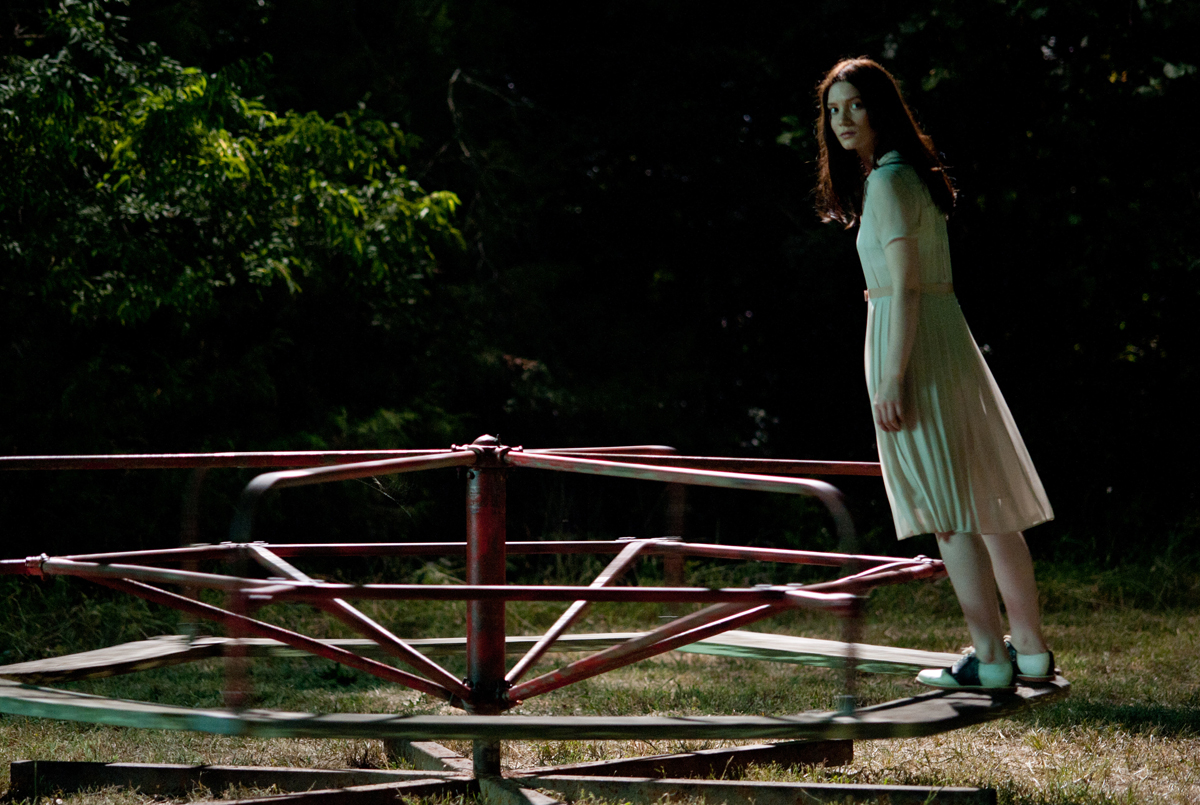
Many people were taken this year with Park Chan-wook’s first English language film this year, although a fair few were also alienated, either by the extensive drawing on the legacy of Alfred Hitchcock – Wentworth Miller, the unlikely screenwriter, has admitted the influence of Shadow Of A Doubt – or by finding the film style over substance. When the style’s this good, you could be forgiven for not being too concerned about the rest, but Park has a strong cast on top form willing to nudge a few boundaries and I fell into the camp in love with this quietly disturbed thriller. Clint Mansell’s brooding score helps the mood no end, but it’s Park’s powerful construction of imagery that lingers longest.
18, Lincoln
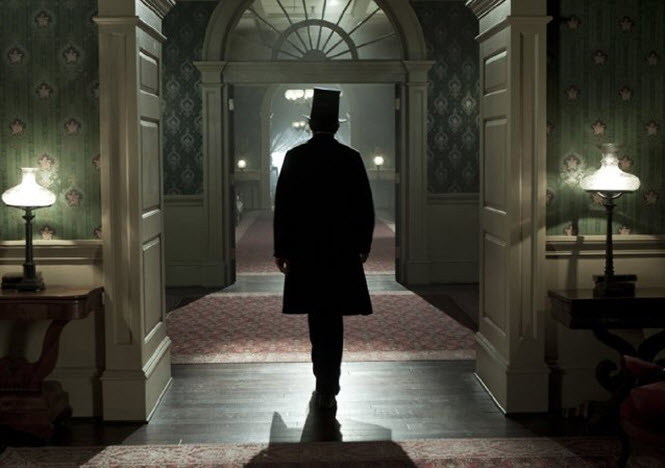
One performance towered over every other this year, with Daniel Day Lewis deservedly picking up a third Oscar for his portrayal of America’s finest elder statesman. Having started my 2014 cinema year yesterday with Idris Elba’s Mandela, it provides two interesting contrasts: firstly, where the Mandela biopic attempts to shoehorn fifty years of his life into a two hour run time, Lincoln shows the sense of focusing on a much shorter period, in this case the battle to bring in the Thirteenth Amendment. It also shows that, as good as Elba’s performance is as Nelson Mandela, it’s still recognisably Idris Elba acting. Day Lewis, infamously method and none more so than here, disappears into the role completely it feels more akin to time travel than watching a performance. Spielberg’s direction is satisfactory without being showy and John Williams’ score is predictable, but this is a showcase for yet another towering performance.
17. Nebraska

A step up for Alexander Payne after the somewhat morbidly obsessed The Descendants, it came as a shock to me at the end of the film when the credits rolled and Payne wasn’t listed as the screenwriter. However, the material is a perfect fit for his sensibilities and his casting is impeccable; it would be difficult now to think of anyone other than Bruce Dern or Will Forte filling those roles, despite the likes of Robert Duvall and Jack Nicholson (for the father) and Bryan Cranston and Matthew Modine (for the son) being shortlisted. The black and white cinematography is a good match for Payne’s tale of squashed optimism in the American midwest, a collection of tortured souls with a still-beating heart that binds them together.
16. Captain Phillips

In reviewing films, I always aim to come to a judgement based on a single viewing, and often have a figure in my head for the final score out of ten very early on. It’s safe to say that the last fifteen minutes or so of Captain Phillips may have put as much as two points on the final score of Paul Greengrass’ latest, and if there was an award for Most Valuable Player in film this year, Tom Hanks would be a strong candidate. He gets a variety of opportunities to remind you why he’s got two Oscars in the trophy cabinet back home, but Greengrass builds an atmosphere of unbroken tension amid his military fetishism to give Hanks’ performance the platform it needs.

My favourite horror of the year, which first played at Frightfest and which I caught in their stream at the Cambridge Film Festival this year. It’s an almost pitch-black comedy with undertones so dark they have their own gravitational pull, as two Israeli film makers, Aharon Keshales and Navot Papushado, take three horror or drama stock characters – the father out for revenge for his daughter’s death, the suspected perpetrator and the bent cop willing to go outside the law to bring him to justice – and throws them together in unexpected ways. Frequently tense and with flecks of absurdity, it’s a fantastic calling card for Keshales and Papushado and is recommended for anyone who likes their horrors tart and uncompromising.
14. Upstream Colour

In my earlier list of films I’ve not seen, I didn’t mention To The Wonder; I’ve struggled so much with Terrence Malick’s last two films that it may be the only film I consciously avoided this year. Upstream Colour drew comparisons with Malick’s work for the composed beauty of many of its shots and for the sparse dialogue for much of the running time, but in terms of it’s plotting it couldn’t be further removed from the deliberate obfuscation of Malick’s constructions. Imagine instead a lengthy Malickian epic edited down to a breezy ninety minutes and with only the relevant information from any scene retained. Challenging but ultimately rewarding, it’s in direct contrast to Shane Carruth’s previous film Primer which was far more enjoyable to think about afterwards than it was to watch. Thankfully Upstream Colour succeeds both in the moment as well as lingering and provoking for days afterwards.

One of the biggest disappointments of my year as a member of a cinema audience is the complete lack of people who came to the first screening of Lucy Walker’s latest documentary at the Cambridge Film Festival this year, perhaps put off by the thought of a collection of dunderheaded snow jockeys eulogising their sport for an hour and a half. But The Crash Reel is something entirely different, a cautionary tale and a crushing indictment of the culture that surrounds snowboarding and the pressure on its participants to perform increasingly dangerous stunts for entertainment, often at the risk of their own health and all too often at the cost of their own life. At the core of The Crash Reel is the story of Kevin Pearce, who suffered a traumatic brain injury just prior to the last Winter Olympics and the struggles of his family, including his father and his brothers (one of whom has Down’s Syndrome) to get Kevin to come to terms with what’s happened. Impossible to watch extreme sports in the same light once you’ve seen this.
12. The Kings Of Summer
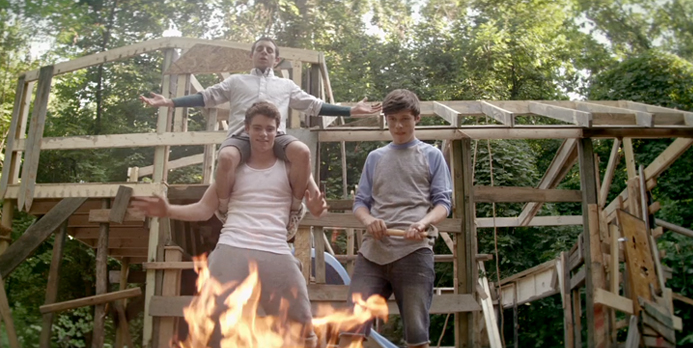
Yes, it’s another teens in summer movie, but what helped The Kings Of Summer to stand out from the crowd was the tight script, with some of the year’s most quotable dialogue, and the excellent performances. Nick Offernan and Megan Mullally are particular highlights among the parents but the year’s best comic creation has to be Moises Arias’ Biaggio, with his talk of disillusioned bears and his unconvincing camouflage. Jordan Vogt-Roberts’ direction and Chris Galletta’s script capture sublimely both the attempts to avoid the ennui of the summer holidays and the frequent, compelling absurdity of childhood that is often lost as we pass through adolescence.
11. Prisoners
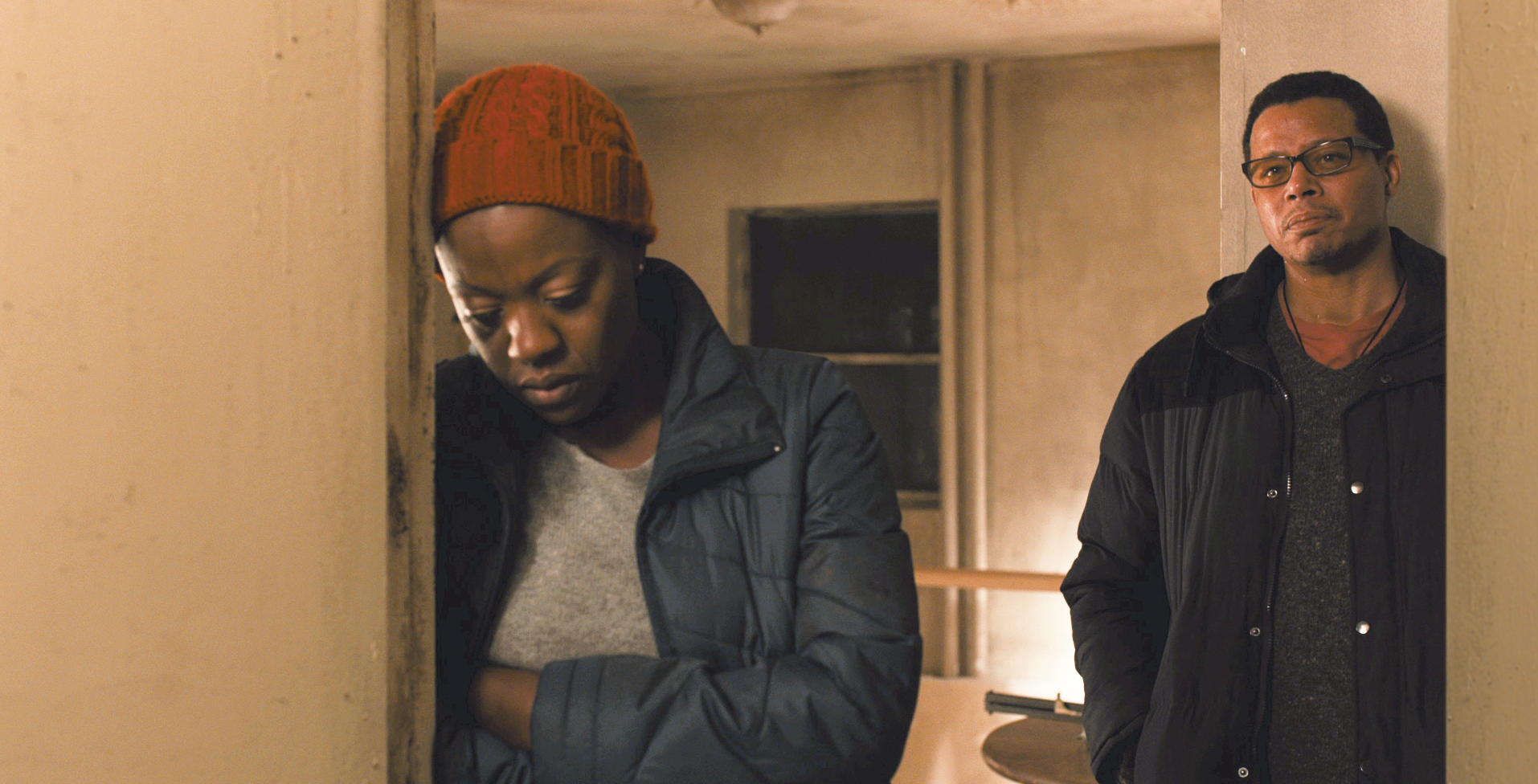
The trailer made it look like another generic Hollywood thriller, but anyone familiar with Denis Villeneuve’s Oscar-nominated Incendies will have expected more, and hopefully won’t have been disappointed. An all-star cast all get at least a moment for their acting showreels, but its the tortured yin and yang of Hugh Jackman and Jake Gyllenhall that propels Prisoners forward. Never feeling overstretched at two and a half hours, Villeneuve’s confident and gripping thriller isn’t afraid to look into its own soul and to grapple with what it finds in there, capped off with an ending that retains ambiguity without feeling a cheat.
10. Side Effects
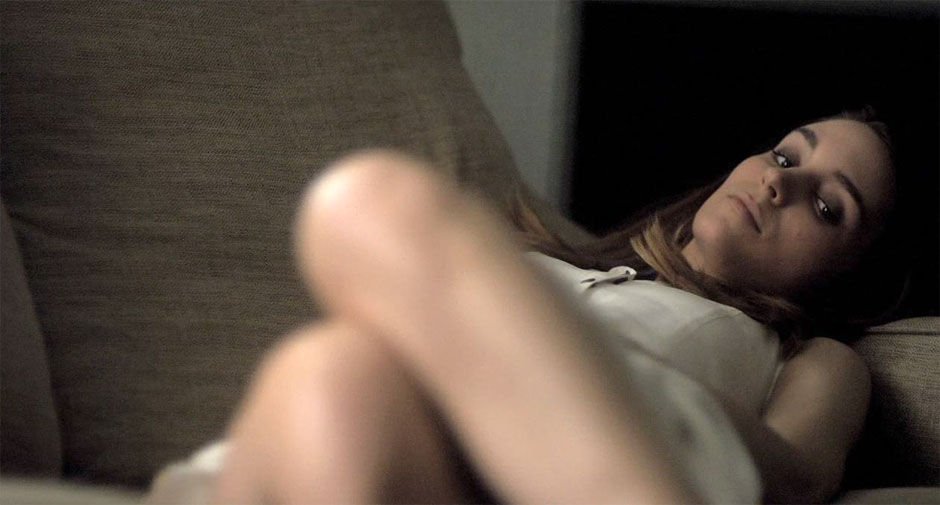
Dear Steven Soderbergh, if you have retired from directing then thanks very much for one of the most varied and enjoyable careers of the last few decades. If you decided to leave people wanting more, then Side Effects was the best way to go about it, a psychological thriller with more twists and turns than a Curly Wurly left out in the sun and just as much of a deliciously naughty treat. It manages to use big themes and turn them into window dressing, but never at the expense of them or the plot. If you feel you might still have it in you for one or two more films of this calibre, even a few years down the line, we’d remain most wholeheartedly interested. Yours faithfully, your audience.
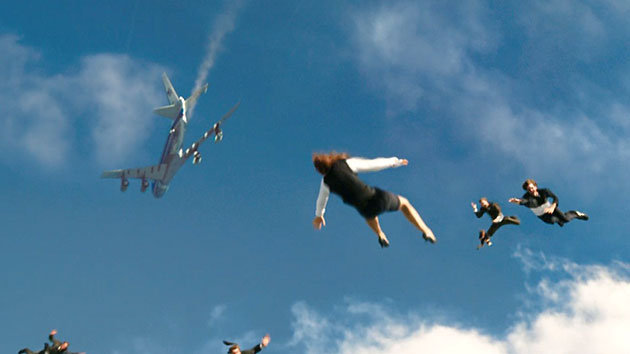
I caught a few minutes of the Tim Allen film The Shaggy Dog on TV over Christmas, with a hyper and excited Robert Downey Jr. slumming it in a criminal role (in more than one sense of the word). It seemed as if Kiss Kiss Bang Bang wouldn’t fulfil its potential in reviving Downey Jr’s career, but here we are just seven years later, reunited with Shane Black and now one of the world’s most bankable stars, thanks in no small part to ol’ Shiny Helmet himself. Iron Man Three is not only the best of the Iron Man movies (standing equal with the first hour of the original), but overall betters anything so far to come out of the Marvel machine since the Avengers programme started and if any of the slate of the next two years matches this quality, we should be loudly satisfied.
8. The Great Beauty

I turn 40 next month, and Mrs Evangelist has some form of surprise up her sleeve. It will have to go some to top my thirty-fifth birthday, a week spent in Rome and a visit to the Vatican on the day itself. (The next day we went to the Coliseum, only to find it closed due to strike action. That’s Rome for you.) The Great Beauty captures a variety of facets of this cosmopolitan city to startling effect, and as a whole becomes greater than the sum of its not insignificant parts. Hands up, as part of my film education programme I’ve still not seen any Fellini – hopefully this year – so I may not have the basis for comparison of a learned film critic, but The Great Beauty thrilled and tantalised me in equal measure.

The most divisive film of this or many other years, it appeared on both The Guardian and Little White Lies top 10s of the year, but also popped up in Empire’s worst of the year list. It’s a completely different beast to Nicolas Winding Refn’s previous run-out in Drive, although the uberviolence, Ryan Gosling and a throbbing, pulsating score from Cliff Martinez all make a return this time. They’re joined by a heap of Thai-themed style, a dragon-like Kristin Scott Thomas and an angel of vengeance with a magically appearing samurai sword. It’s a film to be absorbed rather than enjoyed and its pleasures are none more guilty, but I gleefully drank in every seedy frame.
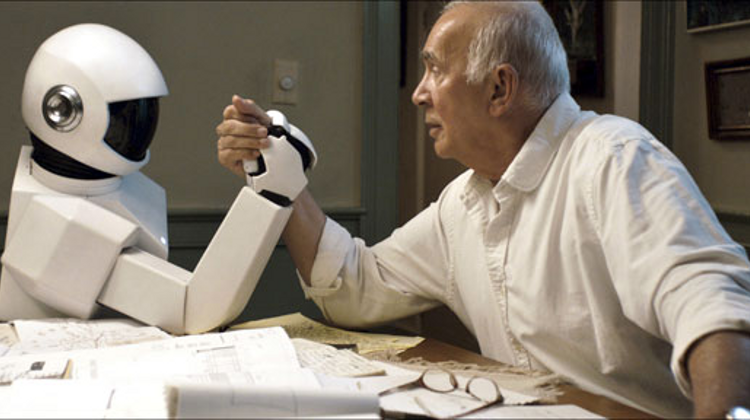
When I first started blogging, I had a private concern that some of my opinions were too far from the mainstream to be of any use. (Actually, my choices do tend to line up with the general public and with film critics, so if anything my concern should be that I’m not differentiated enough to be of value.) But in the final analysis, all you can do is be true to yourself, and in that I was completely smitten by the relationship between a cantankerous, barely retired thief and his unlikely artificial manservant. Frank Langella is outstanding as the forgetful septuagenarian who forms a begrudging bond with his iButler, and Jake Schreier’s direction and the supporting cast complement rather than detracting. It might not be well remembered by later generations, but it found a firm place in the heart of this one.
5. Before Midnight
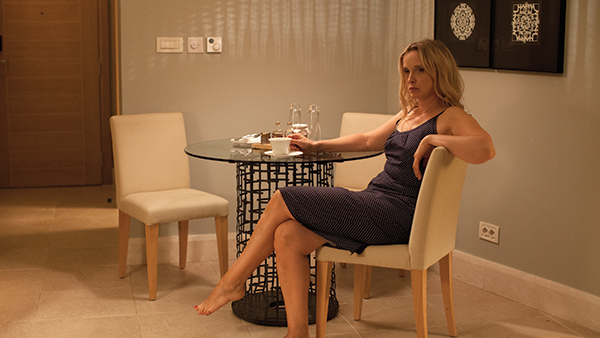
Never having seen them before, I consumed all three parts of the Before trilogy in the space of a single day this summer. Taken together, they form one of the most compelling movie trilogies of all time; on its own terms, Midnight shows that Richard Linklater and his stars aren’t too attached to the magic of their earlier work to allow a welcome dose of reality to intrude. Hawke and Delpy are both a little more weathered and abrasive, both now verging on unsympathetic at times, and once again we are presented with a moment in time in the lives of these two which leaves a feeling of hope, this time tinged with a touch of sadness but all the stronger for it. I for one wouldn’t object to another catch-up in nine years if it can be as honest and open as this.
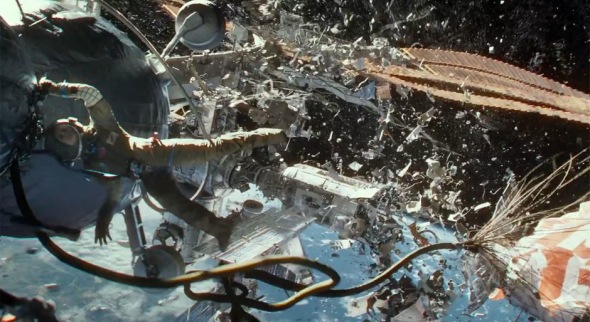
Yes, it’s giant spaceships exploding in 3D in a manner which Michael Bay probably fantasises about every night in bed, but it’s filtered through the keen eye and expertise of Alfonso Cuaron, now master of the long take, and built on a seemingly simple tale of clinging to life that seeps itself in metaphors of discovery and rebirth. I might still be having nightmares about falling out of space thanks to the dramatic opening sequence, but the character moments – such as Sandra Bullock’s desperate attempt at conversation with a fisherman – are their equal and Bullock and Clooney defy the technical straitjackets imposed upon them to deliver compelling performances. But how many more films will need to be released that claim to prove the benefits of the 3D format before other directors start to learn the lessons of how to shoot in the format?
3. The Selfish Giant
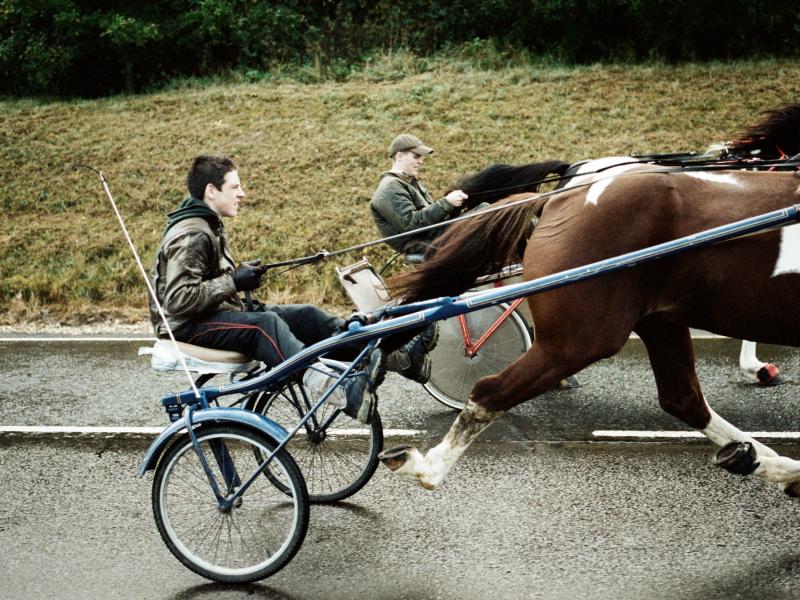
The best British film of the year, and a clear sign that Clio Barnard is now a force to be reckoned with in British film making. Coupling the social realism that’s such a staple of British cinema with both a sense of beauty, turning the British countryside into an ethereal wilderness, and at times a sense of urgency. There’s tragedy here, and it’s the only film of the year that had me properly in tears – a far cry from 2010 when I would practically weep at the opening of a bag of popcorn – but there’s also a gleefulness and a celebration of the exuberance of youth. The Selfish Giant is a towering achievement (sorry) and yet another film that stayed with me for days, if not weeks, afterwards.
2. Django Unchained

When seeing a link to it online earlier this year, I was amazed by just how much of the Django script didn’t make it to screen as by what did. There’s no doubt that Tarantino’s scripts are up there with the best of them, every line of considered dialogue having a point to make and nothing wasted, but this might be the best cast yet put together for a Tarantino feature, with Jamie Foxx just undergoing the right journey in the title role and with Christoph Waltz, Leonardo DiCaprio and Samuel L. Jackson all worthy of awards consideration for my money. If you can overlook Tarantino’s two cameos, the second of which – saddled with an Aussie accent of sorts – is especially fourth wall breaking, then for my two cents Django stands right up there alongside Pulp Fiction and Kill Bill Vol. 1 with the top tier of Quentin’s films.
1. The Act Of Killing
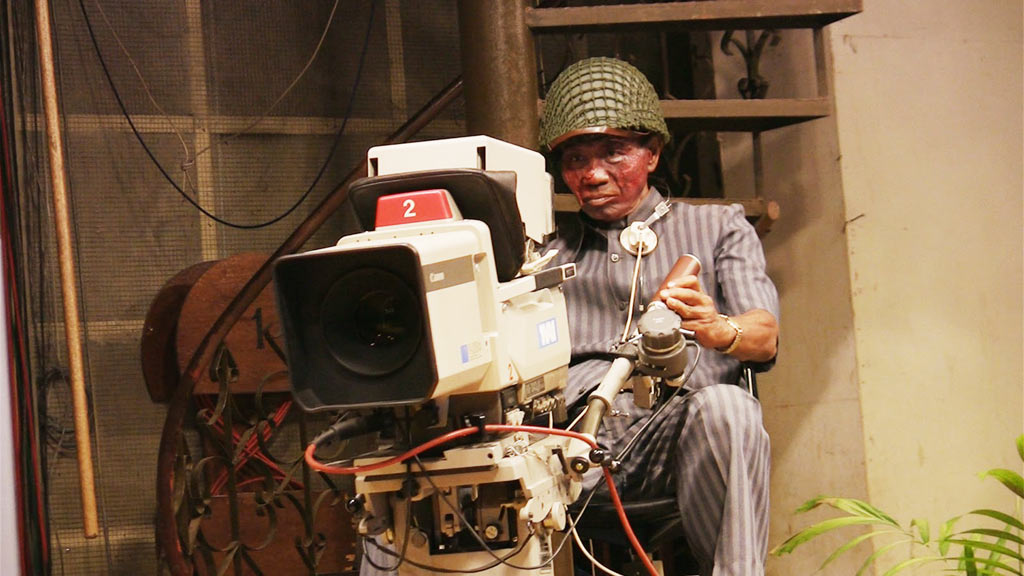
Over the course of the previous thirty nine films on this list, we’ve considered the varied power that film can exert on its audience. But my top choice this year goes much further than that, having exerted a profound and astonishing effect on its subjects and one which may, in the fullness of time, have an impact on the very nation it portrays. Joshua Oppenheim’s documentary… actually, there may need to be a new word for whatever this is because the dictionary defines a documentary as, “using pictures or interviews with people involved in real events to provide a factual report on a particular subject” and this goes so much further, as very few documentaries have ever done with such power, passing beyond the objectivity of documentation and staring directly into the heart of its subjects, then directly challenging them to the very core of their beliefs.
If all The Act Of Killing succeeded in doing was documenting the appalling atrocities of the Indonesian genocide that started in 1965, it would be an achievement. To then show how the perpetrators not only go unpunished but effective still see their actions influencing the politics of modern day Indonesia is shocking. To get those perpetrators to act out their crimes in a manner varying from gangster film to hallucinogenic musical is deeply compelling. But then to bear witness to the dramatic effect that achieving an understanding of their crimes has on them is by turns angering, sobering and perversely gratifying. The Act Of Killing is a stunning achievement and richly deserves all of the plaudits so far applied to it, and it is by some distance my film of 2013.
Comparison of this year’s films
As a footnote, this table shows the UK box office (where available), the IMDb user score and the Rotten Tomatoes critic score for each of the films in this year’s list, so you can see how my judgement compares to popular and critical opinion.

Previous years:
Review Of 2013: The 10 Worst Movies I Saw In 2013
The mark of a good film critic should be their top 10 of the year (or however many they feel is an appropriate number). It gives you a reasonable guideline as to whether or not their kind of film is your kind of film, and if you can reliably take their opinion as a guide when choosing the films to see on a regular basis. The mark of a good film blogger, on the other hand, should be their bottom 10 of the year. Unlike a critic, who is contractually obliged to watch everything, a blogger is typically picking and choosing and their bottom 10 should be a reflection of how often they’ve put themselves in harm’s way. Now, it’s fair to be said that reviewing a poor film in often significantly more fun that critiquing a good one – and more fun to read as well – and the same can be said of anything from restaurants to bicycle pumps, but there are only so many times any sane person should put themselves in the path of tedium and banality in the name of the gratification of their readers.
So in that sense, it’s been a great 2013 for me. Rather than last year, where my bottom 6 were all one star films, this time that can only be applied to the bottom two, and the remaining eight in the list make up all of the two star films I saw this year; anything else in the 150 or so new films I saw in the cinema, plus re-releases and films seen at home, were all worthy of at least two and a half stars. Consequently I would only really suggest the top – or bottom – four should be completely avoided; all the rest are more of an “approach with caution” warning, and you may well find more of merit in them than I did. I will, as always, provide my justification for seeing it, and any full reviews have a hyperlink on the title.
There is another way of looking at this: even though it was a TV movie, so wouldn’t appear on this list, I found one film this year utterly trashy and poorly made, yet still some admittedly clichéd fun. So these are the ten films this year that I enjoyed less than Sharknado.
 10. Hawking
Reason I watched it: it was the gala opening of the Cambridge Film Festival, with the man himself in attendance.
There’s nothing hugely bad or offensive in Hawking, other than the fact that it gives about as much real insight into the world’s most prominent living scientist as looking at a postage stamp gives you insight into the Queen. There’s nothing of any real meat or consequence here and most of it misses the point by a wide margin, and the tantalising glimpses into what drives Hawking are all the more frustrating given their lack of context. Some topics are sensibly glossed over to a point; I don’t believe there’s much to be gained from delving into Hawking’s marriages and their break-ups, but actually the viewpoint of his first wife Jane provides some of the documentary’s best moments.
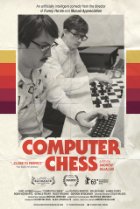 9. Computer Chess
Reason I watched it: because I grew up in the time the film portrays.
Maybe the reason I didn’t take to Computer Chess was exactly that: it felt like an hour and a half in the company of some of my less interesting computer science lecturers from the early Nineties. I did computer science at GCSE, A-level and as part of my degree, and while others saw a great amount to appreciate in this mock doc of nerds from the Eighties, to me it felt like a reasonable ten minute short stretched way beyond breaking point, familiarity breeding contempt well before the end. The characterisations are all one note and with too little variation, the plot runs like treacle and the ending feels tacked on. Let’s just say I wasn’t a fan.

Reason I watched it: The Planet Hollywood boys all had a film out around the same time, and I wanted to compare and contrast.
The winner of that particular competition, by a considerable distance, was the Arnie comeback movie The Last Stand, which had no pretensions other than being a good deal of fun and succeeded admirably on those terms. Bullet To The Head, on the other hand, is tedious in the extreme and director Walter Hill at his least inspired; those who know much of Hill’s work will know that’s not a good sign. Stallone mumbles his way through a turgid script that feels as if direct to video would have been a compliment, the action’s completely uninspired and it all attempts to morph into some form of half-hearted buddy movie with less chemistry than a Junior Chemistry set with half the pieces missing. Sadly, it wasn’t the worst of the three Arnie / Sly / Bruce movies from the first quarter of the year, by a long, long way.
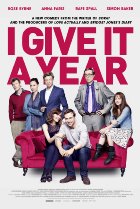 7. I Give It A Year
Reason I watched it: because the trailer actually looked reasonable.
There’s no harm in attempting to invert the tropes of the romantic comedy; why should it always be sunshine and light? On paper, the attempt to start with a marriage and then watch the comedy spring from seeing that marriage on the downslope to catastrophe should provide more laughs than the normal romantic comedy. On screen, it became a collection of insufferable oiks who deserved everything they got and the general sense of unease sapped the fun quicker than you can say “decree nisi”. The ending is nonsense, but by then I was well past caring.
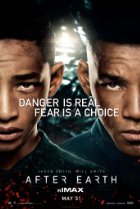
Reason I watched it: I still cling to the increasingly forlorn hope that M. Night has one good film left in him.
It’s not this one. M. Night will always hold a place in my heart for the simple reason that Unbreakable was the film I saw on my first date with Mrs Evangelist, back when we were both much younger and I was less wrinklier. (She isn’t more wrinklier, in case you were wondering.) After Earth manages to retain the nonsensical plotting of later Shyamalan while retaining the forced stoicism that passes for acting in his films, and it all comes across as slightly laughable when it’s intended to be threatening and tense. At this point, I’d be too afraid of the often requested Unbreakable sequel for the fear he’d screw it up.

Reason I watched it: because I’m a card-carrying Trekkie.
When I saw Star Trek Nemesis, the last of the four Next Generation excursions into cinemas, I felt – and Paramount agreed – that it was time to give the franchise a rest for a while. I didn’t expect to be revisiting those feelings just two films into the reboot of the franchise, especially when I’d enjoyed the 2009 film so much. But my enjoyment of that film was based in part on giving some of the dumber elements of the script a pass, and sadly all of those elements are back with a vengeance this time, given more screen time with some additional stupid layered on with a space trowel. Recruiting Benedict Cumberbatch was a bad move as he acts everyone else off screen, not ideal for your leading men, and the film clings to past elements of the franchise to almost desperate levels. It’s an insult to the intelligence of anyone who’s ever seen, well, anything, and the fact that one of the three writers is returning for the next film is one too many for me.
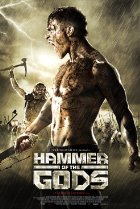
Reason I watched it: because it was showing at FrightFest.
My second trip to the annual FrightFest, held in London’s Empire Leicester Square over the course of five days around the end of August. This year there were four screens in operation, and your day pass entitles you to see anything in the main screen, plus the option to claim tickets for other screenings. This was the one time of day when I couldn’t manage to get into a smaller screen when I didn’t fancy the main screen film, and sadly my concerns were borne out. Director Farren Blackburn has a strong background in British TV, from the likes of Luther and Doctor Who, but he never manages to find the right tone here, the po-faced thrashing about barely enlivened by occasional flecks of humour. Character actors of the likes of James Cosmo populate the background but are given little to do, and if the Vikings were this dull in real life maybe it’s a good job their time has long since passed.
 3. This Is 40
Reason I watched it: because I’m about to turn 40 myself and I thought it would be useful to know what’s coming.
Except no-one in the world is like these people. No one. These aren’t first world problems, they’re – and I’m being extraordinarily generous here – upper middle class first world minor inconveniences, and after an hour I was ready to try to force my way into the screen, grab both Paul Rudd and Leslie Mann’s characters by the shoulders and to attempt to shake some sense into them. Possibly also to scream at them, “YOU’RE RICH AND REASONABLY SUCCESSFUL AND YOU’RE UTTERLY UNGRATEFUL FOR WHAT YOU HAVE. TAKE A LONG, HARD LOOK AT YOURSELVES AND THEN GROW UP!!!!!!” I will not complain once about being 40 as long as someone buys me a copy of this on DVD. So that I can BURN IT.
Reason I watched it: it was showing at the Cambridge Film Festival and I’d heard of the director.
If you see over thirty films in eleven days, most of them chosen on the basis of a short paragraph in the festival brochure that gives you very little to go on, there’s bound to be the odd misstep. I only made two this year: I managed to see an Iranian film called Taj Mahal without realising that it was a direct remake of a French film called The Snows Of Kilimanjaro that opened last year’s festival, and while I preferred the remake it wasn’t a film I ever felt the need to see twice. The other mistake was this, chosen simply by recognition of Richard Jobson’s name, which turned out to be one of the most poorly produced films I’ve ever seen in a cinema. Low quality production values, sometimes obscuring dialogue or rendering scenes unwatchable, laughably bad flashbacks and a script which made me pine for the drama and quality of Shane Meadows’ Dead Man’s Shoes, which this appeared for large parts to be foolishly attempting to imitate. A depressing example of how independent British film can, just occasionally, get it badly wrong.

Reason I watched it: I’d thoroughly enjoyed all of the other Die Hards, and despite the bad reviews and disastrous PR campaign I’d hoped there was some redeeming feature somewhere in this.
They brought back Mary Elizabeth Winstead for about two minutes. That’s literally all I’ve got.
Oh Bruce. You knew that this was a pile of rancid turtle faeces, didn’t you? That’s why you appeared dead on the inside for large parts of the promotional tour, wasn’t it? You knew that this was a collection of diabolically shot action scenes, anaemic and uninteresting characters, jump-the-shark plotting that’s so wafer thin it’s a miracle it was spun out to an hour and a half, even with padding, and lacking all of the hallmarks of the series that made all of the four previous instalments so enjoyable. Like watching someone else describe parts of an uninteresting video game to you, it’s the film equivalent of when a tennis player goes 4-0 down in a set and then throws the last two games just to get to the next set so they can start again, and by the end all involved are barely going through the motions. It was never in doubt that this would claw in enough money to make a sixth episode viable, but if another Die Hard does ever make it into production it would take an achievement worthy of the Nobel Prize For Stupidity to make something worse than this. (Incidentally, that’s not a challenge, Bruce.)
Earlier this month, I saw the original Die Hard in 70 mm at my local cinema, so both my favourite and least favourite films seen in the cinema this year have been Die Hard films. Yippie-ki-yay, mother fumbler.
Previous years:
Review: Anchorman 2: The Legend Continues

The Pitch: Breaking news.
The Review: You know that thing? That thing where you’re at a party with some close friends, and you throw out an off the cuff remark that everyone finds unexpectedly funny, and you then spend the rest of the evening trying to match that comment and occasionally coming off as both funny and clever but never quite living up to that first comment? That.
Why see it at the cinema: If you’re an…
What, you want an actual review? Oh, go on then.
This isn’t going to hold too many surprises. So, I could spin this out with fancy words, possibly even a graph or a poem, but if you’ve seen the original, you’ll probably like this. It is two hours more of Will Ferrell, Paul Rudd, David Koechner and Steve Carell being Ron, Brian, Champ and Brick. If the sound of Ron Burgundy’s man child is like nails down a metaphorical blackboard, then this is just going to be a bunch more nails on a highly polished blackboard. If your not an Anchor-fan, move along, nothing to see here.
There is both a plot and a subplot of sorts. The plot revolves around Ron Burgundy’s initial fall from grace, which sees him fired from the network by intimidating anchor Mack Tannen (Harrison Ford) while his wife Veronica Corningstone (Christina Applegate) is promoted. Down on his luck and in a dead-end job commentating on dolphins at a water park, Burgundy is offered a lifeline by producer Freddy Shapp (Dylan Baker) at new 24 hour news network GNN. Burgundy and his reassembled news team come instantly into conflict with hotshot anchor Jack Lime (James Marsden) and feisty producer Linda Jackson (Meagan Good). Ron also has to deal with the consequences of his separation from Veronica, her new partner Gary (Greg Kinnear) and their son caught up in the separation, as well as newfound romantic feelings for Linda. If that wasn’t enough, Brick is also forming a romantic attachment to like minded simpleton Chani (Kristen Wiig).
Everything you liked about the first film is back here, from unexpected songs to rapidly escalating fights. You’ll not be surprised to hear Brick still doing his best impersonation of a live action Ralph Wiggum with added shouting, Champ behaving generally inappropriately and ignorantly, Brian keeping more stores of lovemaking material in his secret wall cabinet and Ron frequently misunderstanding the most basic of situations. Despite his many and varied flaws, Ron remains the glue that binds the group together and the group works as well as ever, the four leads slipping effortlessly back into their roles. Rumours about that there exists a second cut of the film with different takes of all the jokes, but the random improvisation feels slightly more forced this time out (compare and contrast “Great Odin’s Raven!” with “By the hymen of Olivia Newton-John!”). Despite a reputation for this kind of improv humour, it’s the big set pieces which often work best here, including a trip to the city in a Jesus-covered Winnebago and an extended sequence on a lighthouse.
There is a little innovation here, mostly in the supremely broad satire suggesting that Burgundy and his crew were inadvertently responsible for the state of rolling news today. The voiceover is more heavily used than in the first film, Bill Curtis’ deep tones explaining the simplest of plot points for anyone who sees Brick as an intellectual role model. Mostly though, Anchorman 2 gets by on new riffs on old material and certainly feels very familiar: for example, the battle of the sexes between Ron and Veronica in the original is instead replaced by a culture clash between Ron and Linda’s family in a spectacularly offensive dinner table scene this time around. Sometimes that familiarity works against the film, but when it works in its favour (such as in the climactic anchor fight, taking the original and amping it up by a factor of 10, and well handled by director Adam McKay) then Anchorman 2 is very funny indeed. It has no real pretensions to anything other than very silly, and it achieves that goal often enough to be considered a reasonable success. Did the world need more Ron Burgundy? Probably not. Does it feel marginally more laboured than the original? Undoubtedly yes. Should the world breathe a heavy sigh of relief that they managed not to screw it up completely? Definitely. You stayed classy, Ron Burgundy. Just.
Why see it at the cinema: If you’re an Anchorman fan, then see it with the biggest crowd you can to make the most of the laughs. Ideally, before someone spoils all of the surprises for you.
What about the rating? Rated 15 for infrequent strong sex references and hard drug use. Remember kids, taking crack is bad, mmm’kay?
My cinema experience: Took a half day from work to catch this at the first screening of the day in the Cineworld Bury St Edmunds. There was a surprisingly large crowd, no doubt due to the close proximity to Christmas, and the crowd were all clearly well up for it given their heavy laughter at the Last Vegas trailer (which I’ve now seen around a dozen times). Thankfully this laughter carried over into the film itself and enhanced my viewing pleasure no end. You stay classy, Bury St Edmunds.
The Score: 7/10
 The Movie Evangelist