Obsession
Review Of 2012: The 10 Worst Movies I Saw In 2012
It’s that time of year when I feel the Christmas spirit. No, wait, it’s actually sympathy kicking in for actual film critics, who have to watch whatever is put in front of them, rather than picking and choosing. But at least they don’t then suffer a crushing disappointment when something they were hoping would turn out to be good – or at least not unspeakably awful – turn out to be as enjoyable as getting a prostate examination from Captain Hook.
So this isn’t the list of the ten worst films of the year; even though the number one on the list I scored 1/10, my lowest possible score, there must have been ten worse films released this year, I just had the common sense to avoid them. (Although there was a period of about 20 minutes when I was considering doing a double bill of The Three Stooges and Keith Lemon: The Movie, before thankfully I came to my senses.) What this is, then, is the list of the ten most disappointing films out of those I chose to see this year, and a brief word of explanation as to what possessed me. (If there’s a hyperlink on the title, then you can click through for the full review.)
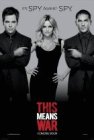 10. This Means War
Reason I watched it: more in hope than expectation.
If This Means War achieves one thing from its unfortunate existence, it does manage to prove conclusively that two wrongs don’t make a right. You cannot take a sub-standard rom-com and bolt it uncomfortably to a sub-standard action movie and hope to have anything other than one giant disappointment. I would like to say I expect more of Chris Pine, but that’s pretty much based on being Captain Kirk; I absolutely feel I’m entitled to expect more of Tom Hardy at this point in his career, but they should both have known better with McG’s name attached. The saddest thing is either that Chelsea Handler is the best thing in this, or that she’s the best thing despite acting like she’s reading all of her lines off of Reese Witherspoon’s forehead.
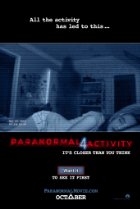 9. Paranormal Activity 4
Reason I watched it: I have a Cineworld card and I’ve seen the first three. I know that’s more of an excuse than a reason…
The juggernaut finally runs out of steam. After a film making effectively creepy use of its single camera set-ups, then somehow repeating the trick in a sequel with multiple cameras, then growing slightly tired by the time that the third entry rolled around with only a moving camera to add to the box of tricks, the best that this unwanted fourquel can offer is some infra-red malarkey using an Xbox. Tired, scareless and witless, it’s also hamstrung by the continuing need to impose a mythology, and also the need to return somewhat to the present after travelling back in time over the course of 2 and 3. This is very much a tween entry in the film, and taking an age to get to a minimal payoff will only work so many times; which is why, of course, we’re getting Paranormal Activity 5 next year. Will someone please drag me off backwards before it gets here?
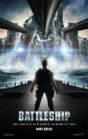 8. Battleship
Reason I watched it: It had Liam Neeson in. Nowhere near enough, as it turns out.
It’s all very loud and full of hardware, but Battleship takes itself far too seriously for the most part with only odd flashes of the joy that flood through the best blockbusters. The set pieces are underwhelming, the best members of the cast are sidelined for long stretches and the alien ships are either covered in water or shown in EXTREME CLOSE-UP. It successfully captures the feeling of watching two other people playing the board game without remembering how dull that is if you’re not participating. Also, those expecting logic or motivation should check those expectations at the door. The occasional moment of wit or invention is blown apart by long stretches of dullness or idiocy. DID I MENTION IT’S VERY LOUD?

Reason I watched it: It was the first film I saw this year, and just wanted to have an opinion on Meryl Streep for the Oscars. My opinion? She didn’t deserve to win.
Meryl Streep is eerily hypnotic when in full flow, but it’s just one of the film’s many failings that it spends as much time with her doddering around under the effects of dementia as it does powering through cabinet meetings and raging at the weak men populating the House Of Commons. Some spectacularly misjudged casting (Anthony Head as Geoffrey Howe anyone? Thought not) and poor direction don’t help matters, and the failure to either revere or condemn its central figure leave it sitting on a dull and uninteresting fence that might teach you less than you already know.
 6. Tulpa
Reason I watched it: It was part of the day I spent at FrightFest this summer. Thrillingly/ excruciatingly, members of the cast and crew were in attendance while the audience laughed themselves silly.
Well-meaning might be the best thing I can say about Tulpa, which is odd for a film looking to reinvigorate those giallo horror traditions of Italy. Unfortunately, after a reasonably creepy and sadistic opening, it then calls upon all of the worst traditions of the genre, including having all of the cast speak in English, even if it’s clearly not their first language. While this isn’t uncommon for a giallo, the relatively high production values (at least comparably) throw the other failings into much sharper focus, and the unfortunate comedy highpoint of this comes in the form of Michela Cescon’s Joanna, poorly acted and even more poorly overdubbed, so that she appears to be reacting to grave news as if she’s just seen a cute kitten video on YouTube. It’s about the worst thing I’ve seen this year in reality, but it’s heart was in the right place and it didn’t really know it was that bad, so I’ve slightly taken pity on it.
 5. Electrick Children
Reason I watched it: It was distributed by Picturehouse’s distribution arm, who’d distributed Cave Of Forgotten Dreams. (They also distributed Miranda July’s The Future, which I loathed so much in 2011. Hey ho.)
An insufferable road movie that goes precisely nowhere, Electrick Children assembles an eclectic cast from the likes of Rory Culkin to Billy Zane and promptly gives them nothing interesting to do. The idea sounds intriguing on paper (girl becomes pregnant listening to a tape, then goes searching for the “father”) but the execution is shocking, meandering through contrivances and searching for a rebellious streak that, when found, would make John Major look like an ultra-radical. Devoid of any interesting characters or memorable dialogue and despairingly predictable, Electrick Children lacks spark and energy and fails to deliver on pretty much any level.
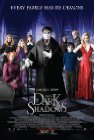 4. Dark Shadows
Reason I watched it: Because I desperately want Tim Burton to be making good live action movies. This was just desperate…
Not only the worst Burton-Depp collaboration of the eight they’ve made, but a strong contender for Tim Burton’s worst film yet, which from a man who made the Planet Of The Apes remake is especially dispiriting. The tone veers wildly from high camp to sub-gothic horror and spectacularly fails to nail either with any level of success. The characters are to a person both contemptuous and uninteresting, and it often feels as if Burton’s striving for in-jokes he’s not prepared to let anyone else in on. The Seventies setting is hackneyed and wasted, scenes with the likes of Christopher Lee add nothing while jarring terribly and the charisma vacuum engulfing the characters kills interest stone dead by about half way through; not even a convoluted final reel that throws in unconvincing plot developments can resurrect it from the grave.
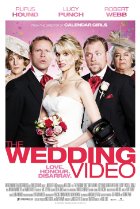 3. The Wedding Video
Reason I watched it: I’d actually gone to the cinema to see a double bill of The Bourne Legacy and The Expendables 2, but having been delayed en route I missed Bourne and had nothing better to do for two hours. Turns out sitting in the car would have been preferable… (Once again, the curse of the Cineworld card.)
Why do makers of supposed romantic comedies believe that the best way to show a couple getting together is to show them arguing and bitching in a totally unfunny manner? I still have nightmares about the Vince Vaughn / Jennifer Aniston “comedy” The Break-Up, and The Wedding Video plumbs similarly excruciating depths. I feel genuinely sorry for Lucy Punch, who carries on manfully (womanfully?) while the rest of the film disintegrates around her. It’s desperately lacking in laughs for a comedy – I counted one, and that’s generous – and the acting of the male stars leaves a lot to be desired, especially Rufus Hound who has an air of really bad sixth form revue about him. Also, the stupidity of the ending beggars belief, even considering what’s gone before.
 2. House At The End Of The Street

Reason I watched it: It had Jennifer Lawrence in it, and at the time it had a good rating on Rotten Tomatoes. I’d been so obsessed with the Cambridge Film Festival I’d missed that this didn’t screen for critics, so that those rating were probably from the film critic for Kangaroo Weekly in Tasmania and Armond White. (Ask your mum and dad if you’re not sure who Armond White is. They’ll help you Google him.)
The acronym used in the promotional material for this film was HATES, which not only doesn’t work as an acronym but is also an unfortunate prediction for my reaction to the shameless rehash horror. Jennifer Lawrence is a fantastic actress, as she’s proven time and time again, but here you can see the desperation in her eyes, not driven by a psycho killer but instead the realisation of what she’s let herself in for, and by the mid-point she’s clearly dialling her performance in. There’s a total lack of scares, characters commit the worst kinds of horror movie stupidity to move the plot forward and it’s so poorly shot that any remaining interest goes out the window. Elizabeth Shue and Gil Bellows do enough supporting grunt work to just about keep this from the ignominy of being my worst film of the year, but it’s a close run thing.
 1. Seven Psychopaths
Reason I watched it: Two manky hookers and a racist dwarf.
Yes, Martin “In Bruges” McDonagh, who gave us one of the comedy classics of the Noughties, has managed to produce something so far at the opposite end of the spectrum they may have to get two spectrums and staple them together to allow for the drop off in quality. Where In Bruges sparkled with crisp dialogue, bristled with emotion and even managed to squeeze out some pathos, Seven Psychopaths feels lazy, but actually then attempts to justify that lack of effort through a self-reflexive journey through the mind of a movie-maker. What results is a film which feels nothing more than an active and agressive insult to the intelligence of the viewer, as every single plot development becomes predictable and trite and the whole enterprise slowly and excruciatingly disappears up its own backside. I can only hope this is a brief aberration in a fine career rather than a sign of what’s to come, but Seven Psychopaths – it genuinely pains me to say – was my worst film of 2012.
Previous years:
Review of 2012: The Top 30 Scenes Of 2012
You might wonder why I watch as many films as I do; yesterday I achieved the personal milestone of getting to 200 films seen for the first time in a cinema in a calendar year. While some are re-releases, the vast majority are new films, but obviously they can’t all be great. Sometimes it’s just a single performance that make them worth watching, or it may be that the film isn’t quite the sum of its intricately composed parts, so for the second time I’m honouring the moments in films which stood out most for me. Consequently this is a somewhat different list to the top 40 films of the year which will appear (hopefully) tomorrow.
Last year when I did this I had real trouble tracking down scenes from a lot of the films. This year seems to be slightly easier, and I’ve got either the clip I wanted or another decent clip from the same film. I’ve excluded re-releases (otherwise this list would be just full of old clips, from Lawrence Of Arabia to Gremlins, and while that would entertain both of us it’s not really the point), and I’ve also stuck to a one clip per film rule; I will talk through some other highlights in the descriptions though.
One final, very important disclaimer: while this is normally somewhere between a PG and a 12A blog, a few of the scenes contain swearing, violence, gory moments or all of the above. If you’re of a delicate disposition, clips 27, 25, 20, 17, 16, 8 and 5 may not be for you. I hope you enjoy the rest.
30. Argo
What made Argo so effective was the balance between comedy and drama, with the tension ratcheted up expertly in the last third. Before that, Ben Affleck moved quietly and efficiently through his own film, playing as both comedic and dramatic straight man to a range of excellent performances around him. Here we see the key to getting that balance just right, as Alan Arkin lays out just how ludicrous Baffleck’s plan is.
29. Jack Reacher
A very late addition to the list, and the crying shame is there’s not more of him in it, because every time Werner Herzog appears in the film, he walks off with it, even despite the unnecessary milky eye he’s been given. This is his first appearance; as the film’s only out this week, no English clip yet of this that I could find, so behold the strange sight of Herzog dubbing over himself in German.
28. The Artist
It’s not a thorough and faithful dissection of what made black and white films as good as their more modern counterparts, but what it does do is successfully evoke the best elements of the films of that era, and understands what made them so compelling. It’s not afraid to have a little fun with itself either, so here’s the nightmare scene when Jean Dujardin’s George Valentin discovers there might be more to the world around him than meets the eye. Er, I mean ear.
27. Headhunters
The likes of Let The Right One In and the Millennium trilogy have put Scandanavian film making back on the map in the past few years, so it was no surprise that this adaptation of the Jo Nesbo thriller had no trouble finding an audience. Dark laughs and tense action combined well, no more so than in this scene where we first see what lengths Roger will go to in the name of self preservation.
26. The Raid
The Raid is a great film, but for me had two slight flaws: it’s so stripped down that there’s not enough left to engage with in any of the characters, and by the final stretch the fights have become a little too drawn out and repetitive. You can still enjoy them in isolation, as this hallway set fight easily proves.
25. Killer Joe
I have to confess that watching this next scene in isolation is much tougher than watching it in the context of the movie. Director William Friedkin has described it as a twisted fairy tale, with the young princess looking for her Prince Charming, without in this case realising he’s a ruthless, amoral killer. The most talked about scene in the film, this is where Joe gets busy with some fried chicken. I’m not sure The Colonel will be grateful for the product placement. (This is probably the toughest scene to watch on the list; don’t say I didn’t warn you.)
24. Marina Abramovic: The Artist Is Present
2012 has been a superb year for documentaries, and it’s a shame that they still seem to suffer from distribution difficulties and attracting audiences. When they’re as good as this one, it’s even more painful. The documentary details the performance artist’s efforts to be the centrepiece of a retrospective of her own work, and some of those who sat opposite her were moved to tears; this clip gives a flavour of that experience. For me the pivotal moment in the film was when Marina’s former partner and collaborator Ulay takes the opposite chair; the keen eyed will also notice James Franco popping up late on in the film.
23. Sound Of My Voice
Sound Of My Voice managed to make it into about two cinemas in London in the middle of the Olympics, so the majority of people missed out on the second Brit Marling film in around six months to feature a central performance from her coupled to some sci-fi high concepts. For my money, this one worked a lot better than Another Earth, much of which was down to the performances. In this clip, director Zal Batmanglij dissects the key scene from the middle of the movie, where Marling’s Maggie is starting to exert her will on the members of the cult that have sprung up around her.
22. Shadow Dancer
I still think Andrea Riseborough is one of the most undervalued actresses in this country, and Clive Owen would have a similar claim to make about his own acting. Shadow Dancer is a masterclass from the pair of them, helping to keep the viewer guessing to the eventual outcome right to the end. Here Owen’s handler is desperately trying to convince Riseborough to pull out before the heat gets too much for both of them.
21. Dredd
In the battle of this year’s tower block epics, Dredd just shaded it, with better characterisations, some solid action sequences and an 18 certificate that ultimately didn’t do the chance of a sequel any favours. Hopefully this will find new life on home formats as it’s leagues ahead of the Stallone attempt in quality.
20. Looper
Rian Johnson finally lived up to the potential he’d shown in Brick and The Brothers Bloom with this ideas-packed time travel crime drama / love story / tragedy / oh now it isn’t because of all the time travel / lots of other things probably. There’s an internal logic at play which just about hangs together, even if this isn’t how you think time travel works, but for all we know travelling in time causes you to speak Portuguese until flowers grow out of your head, so the logic works for me. Here that logic is put to use in what could be the most brutal scene of the whole film.
19. Berberian Sound Studio
So you make a horror movie about horror movies, and within that movie you have a horror movie being made, but the horror comes from the insanity of making the horror movie, and you never directly see any of the movie being made. So Berberian Sound Studio treads that famous old fine line between genius and insanity, but we do get one look at the film, in these fantastic opening credits, which feel so authentic you can practically see the blood run.
18. Madagascar 3: Europe’s Most Wanted
Yes, 73% of people who saw this still wake up in the middle of the night singing “DA-DA-DADADADADA-DA-DA-CIRCUS! DA-DA-DADADADADA-DA-DA-AFRO!” but the two moments that made me laugh the most – in among a considerable amount of moments that made me laugh – both involved King Julien’s sidekick Mort. One’s clever, one’s pretty stupid, both appealed to me.
17. Skyfall
Given the intense media and fan scrutiny around Skyfall, you could feasibly imagine going into Skyfall and not getting any surprises. I’d read enough about the film that nothing that happened in the last hour was a huge surprise, but maybe that made this scene even more powerful for being so unexpected. Just when you thought Javier Bardem couldn’t get any more creepy…
16. Excision
Saw this at a Fright Night all-nighter, and it served to make everything else a little climactic, as it turned out to be the best horror movie of the year. It’s screwed up in the head from the start, but in the way that horror films tend to be funny-ha-ha, with a little funny-peculiar thrown in. This is the first point in the movie when it crosses the line to being genuinely disturbing in the real world rather than in Pauline’s dreams. I’ll warn you before you hit play, it’s basically the dissection of a dead bird, so if that’s going to freak you out, move right along. Also, in that case don’t ever rent this because the end of the film will proper give you nightmares.
15. Safety Not Guaranteed
At the opposite end of the spectrum is Safety Not Guaranteed, which has the cards funny, kooky and sweet, and is carrying pretty much a full house and a straight flush worth of them. That’s all embodied in this scene, where journalistic intern Darius first approaches maybe time-traveller Kenneth after her boss Jeff botched their first approach. There’s just something about the way that Aubrey Plaza puts the can back on the shelf without breaking eye contact that gets me every time.
14. The Dark Knight Rises
I actually saw this scene for the first time in 2011 as it was attached to IMAX showings of Mission :Impossible: Ghost Protocol: I’ve Forgotten Where The Colon Goes Again. (A similar scene from Star Trek Into Darkness Without Any Colons played in IMAXs in December this year, but won’t be troubling next year’s top 30. I’m hopeful something from that film will.) Aidan Gillen is great, but hadn’t yet reached recognition levels with me when I saw this; thankfully a good chunk of Game Of Thrones and Shadow Dancer has put that right. This scene’s also notable for being yet another Nolan reference to Bond films, in this case Licence To Kill; it’s almost like he wants to make one.
13. Moonrise Kingdom
If you were looking for a single scene that summed up the innocent heart and delightful soul of Moonrise Kingdom, you’d probably pick the “kids on the beach” scene. Instead I’ve gone for this scene with Bob Balaban which shows just how perfectly honed every possible element of the film is, from the scene framing to the script and the performances.
12. Holy Motors
Every long cinematic event needs an intermission. So here’s the one from Holy Motors, an accordion-based cover of R.L. Burnside’s Let My Baby Ride. Pure joy.
11. Silver Linings Playbook
I didn’t rate Silver Linings as a film in totality, but I did rate some of the performances, not least Jennifer Lawrence’s award worthy turn as the bolshy Tiffany. Her best scene is likely the one where she hands Robert De Niro and the rest of the cast their ass on a silver platter, acting everyone else off screen and expect to see that playing at awards ceremonies in a couple of months, but for now here’s something more subtle and subdued from earlier in the film.
10. The Cabin In The Woods
I could have gone with a whole stack of scenes here, from what is the funniest two hours Joss Whedon’s ever put on screen (and yes, I am including The Avengers in that). In the end, it was a toss up between a handful, but if you’ve not seen the film then most of my later choices will ruin the surprise, and you should still keep that for yourself. So I’ve gone with a woman attempting to French kiss a mounted head. Tasty.
9. Chronicle
Calling Chronicle found footage almost feels like a bit of an insult; it takes the video camera perspective, marries it to something equivalent to a superhero origin story, and then runs with it in a way that feels organic and not a little dangerous. The most uplifting scene in the film is this one, when the characters start to realise the full extent of their powers, but the scene where Andrew is fine tuning his gifts on a live spider is also pretty powerful.
8. Rust And Bone
If I had to pick one scene of the year that somehow didn’t lose its power despite being entirely predictable if kind individuals who write reviews and run movie websites had blown the gaff and given away the early twist, then this would be it. Actually, given that extraordinarily specific set of criteria, not sure what else would qualify there. Jacques Audiard packs a whole set of scenes with raw power, and pretty much anything with whales or fighting in it would also be worthy of attention.
7. Life Of Pi
Initially I was looking for the boat sinking scene, which is a masterpiece of effective editing and special effects, but most of the scenes available online actually occur once Pi and Richard Parker are alone together on the boat. So here’s the two of them getting to know each other a little better.
6. Shame
Whenever you listen to the actual music charts these days, they tempt, taunt and tease you with the possibility of what could be number one this week, even when it’s the star of the latest reality singing show and no-one else has released anything all year. If I were to do the same, then I’d be saying that my last chart of the year update in November had this at the top, and now the only two 10/10 films I’ve seen since can dethrone it. So will Life Of Pi, The Master or Shame be the top film of the year tomorrow? Shame’s been top ever since January, and this (despite Carey Mulligan’s best efforts) was the standout scene.
5. 21 Jump Street
The out-and-out comedy that I laughed longest and hardest at all year was also one of the most surprising. Based on the personnel involved, this should have had no right to be as funny as it was, and it’s packed full of laughs from beginning to end. I’ve put aside Korean Jesus and Robin Hood on the freeway and gone for this, where Channing Tatum proves his gifts at comedy (his literal crashing of orchestra practice was another highlight).
4. The Avengers
Hulk smash. That is all.
3. The Master
Paul Thomas Anderson, how I love thee. I actually enjoyed this more than There Will Be Blood, and of all the character interactions it was the first interrogation scene between Lancaster and Freddie that really caught the attention. Couldn’t find the whole scene, but there’s a small chunk of it at the end of this sequence.
2. The Hobbit: An Unexpected Journey
It was the scene we were all waiting for (for seemingly longer than it takes hairy midgets to throw gold into a volcano), but it was worth the wait. It was the first scene filmed, apparently, which makes it all the more impressive that Andy Serkis and Martin Freeman found their stride so quickly, and the Gollum / Bilbo scene takes its place as an instant classic.
1. The Muppets
So to the number 1, and it’s a scene from a film that America selfishly kept to themselves in 2011, only letting us see it in February this year. The biggest joke might be lost on those who aren’t fans of The Big Bang Theory, but since Mrs Evangelist seems to think I’m an even bigger nerd than any of the characters in that series, it’s not surprise that (a) we’re both BBT fans, and (b) we both squealed in delight when we saw this in the cinema. This is the music video rather than the direct scene, but it’s pretty much the same and the Oscar that this song picked up was thoroughly deserved. I also had tears in my eyes during “Pictures In My Head” but I am just a sentimental old softie. Sniff.
Review Of 2012: The 10 Most Resolutely Meh Films Of 2012
What you tend to find at the end of the year is an avalanche of lists celebrating the best films of the year. No-one ever sets out to celebrate those films for which the middle of the road is the best they can hope for, and for good reason; awards are there for the pinnacle of achievement, not the also rans. However, democracy is a bad idea as, in general, people are stupid (not you, dear reader, of course; you’re actually giving up your time to read what I’ve written, so you are a genius), and not all the right movies get the credit they deserve. There are some that seem to have garnered high praise, where moderate acknowledgement or general apathy would have been more appropriate. So here’s the list of the ten that have, in my humble obviously correct opinion, received an entirely incorrect amount of credit this year.
For each film I’ve shown the score from the aggregator site Rotten Tomatoes, showing the level of general critical consensus. A reminder that a score of 60% or above is Fresh, below is Rotten.
 Margin Call – Tomatometer 88%
What the critics said: “A shrewd and confident drama.” – Peter Bradshaw, The Guardian
“Chock full of terrific performances…” – Ian Freer, Empire
“Easily the best Wall Street movie ever made…” – David Denby, New Yorker
Why they’re wrong: The biggest mistake in Margin Call is the oversimplification of the financial crisis. What this amounts to is then a series of men in suits looking at screens and looking concerned, then acting as if the implications of that were obvious. While many of the two or three handers that follow are dramatically engaging, it’s about as satisfying biting into a Scotch egg to discover a hole in the middle. The drama simply doesn’t work with nothing to bind the meat around.
 Haywire – Tomatometer 80%
What the critics said: “A rollicking good ride” – David Jenkins, Time Out
“A fresh, muscular payback movie” – Simon Crook, Empire
“Watching Carano kick, spin, flip, choke, crack and crush the fiercest of foes… is thoroughly entertaining, highly amusing and frankly somewhat awe-inspiring” – Betsy Sharkey, LA Times
Why they’re wrong: Another instance of great moments with no foundation, but this time instead of a central concept it’s actual drama that we’re missing. Gina Carano is attractive, feisty, just about a good enough actress so as to not be distracting and kicks huge amounts of ass, but it’s less interesting than a walk down a one-way street, so utterly bereft is the narrative of any sense of drama, plot or anything to engage more than one part of the brain.
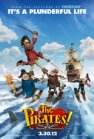 The Pirates! In An Adventure With Scientists! – Tomatometer 86%
What the critics said: “Sure footed, witty and zany fun” – Claudia Puig, USA Today
“A clever piece of business that is a complete pleasure to experience.” – Kenneth Turan, LA Times
“Another Aardman triumph.” – Olly Richards, Empire
Why they’re wrong: Aardman have a reputation for delivering fantastic animation with heart, soul and plenty of laughs, and while all are present here they’re served in much smaller portions than usual, replacing belly laughs and wild inspiration with moderate chuckles and the odd flash of wit. It’s a shame, as it feels like there was the potential for a classic within the material, it just wasn’t exploited to its full potential.
 Brave – Tomatometer 78%
What the critics said: “A rousing, gorgeously animated good time” – Pete Travers, Rolling Stone
“…packs a level of poignancy on par with such beloved male-bonding classics as Finding Nemo” – Peter Debruge, Variety
“A hugely entertaining, properly magical adventure” – Matthew Turner, View London
Why they’re wrong: Pixar have had a fantastic run, and you can’t fault them for wanting to try something different; it does feel slightly misanthropic to criticise it when that doesn’t come off, but this push into a true fairy tale ironically loses some of the magic that we associate with Pixar. Again, a lack of real laughs doesn’t help, but the setting and the lack of sympathetic characters at the start also make it difficult to truly engage the magic.
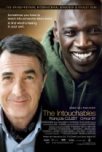 The Intouchables – Tomatometer 76%
What the critics said: “This is not a film that will change the whole world, but one that just might charm it.” – Robbie Collin, Daily Telegraph
“The Intouchables is simply irresistible” – Ed Gibbs, The Sun Herald
“The cliches are so skillfully navigated only the heartless will fail to be charmed” – Matt Glasby, Flicks.co.nz
Why they’re wrong: A case of almost too much of a good thing, The Intouchables has all the right ingredients for a light souffle of a movie, but proceeds to bake them together into a cynical, leaden frittata instead. Pretty much every cliché you can imagine turns up, to the point where the last act is just a soul-destroying progression of predictability and cheese. The last kicker comes when the real life counterparts are revealed, and they look and act nothing like their filmic equivalents; it’s not inconceivable to think that their story was nothing like this, either.
 Killing Them Softly – Tomatometer 76%
What the critics said: “A caustic but thoroughly impressive kick in the teeth” – Tim Robey, Daily Telegraph
“A juicy, bloody, grimy and profane crime drama that amply satisfies as a deep-dish genre piece” – Todd McCarthy, Hollywood Reporter
“It is outstandingly watchable, superbly and casually pessimistic” – Peter Bradshaw, Guardian
Why they’re wrong: There’s a wonderfully grimy crime thriller at the heart of Killing Them Softly, but oddly for a man whose previous film lasted about four days it’s far too slight, feeling undercooked at just over an hour and a half. Additionally, there’s a political subtext that’s so heavy-handed you can practically see the hand prints where it’s been slapped around by director Andrew Dominik. Despite a few great performances, Killing Them Softly never gets out of third gear.
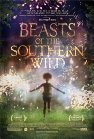 Beasts Of The Southern Wild – Tomatometer 85%
What the critics said: “Beautiful, funny, timely and tender, this is the American arthouse movie of the year.” – Damon Wise, Empire
“This film is a remarkable creation” – Roger Ebert, Chicago Sun-Times
“Treat yourself to the experience of this perfect storm of a film” – Richard Corliss, TIME Magazine
Why they’re wrong: Sure, there’s a lot going on here, and much of it is moving, even close to magical, but there’s almost too many ideas, and too many rough edges that don’t fit together. It almost feels that the removal of the most overtly magical elements and some quick editing might have made something more efficient out of this, but in its current form its ramshackle charm kept me only mildly engaged, rather than truly winning me over.
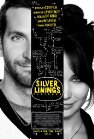 Silver Linings Playbook – Tomatometer 91%
What the critics said: “Dramatic, emotional, even heartbreaking, as well as wickedly funny… a complete success from a singular talent.” – Kenneth Turan, LA Times
“…the exuberant new movie from David O. Russell, does almost everything right.” – Manohla Dargis, New York Times
“…the scenes between Pat and Tiffany are sculpted with an almost David Mamet-like sharpness.” – Justin Chang, Variety
Why they’re wrong: The seemingly random portrayals of mental illness (let’s pick a description and assign it to a character, whether or not that’s what the character’s actually suffering from) don’t serve the characters or the story particularly well, and that means that the final moral of “cheer up and do a bit of dancing and everything will be fine” is borderline insulting. All the more unfortunate that the cracking performances, from the powerhouse of Jennifer Lawrence to the restraint of Chris Tucker, get lost in the misguided plotting.
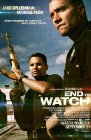
End Of Watch – Tomatometer 85%
 What the critics said: “A visceral story of beat cops that is rare in its sensitivity, rash in its violence and raw in its humor.” – Betsy Sharkey, LA Times
“…one of the best police movies in recent years…” – Roger Ebert, Chicago Sun-Times
“End of Watch cuts past the cliches of standard police procedurals” – Peter Debruge, Variety
Why they’re wrong: The cops are fine, the action sequences are often great, and even Anna Kendrick does fantastic work as the new wife of Jake Gyllenhall’s grounded cop. But the movie makes far too much effort setting up a self-filmed visual conceit that recalls found footage, then abandons it when the going gets tricky, and the bad guys feel like they’ve been written by troubled five year olds with a dictionary of bad guy cliches that they’re having trouble reading. It then becomes impossible to take any of it remotely seriously, and the ending is left fatuous when it should be deeply emotional.
And the one where people were wrong the other way:
 John Carter – Tomatometer 51%
What the critics said: “I felt as if someone had dragged me into the kitchen of my local Greggs, and was baking my head into the centre of a colossal cube of white bread.” – Peter Bradshaw, Guardian
“It feels less like a revival of a classic saga than a rip-off twice removed.” – Robbie Collin, Daily Telegraph
“Considering it stems from a story that helped define a genre limited only by imagination, John Carter is a curiously dull film.” – Jordan Farley, SFX Magazine
Why they’re wrong: Admittedly it does take a little while to get going and it’s a little po-faced initially, but once it does John Carter is an old fashioned romp that’s a lot of fun. It’s actually the film you feel George Lucas was trying to make with large parts of Attack Of The Clones, which maybe is why everyone took to it so badly, because who wants to be reminded of that? And spare a thought for Taylor Kitsch, who got this and the genuinely awful Battleship. He deserves more luck in 2013, even if a return trip to Mars seems somewhat unlikely.
Further reading:
Review Of The Year 2010: 5 Movies Which I Didn’t Like That Much, But Most People Seemingly Did
Review Of 2012: The Half Dozen Special – 12 Best Trailers Of 2012
2012 is nearly over, and so is the second full year on the blog. I generally think it’s been a pretty good year for film, but actually not a great year for trailers. It’s also not been a great year for predictions; in the corresponding post last year I correctly predicted that the Mayans had incorrectly predicted the end of the world, but then incorrectly predicted myself that we would get half of the Hobbit film this year. (If only.)
So looking back over the year, there’s not been massive amounts of originality when it comes to hacking two minutes and thirty seconds (give or take) out of your film and splicing them together, but there’s still been a decent enough batch to put together a list of my favourites. I’ve not seen all of the films, and they’re not all trailers of great movies, but that’s not the point, it’s all about what’s contained within these 150 or so seconds. These are the dozen promos that most floated my boat in 2012.
Best Trailer For A Clearly Awful Movie – Elephant White
Yes, this is the best bad trailer that we have of 2012, to paraphrase Argo. Clearly no sane person’s ever going to watch the film, unless it’s on a Friday night on DVD with a liver-threatening amount of cheap lager, but if you can’t enjoy Djimon Hounsou, big guns, Kevin Bacon with one of the most ludicrous accents in the history of anything ever, more big guns and a caption indicating that the director also made something quite well regarded (yes, really), and this is about my biggest guilty pleasure of the year. (That, and knowing how to spell Djimon Hounsou without looking it up.)
Best Trailer For A Not Clearly Awful Movie* – Seven Psychopaths
* But it is an awful movie. Even talking too much about it now will just serve to make me angry again, not least because I actively recommended this film to friends on the basis of the trailer. The total arrogance and intelligence-insulting smugness are thankfully missing from the trailer, but be warned: the experience of watching the trailer is nothing like that of the film, and where Sam Rockwell’s last line might raise a smile here, by the time I saw it in the film I wanted to run up to the screen and punch him in the face.
Best Two Minute Version Of The Whole Movie – Moonrise Kingdom
It’s basically many of the best bits of the entire film, including much of the music and a lot of the jokes; if you want to save yourself the time of watching the whole film, then you deserve a good talking to, as it’s properly brilliant, but if you want to give someone who’s not seen it an idea of what they’re in for, then go right ahead.
Best Black And White Trailer – The Turin Horse
Also best trailer for film I haven’t seen yet. (Yes, even better than Elephant White.)
Best Trailer That Sets Up The Wrong Expectation Of The Film – Killer Joe
Don’t get me wrong, any trailer that hooks in an audience and then serves up something they’ll enjoy is absolutely fine in my book, but the snappy editing and up-tempo music in this trailer suggest something of a fast paced thriller, rather than the deliberately paced chiller you’ll actually get. But no harm, no foul as far as I’m concerned.
Best Flavour Of The Movie Trailer – Berberian Sound Studio
This deconstructed horror, proving as effective at throwing up creepy atmosphere and screwed-up characters as any standard horror despite being seen through the eyes of the foley artist and the sound editor, might be a hard sell, but this brief snatch of the film absolutely nails what you’ll get from the film itself. I’d be prepared to stake a Curly Wurly on no-one loving this trailer and hating the film, or indeed the converse. (Disclaimer: 1,000 word review required to claim Curly Wurly. Allow 28 days for postage.)
Best Explanation Of High Concept Trailer – Looper
So there’s this time travel thing, right, and it’s set in the future, but actually two bits of the future, and China’s more of a world power, and we have time travel but only criminals use it, and so they have to find ways of protecting their interests, and… what do you mean, I’ve had two and a half minutes already? This Looper trailer does a cracking job of setting up the initial conceit, giving a flavour of what’s to come but not spoiling the twists and turns to come later in the film.
Best Short Form Trailer – The Master
The trailers of the Coen Brothers’ last couple of films (A Serious Man and True Grit) have been fine examples of an underlying, almost hypnotic, rhythm used to create mood and effect, and this short initial trailer for The Master uses the same bag of tricks to generate a mindworm that will burrow its way into your brain in just over 60 seconds.
Best Editing Trailer – Sightseers
How much of your film is it possible to cram into a standard length trailer? Thanks to whoever edited this Sightseers trailer, we have at least some sort of answer. I would love to know if the six people that walked out of the screening I was at saw this trailer beforehand, and if somehow their expectations of the film were wrongly set. I would also like to award this best trailer soundtrack of the year; I’d like to, but I’m torn between this and Moonrise Kingdom. Hashtag indecisive.
Best Trailer For Setting Unattainably High Expectations Of The Film – Skyfall
It was unsurprising that my most anticipated film of the year, given my participation in BlogalongaBond (for which I wrote enough words to fill a university thesis on Bond and his ongoing impact) that this trailer, emphasising the wall to wall quality that ran through everything from the acting to the cinematography and the production values, set my expectations sky high. (Ahem.) Ultimately Bond was great, but could never live up to the expectations that this trailer set. Still, it’s the biggest film of all time in the UK and the biggest Bond film of all time worldwide, even adjusting for inflation, so it seems to have kept you lot happy.
Best Trailer For A Film Not Out Until Next Year – Django Unchained
I first saw a Quentin Tarantino film at my university’s film club, Resevoir Dogs being shown on a big screen in a lecture theatre where I normally learned about linear algebra and complex analysis. Somewhere in there, a better writer than me could find a link between pure maths and the pure pleasures of a Tarantino hit, but hey, I’m a mathematician; I got a degree without writing a single essay. It’s a miracle you’re still reading this, frankly. Anyway, look over here! Tarantino!
Best Trailer Of 2012 – The Imposter
This one has it all: sharply edited, fantastic use of intertitles with quotes on praising the film (the five star reviews coming in a start at a time are a particular highlight), it makes great use of the music, it gets the obligatory “From the Academy Award person thingy of…” quote in and it also doesn’t give away too much about the film’s structure or big twists, despite having practically the last shot of the film contained within. For these and many other reasons, this UK trailer for Bart Layton’s The Imposter is my top trailer of 2012.
Previous years:
Review of 2011: The (Half) Dozen Best Trailers of 2011
Review Of The Year 2010: The Half Dozen Best Trailers of 2010
Is joining The 200 Club completely Pointless?
As well as watching films, I do manage to squeeze in a few TV programmes as well. Mrs Evangelist and I predominantly watch comedies or cookery programmes together, and if watching on my own it tends to be genre programming that attracts me, such as The Walking Dead or Game Of Thrones. But I have one particular addiction that I think drives Mrs E crazy, which thanks to the BBC iPlayer I tend to watch most evenings when doing the watching up or the housework, and that addiction is Pointless.
I appreciate that you may not be living in the UK if you’re reading this, or even if you do you may have better things to do at 5:15 p.m. on a weekday. (As if.) So if you’re not familiar with Pointless, let me briefly explain: questions on various subjects are asked of 100 members of the general public, each given 100 seconds to give as many answers as they can on the nominated topic. Those on the quiz then attempt to give answers given by as few of the public as possible, scoring a point for each person that gave the answer. The goal is to give “pointless” answers that no-one gave, but an incorrect answer scores 100 points. As teams are composed of two people, who both answer in each of the first two rounds, two incorrect answers scores 200 points. So as not to make those doing so feel too bad, they become members of an imaginary 200 Club for having done so; at least, I assume it’s imaginary.
Bond Legacy: Skyfall

Warning: I’ll be getting into a very thorough discussion of Skyfall here, on the presumption that you’ve already seen it. If you haven’t, take in my non-spoilery review of Skyfall first, then go and watch the damn thing, then come back.
Is it really two years since this all started? Two years since BlogalongaBond became a thing, and without which I wouldn’t have sat and watched a Bond film a month for two years Bond films at increasingly random and desperate intervals. (It also wouldn’t have spawned goggle-eyed love child BlogalongaMuppets, but that’s another story, one to be told halfway up the stairs.) I set out to prove that Bond films have had an unerring effect on each other and also on cinema in general, that fifty years of history have developed a template from which Bond films are now almost able to be produced like vodka martini flavoured jelly from an Aston Martin DB5 shaped mould. So for a series of articles based on what the future effect of a series of films has been, how the chuntering thunderballs do I write about a film that’s only been out a week? In the words of our very own M, The Incredible Suit, “you didn’t think this through, did you?”
First, I’m going to distract you with a review of what’s gone before, and some Bond Legacy stats. I’ve been back over the past 22 Bond Legacy posts, and totted up that I found 91 legacies in total, all of which can either be felt in effect in subsequent Bonds or in cinema in general. I then worked out, giving the slight benefit of the doubt to two or three borderline cases, the number of that 91 which can be seen in Skyfall. Here’s what I found:
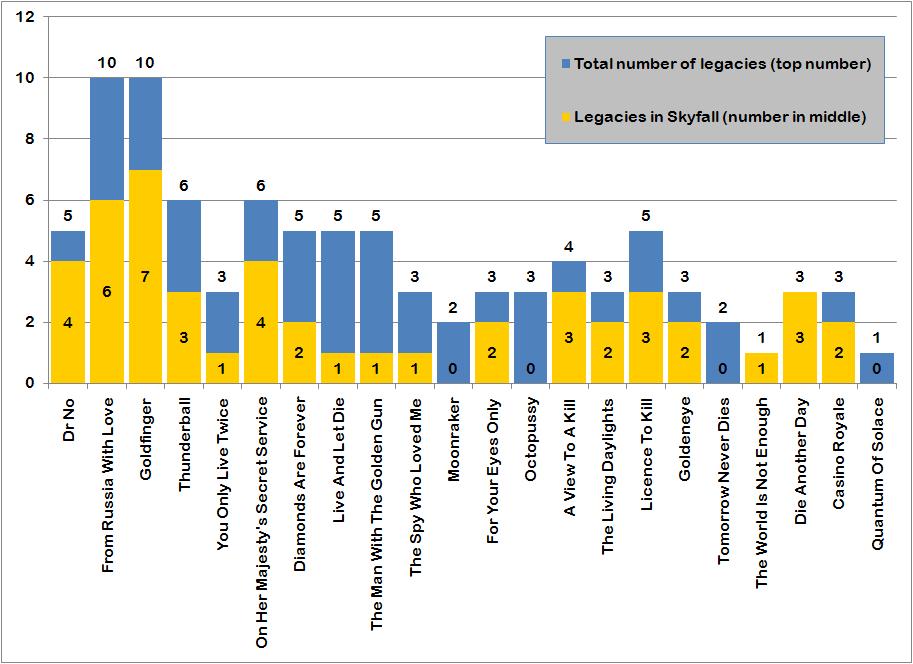
So out of 22 previous Bonds, eighteen have an element in them which was seen for the first time in a Bond film, but reoccurs in Skyfall. Out of the 91 total legacies, 48 can be seen in some way, shape or form in the film itself or the surrounding hype and marketing. That’s now one heck of a formula. If we’re trying to find the most influential Bond films, then clearly From Russia With Love and Goldfinger continue to set the pattern, sharing 13 legacies between them, although in terms of percentages, it’s the last two Brosnan films that have a 100% record, followed by Dr. No at 80%, and four Bond films (Moonraker, Octopussy, Tomorrow Never Dies and Quantum Of Solace) have no identifiable element unique originally to them which appears again here. Sadly, the wait for another double-taking pigeon goes on.
Of those 48, some are more influential than others, no doubt the increasing desperation of me in small part to keep the theme going all the way to the end. If you’re looking for a formula, though, then I’ve picked out the top third of that list for a slightly more detailed look.
1. Dr. No: Product placement. Lots and lots of really, really obvious product placement.

Yes, product placement has been in place ever since Dr No, but instead of a small British production company run by two ex-pat Yanks, we now have one of the biggest studios in the world protecting its profit margins by putting a brand on everything that isn’t nailed down, and a few things that are. But it has been, and always will be, a friend to Bond, and at least Daniel Craig hasn’t had to resort to making any dreadful commercials. Much.
2. Dr. No: The theme tune. Dum-ba-da-ba-dum-bum-duma-dum-ba-da-ba-dum-ba-da-da-BAAAAA-ba-ba-ba…
There are two regular Bond themes, one which makes an appearance in every film in some form – and be aware, Eric Serra, if you don’t put it in they’ll hire someone who will – and Thomas Newman takes the opportunity to sprinkle the theme liberally through the score. It won’t go down as one of the great Bond scores as it’s a little generic, but it feeds enough Bondy moments to soothe the senses rather than angering them.
3. From Russia With Love: First appearance of Q. Now pay attention, 007…
One of the biggest problems for twenty-first century Bond has been how to fill the void left by Desmond Llewellyn’s portrayal of the man who ensures Bond has manly guns and a good supply of exploding toothpaste. Ben Whishaw’s Q is a reinvention for the 21st century, happy to give Bond a gun and a radio and do all of the techy stuff himself, leaving Bond more the blunt instrument than ever. I don’t want a return to invisible cars, but it would be nice if the tech department could give Bond some more gadgets next time for, y’know, actual spying?
4. From Russia With Love: Bond soundtrack pattern. The case of the mysterious Wendy Crumbles.
I do think Adele was the right choice for a Bond theme (although I’d still like to hear what Muse could do with it; sadly my dream of the Manic Street Preachers performing one is probably now long gone). However, there is one big issue with that theme; many of the best soundtracks, from either John Barry, David Arnold or the occasional greats from others, take either the opening or closing title song and weave it through the score. But Paul Epworth’s orchestration for Adele’s song is so Bond-based in the first place, when the orchestral version of the title track kicks in as Bond enters Macau kicks in it feels as if the film is about to disappear up its own arse. Also, Adele’s lyrics are sometimes incomprehensible – I cannot now hear the track without thinking about the infamous Wendy Crumbles – and she also seems to be shoehorning in references to what Lolcats would think of Bond. Zat Skyfallz, indeed.

5. From Russia With Love: Bad guy with a hidden face. Hidden in plain sight, it seems.
Now here’s an interesting wrinkle on an old chestnut. Blofeld’s face was hidden out of sight for the first two and a half films he was in, building up to a big reveal. We see Javier Bardem’s gurning blond mug after just over an hour, but it’s not until he discusses the effects of his poisoning and removes half his face that we see the true nature of evil. One of the most satisfying and disturbing moments of the otherwise saggy middle of this Bond.
6. Goldfinger: Evil plans that defy rational explanation.
“So James, here’s my plan while I touch the inside of your thigh. I’m going to steal a hard drive which you’ll only fail to take back when one of your own team shoots you by mistake, which I’ll then use to moderately threaten the government of a former world power. I’ll then let you kill my rather dull henchman, allowing you to track him down via his gambling habit and then I’ll have a woman seduce you to bring you to my run down lair who I’ll later shoot for no reason. But it’s fine, because I know that even though you’ve failed your physical and mental tests at MI6 after being repeatedly shot, you’ll be good enough to capture me with perfectly timed helicopters, where you’ll take me back to your base so I can then escape again and kill my old boss in front of anyone watching dull government boards of enquiry on satellite news channels. If anyone tries to prevent my escape, probably you, then I’ll drop a Tube train on their head. This is all because I hate my old boss. I will then probably forget all about the other secret information I’ve stolen.”
“Really? Her flat is really easy to break into. I break in and sit in the dark all the time. Sometimes it’s hours before she comes home.”
“Bollocks.”
7. Goldfinger: The coolest car in the world. Unless you get excited by VW Beetles.
One of the biggest gripes of nerds who need to get out more – in other words, people just like me – is that we get a brand new Bond who acquires a brand new Aston Martin in Casino Royale, but it appears he still has the fully kitted out one, with machine guns and ejector seat, in a dodgy lock-up in London somewhere. The look he gives when Silva blows it up, though, is priceless, and it’s good to see the man still has priorities. However, if he doesn’t get Q to kit out the one he won in Casino Royale with all the same gadgets, I’d be astonished; I’m willing to bet the winnings of a high stakes poker game that’s not the last we’ve seen of the Aston.
8. On Her Majesty’s Secret Service: Bond’s complex relationship with women, especially closest to him. If this is a male fantasy, it’s not one I’ve had often.

Casino Royale was the first time that Bond didn’t end up with the girl. In this one, there are three main women; one who shoots him, and is so generally incompetent she has nothing better to do than to go halfway around the world to give Bond a wet shave before eventually taking a job as a glorified PA; one a a former sex slave who Bond immediately shags, then tosses off a casual witticism in an attempt to look cool around the lads when she’s shot in the head, and the third who’s become virtually a surrogate mother to him over the past three / seven films, he fails miserably to protect from becoming ever so slightly more dead. Good work, James.
9. Diamonds Are Forever: The increase in poor quality jokes. A secret agent walks into a bar…
When Bond hit the Seventies, it went from a spy adventure with occasional titting about in the bosses’ office and the lab to a full on gagfest with gags that left much to be desired. Poor old Roger Moore gets the stick, somewhat unfairly, for a lot of that, but Skyfall was too much of a compensation to the humourless and dry Quantum Of Solace on a couple of occasions; if there’s a version available on Blu-ray that doesn’t have any of the stupid scenes in the Underground, I’ll happily buy it.
10. Live And Let Die: The use of swearing to look proper hard. Language, Timothy!
Live And Let Die had the first “holy shit!” of the series, and Dami Judi kept up the PG swearing in Quantum before letting rip with the first ever F-bomb here. When driving home afterwards, Mrs Evangelist felt that an opportunity for the Denchmeister to let rip with a full, hard 18 rating torrent of f-, c-, m- and possibly even q- words was now sadly lost forever (her suggestion of “c***tacular almost caused me to drive off the road). Maybe Fiennes will be up for it.
11. For Your Eyes Only: The regeneration game. It’s all the same to me.
Despite a constant need to reinvent itself, up until the Craig Bonds the series did its best to maintain that this was always the same secret agent, who with the best will in the world would either now be into his mid-Seventies or going into carbon-freeze in between missions, so that Moore, Dalton and Brosnan all at various points mourned the loss of Tracy, even though technically none of them married her. Or did they? Skyfall takes this a step further, and goes out of its way to suggest that this is the same Bond we’ve always had, we just saw him get his first two kills six years ago, but somehow he’s magically earned fifty years’ worth of backstory. I look forward to John Logan’s next two films telling us the story of how Bond won World Wars 1 and 2 single-handedly.
12. A View To A Kill: The game’s the thing. Although I always preferred Sonic myself.
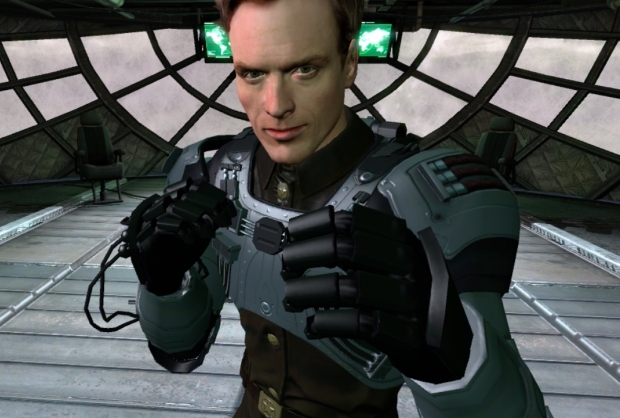
Yes, continuing a trend that started with A View To A Kill, there is game content available so that you can pretend to be the world’s greatest secret agent in the comfort of your own living room. The 007 Legends game has DLC (that’s downloadable content to anyone over 35) relating to Skyfall, which means you too can play as Patrice or Eve Moneypenny if you’ve got a PS3, each character having their own special gifts. (In Moneypenny’s case, it’s light typing and not being able to shoot straight. It does make the game really hard to finish in one sitting.)
13. The Living Daylights: Putting the (re-)boot in.
Despite all being one interconnected story, somehow the Bonds manage to reboot themselves every couple of films, with each new actor giving a different take on the same character, even though it’s regularly made explicit that this is the same character all the time. (Bond’s shrink must be on a massive retainer.) This is the third and most egregious Bond reboot of the last three films, with us now getting a new version practically every time, and this time we appear to have been rebooted right to the end of 1964. From shunning all of the trappings of the character and using a stripped down version, by the end of this film we now are totally in Bondage again; let’s try to stay there for the next one, and keep our hands off the reboot button, shall we?
14. Goldeneye: A relic of the Cold War.

Goldeneye was the first film where Bond had to justify his own existence; Skyfall takes that a step further and asks all of MI6 to state its place in the world. Dame Judes does this by rocking up at a hearing and, rather than making detailed statements about policy or effectiveness, just quoting some Alfred Tennyson. Classy.
15. Tomorrow Never Dies: No material from the novels.
Skyfall has to once again rely on an original plot, for most of the novels and short stories have now been adapted and there’s little to draw on. Significantly, one thing that Skyfall does do is delve deeper into Bond’s past, featuring the ancestral home and even the gravestone of his departed parents. Maybe future instalments will tap further into this peripheral history of Bond; for example, after his parents lost their lives, young Bond went to live with his aunt, Charmian Bond, in the village of Pett Bottom, and if that’s not an open goal waiting to be scored, I don’t know what is.
16. Die Another Day: The anniversary waltz.
After Die Another Day clumsily shoehorned in references to the rest of the series, including Q having Rosa Klebb’s shoe from From Russia With Love in his workshop, Skyfall imbues the golden film and diamond book anniversaries with some more subtle nods to the rest of the series and a few other tips of the hat, including Bond’s favourite whisky, a 1962 vintage. The going rate for a bottle of that make and era would set you back around £1,250 these days; if that’s how well being a spy pays, where do I sign up?
So, as you can see, the template is well in force; these are just a sampling of the most significant, but there are over 30 other cultural references from the Bond series that are in some way to be seen in or around Skyfall. Given that Bond films could now just recycle that for evermore, without ever having to invent anything new – and if the initial box office is anything to go by, they could do that very well – what will be the enduring legacies of Skyfall when we come to look back in a few years’ time? I thought I’d have a go at picking out four of the most likely things that crop up in Skyfall that we might see again someday.
1. China in your hand: I think we’ll see more trips to China
Bond’s been to Chinese territories before, including Macau and Hong Kong, and also to Chinese waters, but Skyfall marks the first time the series has been set in actual proper China. Following an increasing trend of films to have Chinese set sequences, and building off the back of the significant increase in box office that Quantum saw in the Chinese territories, it’s a big market which the Bond films will have to be increasingly creative if they’re going to continue to exploit. But one thing which Bond’s never done on screen is active military service in time of war; maybe if rumours of a two part story are true (even though Craig’s said they aren’t, but after Naomie Harris no-one’s going to believe anything any of them ever say again), then maybe Bond could infiltrate China as they look to take on other big world powers like the USA, Russia and Papua New Guinea? (All right, and Britain.)
2. Bond might be keeping the British end up in more ways than one
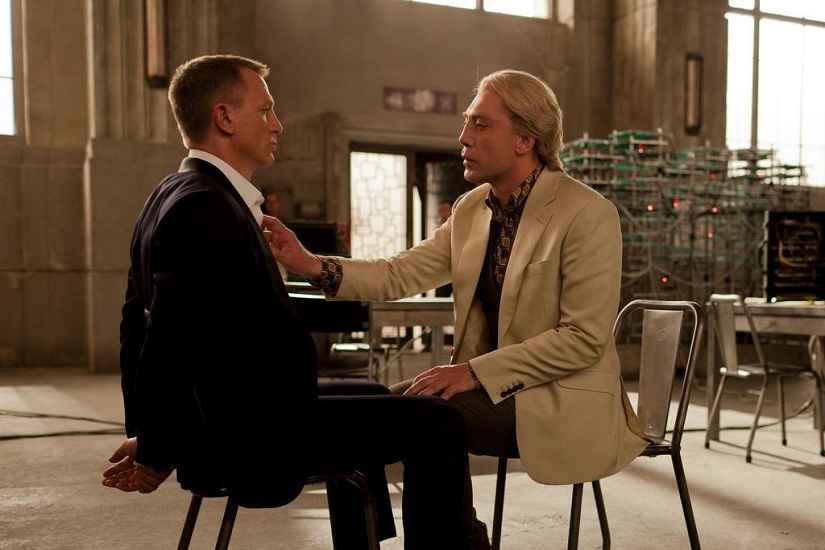
In the pivotal scene when Bond and Silva first meet, Silva makes some suggestive comments to Bond, only for Bond to dismiss the idea that it would be his first time. We’ve seen Bond take down any woman in his path, but the closest he’s come to bedding a minger is Grace Jones. What if Bond really had to suck it up for queen and country, and bed a woman with a face like a hippo’s arse? Or maybe Bond’s sexuality is actually a little more complex than we’ve all been led to believe, and actually he could bed both women and men on the path to world domination? The possibilities are potentially endless, and the template might have to be edged rather than pushed, but we live in more enlightened times and Bond’s bed hopping is one area ripe for further exploration now his psyche and his family have been laid barer.
3. Techno techno techno techno: Q Branch will keep the gadgets to themselves

The Bonds have moved further into the world of techno-terrorism, with Q Branch seemingly less keen to spend their cash on gadgets for dunderheaded spies and more keen to buy rooms full of servers and dodgy Sony Vaios. I give it about four Bond films before James loses it completely and tries to eradicate all of the world’s geeks to take us back to the dark ages, when men were men and women were, er, women. (Genuinely don’t know where I was going with that.) But cybercrime looks to be the way of the future, as long as it can be made to look interesting on screen.
4. The look of love: Skyfall could be the dawn of the auteur Bond
I’ve already mentioned it a lot across the three Skyfall-related posts I’ve written, but Skyfall was the best Bond visually by every one of the country miles between London and Scotland. Now that big names in their fields such as Sam Mendes and Roger Deakins have been allowed loose, and other contributors such as second time editor Stuart Baird and composer Thomas Newman have had their say, that Barbara Broccoli and Michael G. Wilson will have the confidence to let others loose. I will go to bed tonight dreaming that a Nolan / Pfister Bond may one day become a reality. (With a David Arnold score, of course.)
And that’s it. I don’t think I missed any significant legacies, although there were probably a few minor moments that slipped my gaze, and if I watched the whole lot again, maybe that fresh insight would leap out. (Not for a few years, though.) Still, if you’ve spotted a genuine legacy I’ve missed, then get commenting, always keen to receive feedback from my readers, which is normally people telling me where I’ve gone wrong. Why break the habit of a lifetime?
Next time: Bond returns in two years in Bond 24. The increasingly shorter titles to allow for Twitter hashtags and the like suggest Risico of the remaining titles, although equally short alternative options might be Bang, Phwoar or Oof. So, see you in 2014 for Oof, then.
Previous Bond legacy posts: Dr No / From Russia With Love / Goldfinger / Thunderball / You Only Live Twice / On Her Majesty’s Secret Service / Diamonds Are Forever / Live And Let Die / The Man With The Golden Gun / The Spy Who Loved Me / Moonraker / For Your Eyes Only / Octopussy / A View To A Kill / The Living Daylights / Licence To Kill / Goldeneye / Tomorrow Never Dies / The World Is Not Enough / Die Another Day / Casino Royale / Quantum Of Solace
Go deeper for the full BlogalongaBond experience, courtesy of The Incredible Suit.
The 23 Best James Bond Films Of All Time
Science is well on the way to answering most of life’s great questions. Thankfully, science hasn’t yet found a way to take care of some of life’s more trivial matters, such as applying rigorous techniques to putting a series of motion pictures featuring the same central character into increasing order of quality, based on nothing more than personal preference. Whether he’s simply a violent, prurient escapist male fantasy taken to extremes, or actually the embodiment of everything desirable about popular culture wrapped up in a smart suit ordering cocktails, I’m still not quite sure after all this time, but at least watching all 23 films has enabled me to gain the gratification of ranking them into some sort of order.
Here is the list of all 23 official EON Bond films, in increasing order of competence. In case you are wondering, I loathe Casino Royale (1967) and Never Say Never Again, so they wouldn’t make a top 23 with a wider scope anyway. (Ha.)
23. A View To A Kill

Diamonds might be forever, but every Bond should know when it’s time to pack it in and hand over the Walther to the next fellow. AVTAK is a poor film in almost ever respect; Christopher Walken is weird but never menacing, Grace Jones is menacing but never sexy, Tanya Roberts is so anonymous her own family might struggle to recognise her and most of the rest is either old men toddling around the French countryside or one old man clambering about laboriously in various parts of California. We should all be relieved that this embarrassment didn’t kill the franchise stone dead.
22. Die Another Day

If this had actually been made as a cartoon, some people would still have griped over the lack of realism. Die Another Day sets itself up as a gritty, realistic take in the style of the films that followed it, then abandons that for abysmal CGI, charmless direction and a grating Madonna cameo. Your ears will feel abused listening to the Madonna song, not even the slightest fit for the opening credits, the bad guys are wet and their plan nonsensical and Halle Berry is less sexy here than she is in just about anything outside of Monster’s Ball. I have less of an issue with the invisible car than most people, but it’s still daft as a box of frogs.
21. Thunderball

Not so much bad as just eyeball-clenchingly dull, Sean Connery’s obvious ennui already after four films in four years and the unfortunate fact that Kevin McClory has to be involved after Ian Fleming handled their script badly doesn’t do anyone any favours. Sequences underwater which could have been exciting instead become interminable, and although it’s not one of the longer Bonds it certainly feels like it. The fact that Connery then signed up to the unofficial remake should make him and everyone else ashamed, and we can only be thankful that Kevin McClory’s passing spared any of the other Bonds a similar fate.
20. Octopussy

There are large stretches of Octopussy that are worse than anything in Thunderball, but it gets more credit with me for at least putting in some effort. The opening and closing airborne set-pieces are largely satisfying, Louis Jourdan is a suitably smarmy villain and the East German scenes do generate at least a modicum of tension. Roger Moore is by now in full-on arched eyebrow mode and Maud Adams is less effective here than she was in The Man With The Golden gun, but Octopussy isn’t a ride entirely without entertainment or intrigue.
19. Diamonds Are Forever

Anyone who thinks that the transformation of Bond into a more light-hearted, less ruthless entertainment vehicle rather than a cold-blooded killer who had any woman he wants started with Roger Moore obviously hasn’t watched Diamonds Are Forever in a while. It’s a Roger Moore type of film, and not a great one at that, in every sense other than its star, with yet another, increasingly uninteresting, version of Blofeld and Jill St. John’s brash, stroppy Bond girl being at time the cinematic equivalent of nails down a blackboard. The only real characters of interest, even if they are a sign of the times, are Mr. Wint and Mr. Kidd, but most of the rest is poorly handled and eminently forgettable.
18. Moonraker

Yes, it’s the one with the now infamous double-taking pigeon, but if you don’t mind it being an all-out romp that only exists because of Star Wars, then there’s reasonable amounts of fun to be had here. Bringing back Jaws is handled badly, turning him into a figure of fun and failing to gain sympathy, but the rest of the film never stands still long enough for its major flaws to become apparent. With a reasonable equal in Lois Chiles’ Bond girl and a decent villain from Michael Lonsdale, Moonraker is still the kind of Bond film to be reasonable Bank Holiday afternoon entertainment, but it’s about as far from Fleming’s vision as the series ever got.
17. Tomorrow Never Dies
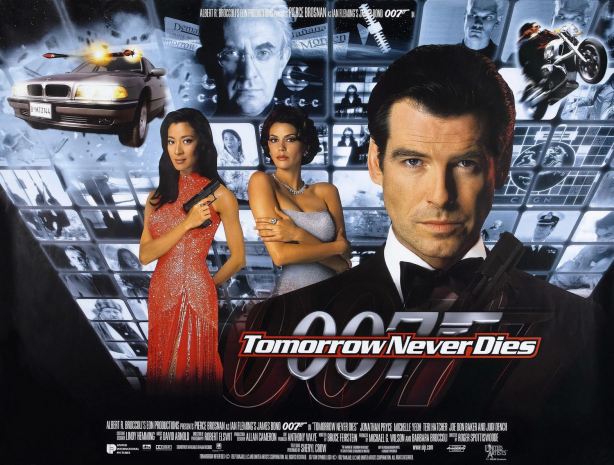
Pierce Brosnan’s sophomore effort suffers slightly from never being quite sure what it wants to be. Michelle Yeoh gets to be dominant and agressive more often than sexy, which is a good match for Bond but isn’t compensated by Teri Hatcher’s flat portrayal of a woman Bond supposedly has a history with. (Of all the women he’s met, he’s coming back to this one?) The pre-credits sequence is a cracker, but the momentum of Goldeneye slowly dissipates after that, and Jonathan Pryce is at the bottom end of the Bond villain scale. There was a great movie to be made exploring tensions between the British and Chinese; this, sadly, isn’t it.
16. The Man With The Golden Gun
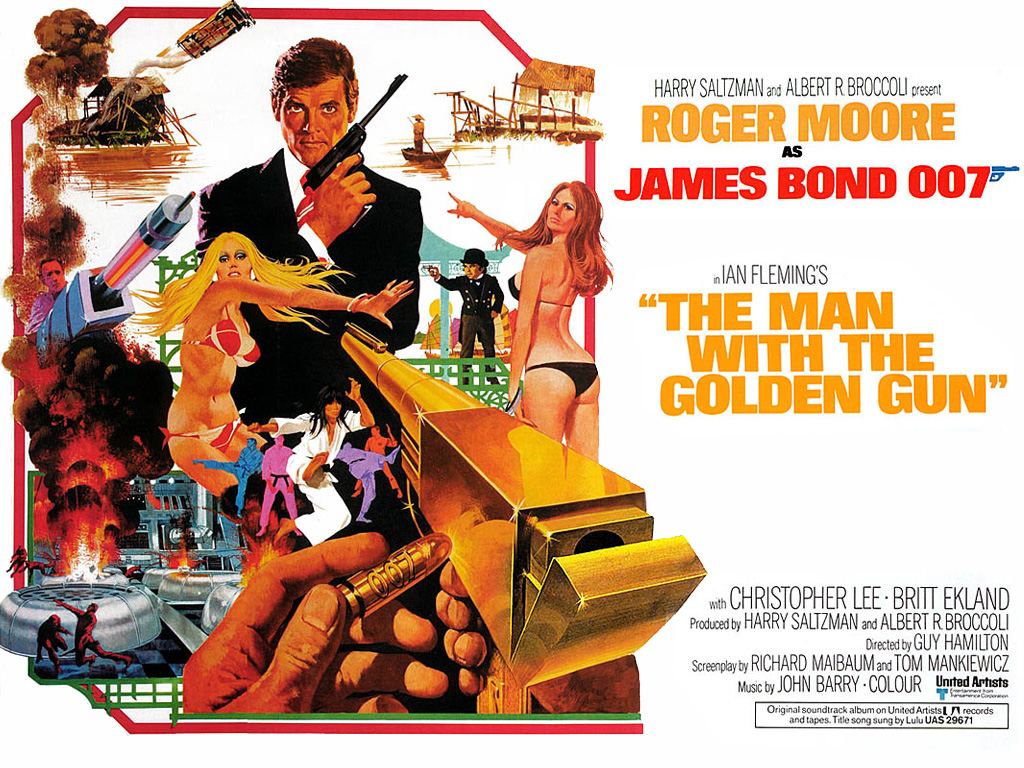
TMWTGG has one thing absolutely in its favour, a class act in the title role in the form of Ian Fleming’s step-cousin, Sir Christopher Lee. Whenever Lee’s on screen, the film instantly becomes more compelling, and it’s a shame he’s a peripheral figure for long stretches. There are other highlights, including (if you put your fingers in your ears) the spectacular bridge gap jump, but the more comedic approach that had started with Diamonds Are Forever really starts to take hold here, bringing back Sheriff J.W. Pepper for even more less comedic effect than in Live And Let Die and also playing the ending for laughs as well. A mixed bag, but by no means the worst Moore film of the series.
15. The World Is Not Enough
It all started so promisingly, with the boat chase along the Thames, Bond’s injury and subsequent cold shoulder from M and the early scenes with Elektra. Then about half way through we catch sight of Robert Carlyle attempting to be threatening from underneath a challenging look, but that’s nothing to the attempts (if you can call them that) to pass off Denise Richards as a nuclear physicist. Add more flailing from a poor decision to bring back Robbie Coltrane’s thickly accented Russian, and the second half of TWINE gets weighed down by its baggage. It was the first seeds of what Bond has become in the last decade, but those seeds were choked back by a few difficult weeds.
14. Quantum Of Solace
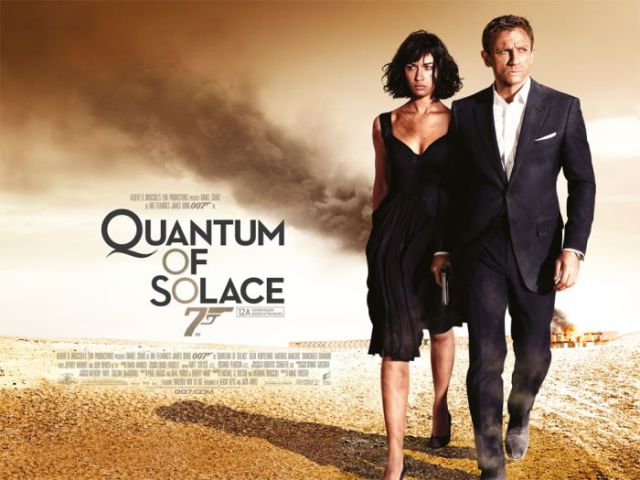
If I’m being completely honest, about 75% of what I love about Quantum Of Solace is Daniel Craig. I was one of the doubters before he first took the role but he’s nailed it so convincingly that even a film of at best middling quality, hamstrung by not enough rewrites from one striking writer and further on-set dabbling, can be elevated significantly by his performance. The first direct sequel of the series, it does make Casino Royale feel like a film of seven acts, as if someone had recognised it had Lord Of The Rings-levels of endings and lopped the last few off into a new film, but between Craig and Judi Dench’s increasing presence in the series as M, QoS does a lot to compensate for some of its more obvious flaws.
13. Licence To Kill
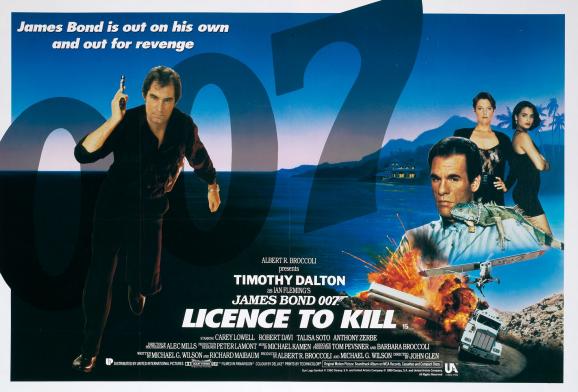
Don’t get me wrong, I love both of Timothy Dalton’s portrayals as Bond, but Licence To Kill is trying far too hard to be a generic American action film rather than a Bond movie – even down to Michael Kamen’s score and some of the desert settings that make it feel oddly like a British Lethal Weapon spin-off – and two weak Bond girls and some uncomfortable lurches in tone do Dalton no favours. It’s a shame this was to be his last entry, but having six years of breathing space actually did Bond a few favours, making this an odd post-script to the first great era of Bond.
12. Dr. No

You can tell I’m a humble blogger and not a practised, literate film critic, when the best description I can come up with of Dr No is “it’s all right”. I’m resolutely whelmed by Sean Connery’s first attempt at the role; it’s got some great moments, from the iconic casino introduction to the cold-blooded bedroom killing, but it never quite takes off, suffering now by comparison to the later films and suffering from hindsight rather than benefitting from it. It does have one of the better villains, and puts a decent number of the regular ingredients in place, but this was a good start, rather than classic Bond.
11. Live And Let Die

The first Roger Moore Bond, and the first to be heavily influenced by other factors in popular culture at the time (other than the general love of spies and secret agents in the Sixties, of course). Moore manages to avoid aping Connery, and Yaphet Kotto manages to overcome the identity shenanigans of the plot to put in a solid baddie. Solid just about sums up Live And Let Die, it’s never truly spectacular in terms of either action or characterisation but never disappoints, as long as your J.W. Pepper tolerance levels are reasonably high. Points also for what remains the best Bond theme to date; even Guns N’ Roses managed a decent cover version of it.
10. On Her Majesty’s Secret Service

Regarded by many as the best Bond, and it would undoubtedly have placed higher on my list if it had featured Sean Connery. Actually, it would have placed higher if it featured anyone who could act. Lazenby, having blagged his way into the role in the first place, does his best but frequently looks out of his depth and also helps contribute to a few saggy sections around the middle. The ending has had an impact on pretty much ever Bond made since, and Diana Rigg is undoubtedly one of, if not the, best Bond girls of all time. Sadly, Telly Savalas doesn’t quite work as Blofeld either, and we’re left with a great film with two holes of varying sizes at its centre, but you can see how it’s inspired the likes of Christopher Nolan on to great things.
9. For Your Eyes Only

The last of the three decent Moore Bonds, it would have been a fitting cap to his years in the role. As it is, FYEO is still an effective Bond movie with more weight to it than you’d expect. That’s undoubtedly down to the strong story and themes of revenge that motivate the characters, and even Lynn-Holly Johnson’s role as the annoying youngster with a crush on James doesn’t manage to unbalance the overall effect. The marked reaction to the spacefaring of Moonraker makes for a more grounded Bond, but there’s still cracking set pieces (especially the assault on the cliff top) and there’s a tension here that’s lacking in most of Moore’s other Bond films.
8. You Only Live Twice

Probably the most spoofed of all the Bond series, with likely the most iconic set of elements outside of Goldfinger. It’s not often that a production designer can become a household name, even if only among movie geeks, but Ken Adam’s work on You Only Live Twice helps to mark it out as one of the most memorable Bonds in a visual sense. The Japanese theme gives a different tone to proceedings and helps to mark time until the final, all out blow-out, the grandness of which even this epic series of films has sometimes found hard to top since. Roald Dahl’s script does recycle a couple of Bond staples and Connery’s not at his best, but these are minor distractions.
7. Goldeneye

For someone who seemed such a natural fit for the role and was connected with it for so long, it’s strange that there’s only one genuinely great Pierce Brosnan Bond film, and one in which he hadn’t totally nailed the demands of the role. Occasionally a little too cheesy, he still manages the required gravitas in more serious scenes and handles the mix of tones well. Where Goldeneye scores bonus points is for the Bond girls, the best in the roles in many years, with Isabella Scorupco’s feisty Russian finding Bond’s heart, and if you don’t enjoy Famke Janssen’s utterly over-the-top performance, you maybe need more joy in your life. (Especially her delivery of the line, “He’s going to derail the train!”) Tina Turner’s pounding title song helps ease the pain of Eric Serra’s excellent but completely inappropriate Bond score, and the fight between Sean Bean’s agent gone bad and Brosnan must rank in the top five fist fights of Bond.
6. The Living Daylights

Stepping in when Pierce suddenly found himself otherwise occupied, Timothy Dalton helps to resurrect the series from the worst excesses of the latter day Moore and gives a polished performance with dark undercurrents as Bond starts to steer back closer to Fleming’s original intent. The Living Daylights makes the most of the changing political landscape of the time, taking a plot based around various factions of Russian military power and bolting it to some superb action sequences, with one of the great car chases of the series and a truly insane stunt hanging out of the back of a cargo plane. Maryam D’Abo’s Bond girl is a bit wet at the best of times, but pretty much every other actor is on top form and director John Glen doesn’t waste the opportunity of finally having some decent material and a good Bond to work with. It’s a crying shame Dalton only got to make two, but at least we have this one to savour.
5. Skyfall

The latest Bond, in a fiftieth anniversary tale that paradoxically draws on the rich history of Bond and attempts to work once again with key elements, but in other ways is keen to put its past behind it and to find its new place in the world order. It’s a strange balancing act to even want to attempt, to be so in love with the past but in need of staying relevant for the future, but somehow Skyfall manages it, for the most part. Javier Bardem is 12A rating threatening, Dame Judi drops the first ever F-bomb of the series (and who’d have thought it would be her) and Bond gets to work closely with both Q and Tanner for the first time, in a surprisingly UK heavy set film. It’s a Bond film that looks gorgeous, is stunningly shot and calmly directed with both a sly wit and a general charm missing from Quantum Of Solace, but that never quite has the action beats to put it among the finest of the series and a plot that follows a recent blockbuster trend of relying too heavily on coincidence. If the remaining Daniel Craig Bonds can couple what’s great here with some of the finer action moments, then there’s still the potential for a best in series in Daniel Craig.
4. Goldfinger

For anyone that’s seen even a good selection of Bond films, the standard to beat is always felt to be Sean Connery’s third outing in the tux, and the first where some of the more outlandish elements of the series first came into play. From Shirley Bassey’s theme song to the Aston Martin DB5, and with the single most famous quote of any Bond film, Goldfinger feels like it should be the best Bond, so it feels somewhat heretical to pick at its flaws. But flaws do exist, not least in the saggy middle that so many Bonds seem to suffer and which also afflicts this one, and from occasionally feeling just a little too far over the top. Connery’s at his laconic best here, often a man of few words and smouldering glances but his reliance on almost supernatural powers of seduction rather than any serious amount of sleuthing leave Goldfinger as the silver standard of Bond movies, rather than the somewhat more appropriately-coloured one.
3. The Spy Who Loved Me

Two days ago, I saw a man outside a cinema pointing at a poster, attempting to encourage his very young son to take an interest in James Bond. I’m not sure Skyfall is the best entry point into the series, but mine was The Spy Who Loved Me and it still works as an excellent introduction, blending together most of the traditional Bond elements and beating just about any other Bond hands down for pure, old fashioned Saturday matinee-style entertainment. When Carly Simon sings “Nobody Does It Better”, it’s hard to disagree, as TSWLM succeeds in marrying You Only Live Twice-style excess to Goldfinger levels of Bond iconography and to make Roger Moore seem stylish and enviable. There’s not a single weak link, although it’s a shame that Jaws’ impact here is retrospectively lessened by his return in Moonraker. (Although when Carly Simon’s next line is, “but sometimes I wish someone could,” do you think she’s still pining for Connery? You’d think this would have cured her of that.)
2. Casino Royale

An all new Bond for a new era, and for the most part a Bond that wasn’t afraid to take chances. Martin Campbell might have returned to the director’s chair again after Goldeneye, but the reinvigoration he performed there is nothing compared to the kick up the backside the series gets here. Craig’s Bond can be brutal, almost thuggish at times, but also has the effortless charm of the best of his contemporaries, and in his pairing with Eva Green’s Vesper Lynd one of the greatest pairings of the series. Bond is damaged goods, and despite being a reboot of sorts (but still with Dame Judi in the top chair) Casino Royale wastes no time in damaging him a bit more. The swap to poker for the central card game works in the context of the film and the modern setting, as do so many of the other choices, the only real failing being a lumpen story structure that feels like it’s carrying an unwanted epilogue. Mads Mikkelsen’s ocularly challenged baddie threatens but never dominates, but the blend of all the elements – especially a number of truly breathtaking action sequences – is pretty much spot on.
1. From Russia With Love

If Goldfinger has turned out to be the stereotype that much of the series followed, and Dr. No remains the prototype, then sandwiched between them and often unfairly overlooked is the archetype for the Bond series. It’s as close as the Bond formula has ever come to being perfected, from the SPECTRE training base and the first glimpses of Blofeld to the stunning train face-off between Bond and Red Grant. Everything is as you’d want it in a Bond film without being taken to excess, and a number of series firsts (including Desmond Llewellyn’s first outing as the quartermaster and Matt Munro’s first song with the title of the film in it) helping to make the Bond formula that still exists today. The recent Bonds have steered closer and closer to this template without ever successfully emulating it, and if only Skyfall had been this successful at both plotting and also a triple whammy of an action finale that just doesn’t let up. The cool, calculating charm that attracts women and makes men just a little bit jealous is all rooted in Russia, and it’s the Bond film I love the most.
Alan Hansen’s Birthday Reviews

Astonishingly, against all the odds and defying all expectations, The Movie Evangelist turned two yesterday. Yes, you’ve been reading my ramblings, my rantings and my awful addiction to alliteration for two whole years now, and as with any exercise it’s good to get a progress report. Somehow it didn’t feel that anyone in the world of film was sufficiently impartial to be able to give an honest appraisal, so I thought I’d ask someone who was more of an idol from my childhood to cast an opinion on what I’ve been up to this year.
Sadly, most of my childhood idols were both unavailable and fictional characters, and much as I’d have liked Chorlton (from Chorlton and the Wheelies) or KITT (from Knight Rider, obvs) to pass judgement on the current state of my blogging, I felt it was better to have someone real to give a view on my personal witterings. As a Liverpool FC fan, the footballer I admired most was Ian Rush, and had I actually been any good at sport of any kind I would’ve loved to follow in his footsteps. But in terms of critical analysis, the benchmark these days is Alan Hansen, doyen of the Match Of The Day commentary team and bringing the same kind of no-nonsense approach to analysis as he did to central defence for Partick Thistle, Liverpool and Scotland for nearly twenty years. So Alan has had his image stolen by me and used without his permission so I hope he doesn’t sue me kindly given his forthright opinions on some of the highlights and lowlights of the past year of The Movie Evangelist.
BlogalongaMuppets The highlight of the past year was my shameless rip-off of BlogalongaBond, where I cajoled and inspired four other valiant and faithful bloggers to watch all seven of the theatrically released Muppet films. As far as I am aware, no one watched any Muppet Babies. Probably for the best.
 Alan Hansen says: Poor, poor effort from the big man. He’s played a flat back five but there’s an obvious flaw in his defence, that most of them didn’t actually like half of the Muppet films. Not only that, but he’s got way behind on BlogalongaBond in the process, he’s not managed to get involved in BlogalongaPotter and his plans for BlogalongaTrek later in the year looked doomed to failure. You can’t win anything with Muppets.
Festival coverage I’ve managed to put myself about a bit in the past year, with a trip to London for the Sci-Fi London film festival last May to see Super, racking up twenty seven films at the Cambridge Film Festival last year and an extended weekend at Empire Presents: BIG SCREEN at the O2 in August.
Alan Hansen says: Shocking, absolutely shocking. He’s ended up with a serious neck injury at BIG SCREEN and he’s over-extended himself in Cambridge, not getting reviews up for half his films. Not only that, but he’s missed out the London Film Festival completely, and you’ve got to be up there playing the big boys if you expect to be top of the table at the end of the season. He’s going to have to have a better passing game if he’s going to make it work.
Wreckers Before The Movie Evangelist came to be there was a film made in the village where I live, which turned out to have Benedict Cumberbatch and Claire Foy in it. Fancy that.
Alan Hansen says: Frankly diabolical, he’s living and breathing films yet he’s played up and let Cumberbatch beat the offside trap, not even realising he was in the film until after it had finished filming. He’s tried to make a recovery with a review and an article about the film, but then he’s actually grabbed an interview with the director and it’s taken four months to get the interview written down. He’s got to step up his game the next time he’s given that kind of opportunity.
Review Of The Year As well as a regular supply of reviews, Christmas and the New Year saw a selection of top lists of 2011, including Scenes, Performances and even Gingers, and the traditional (two years is a tradition, right?) Top 40 of the year.
Alan Hansen says: Unbelievable, he’s pulled out the big guns in an effort to cover up the fact that he’s already seen 40 films this year and he’s only managed to review 14 of them. He’s also popped up at an Ultra Culture Cinema event and his review was very niche. I don’t think anyone enjoyed it, apart from the people who read it. I’ve seen non-league teams in their pyjamas who’ve put in more effort.
General posts And in addition to all of the above, I’ve done everything from write some spectacularly awful poetry to trying to encourage other people to watching 100 films in the cinema in a year.
Alan Hansen says: Outstanding, frankly inspirational. Reminded me of the great Liverpool sides of the Seventies, but I’m not talking about the big ginger one here, rather Martin Chorley. Martin’s stepped up and accepted the challenge to see 100 films this year, and he’s even put in some graphs. If the Movie Evangelist is going to be thought of alongside the great Brazilians of years gone by, he could learn a thing or two from Martin.
Well, thanks for that Alan, I can only hope that the third year of The Movie Evangelist lives up to your high expectations. Sick as a parrot.
Wreckers: An Interview With Dictynna Hood
 You might recall an article I wrote last year about a film that had been made in my own village last year, called Wreckers, starring Claire Foy and Benedict Cumberbatch. I wrote a review, as well as a piece on how I was Sir Not-Appearing-In-This-Film, long before this blog was a glint in the milkman’s eye, but I also took the opportunity to conduct an interview with the writer and director, Dictynna Hood.
The interview took place at a local tea shop, where we had some delightful tea and scones, and I recorded a forty minute interview on my iPhone, which came out surprisingly well. Typing it back now has been a strange experience – particularly listening to the clanking and bustling going on in the rest of the tea shop – and Dictynna was a very open and friendly interviewee for my first such attempt, for which I must say a big thank you. We covered a wide variety of topics, everything from the films of Michael Haneke to Doctor Who, but it’s the cinematic impact and benefits that I’m most interested in, so what’s here are my questions specifically around that subject, and the film in general.
The film is showing tonight and tomorrow night (24th / 25th April) at the Cambridge Arts Picturehouse, and tonight there will be an opportunity to ask Dictynna your own questions. Hopefully if you’re in the area you’ll be able to make it, and enjoy both the film and the Q & A as much as I did.
When you set out to make Wreckers, was the intention to get it into cinemas or was it just an extension of the short films you’d made previously?
I was definitely thinking of it for cinemas, knowing that we’re selling to the BBC and abroad it will also be mainly TV sales, but we definitely wanted the cinema release. Claire Foy is also very filmic; she has this quality that you can just watch her. She does a lot of watching, not speaking, in the film and I think holds the screen fantastically, which is one of the reasons it’s gone into the cinema. In the cinema, you can also see the subtlety of the performances more clearly, which gets lost a little on TV when you’re more focused on the plot.
What was it that decided you to set it in a village specifically? Was it more plot driven or was it about the film economics?
A little of both, really. It’s very contained, and while there’s a budgetary reason for that people have mentioned at Q & As that they saw that containment as a blessing. There were a lot of people who helped with the production of the film who’ve ended up being cut; nothing to do with them or their performance, but that was all to do with keeping that contained feeling. The village in the film isn’t a literal reflection of the real village itself, or the village I grew up in, but it’s important that there’s that small space with a very large area around it.
I had a fascination with the Fens for a long time; I also had a look at the West Country, and took a lot of pictures, but it somehow didn’t feel right. I had a book of Fenland stories which was inspirational. I was looking for a village that wasn’t too twee or precious. A friend suggested looking in the Isleham area, and when I went to the village I found the church open and the layout of the village was immediately appealing. I’d also looked at Norfolk, but the extreme landscape on the Fens was just so appealing.
I understand you studied in Cambridge; was that where the love affair with the area came from originally?
No, I think it actually came from the book of stories originally, but it wasn’t something that it particularly occurred from my studying. I’d been on a biking holiday with my sister on the Fens when I was younger, but it didn’t capture me then, only later. I’d still love to do more filming in the area in the future, possibly getting on the water, or exploring the farming and the legends. I do think it’s one of the most extreme landscapes in the UK, and it gets away from all the murder mystery and period drama feel that you normally associate with the countryside.
Although I live in the village, I wasn’t aware of who you had in the film until after you’d finished filming. How did you put a cast like that together?
We cast them because we thought they were a cracking cast; as it turns out, everyone else seems to have thought that as well! They were fantastic, and obviously that has helped the film enormously. Their profile has increased since we filmed, and we were very lucky to get them all, especially given how especially Benedict’s profile has soared since. He makes David’s character very ambiguous, with a more straightforward performance the film would have taken a very different turn, and potentially been less interesting for it.
Reading interviews with him, he seems to be in it very much for the craft rather than the attention. How did he come across when filming?
My impression is that he loves to work, and that’s why he did the film, as he had a gap in his schedule. I read in one of his interviews that he wanted to follow the James McAvoy path, mixing blockbusters with films like this, but his schedule actually made finishing the film rather complicated.
When did you actually film? Was it a couple of years ago?
It was 2009, and it’s actually turned out to be a real help that it’s taken a while to put together, in terms of the profile of the cast and where they are now, but at the time it didn’t it didn’t feel like that, it felt like, “why can’t we just finish this bloody thing!”
I need to be careful, I’m technically a PG blog!
But no, everything about it felt wonderful in the end, for such a small production.
How do you go about getting a film into something like the London Film Festival [the film played at LFF in 2011]? Is it a fairly lengthy, tortuous process?
When we showed it to our cast and crew on a big screen for the first time we realised the film had a real pull in the cinema. Then we hosted a couple of screenings for industry folks and got Artificial Eye our distributor on board at that point which no doubt helped. We invited one of the programmers for the London Film Festival to an industry screening, it’s certainly better if a programmer can see your film big screen.
Do you think that British film is becoming confined to the festivals? It seems harder to get distribution for British films these days.
We had very realistic expectations for our film and it’s already gone beyond those expectations. I saw a lot of bold films at the London Film Festival which probably won’t get a release, but I’m not sure what the answer is; maybe more the French style of distribution. There’s a lot more film clubs in villages these days, which does open up more opportunities for folks to see films on the big screen. From a filmmaker’s perspective it does help enormously if you can cast people more recognisable to a wider audience, but it’s a shame if you have to do that at all times.
Has Wreckers turned out pretty much how you imagined it?
We realised on day three that we couldn’t shoot our storyboard, so we had to work out quickly how to capture the feeling we were after, happily we’d had a lot of discussion during pre-production about the grammar and the atmosphere of the film and how to maintain that even if shooting not exactly as planned. Even if you’re Hitchcock or Kubrick, as soon as you cast it the film becomes something different, as actors embody the characters and make them their own. The key as a director is to hold on to the core ideas and the core feeling of the film and to create around that. It’s was Annemarie’s [Lean-Vercoe,director of photography] first or second feature, and I couldn’t have done it without her, but all of the crew were magnificent.
What’s next for you, now that Wreckers has been a success and gotten into cinemas?
I’m exploring what to do next; we’ve got a story about a big family gathering where the parents are ageing hippies, and we’ve got a wonderfully twisted rom-com. I want to get on and direct more, but you have to make sure that the script is a match, and I guess the joy of writing is that you know your script is a match! [laughs]
Dictynna Hood, thank you very much.
Wreckers is also available on DVD now from all good stockists.
Why You Should See 100 Films In A Cinema This Year
So, three weeks into January. Still keeping to those New Year’s resolutions, or have they all fallen by the wayside now? Just like last year and the year before, I’m sure. Setting up unrealistic expectations at the start of the year and then failing to keep to them is a national tradition, and by the beginning of February, chances are that you’ll have even forgotten what it was that you were trying to achieve. All those grand plans to change the world, or at least your waistline, will have gone out of the window for another year and nothing will really change. So how about a resolution that isn’t just for January, is guaranteed to expand your horizons and might just change your life?
Then my recommendation for you is to watch 100 films in a cinema. This year. It might already be past the middle of January, but there’s still plenty of time to get in a century of films before people start singing Auld Lang Syne, and it might be easier than you think. But why 100? Why a year? (If you’re next question is “why films?” or “why in a cinema?” then you’re probably reading the wrong blog, given that my whole point is to try to encourage you to watch films in a cinema.) In terms of a goal, I’ve already suggested a short term target, that you can, if you put your mind to it, watch seven films in one day. But this is the cinematic equivalent of running the 100 metres, and not everyone can cover that distance in ten seconds. So consider this to be your marathon rather than your sprint, and if you put your mind to it, there’s no reason why you can’t be celebrating a cinematic ton by the end of the year.
The other thing it’s worth doing, and this applies to any resolution setting, is to make sure that you’ve set yourself a SMART goal. Now, SMART goals might be taken from the school of business thinking commonly known as Management Bollocks™ but bear with me; these things have prominence in businesses for a reason, mainly that they do actually work. A SMART goal, if you’ve not come across them before, is Specific, Measurable, Achievable, Realistic and Time-Bound. Seeing 100 films in a cinema in a calendar year is actually all of the above, so allow me to share with you the how, what, where, when and why you should give this challenge a go.
- ← Previous
- 1
- 2
- 3
- 4
- Next →
 The Movie Evangelist